


Introduction to Nepal Tourist Visa
Nepal is a beautiful and welcoming country, but like most nations, all foreign visitors need a visa to enter legally. A tourist visa allows you to explore Nepal’s cultural sites, natural wonders, trekking routes, and adventure activities while staying within the permitted duration. Without a valid visa, entry is not allowed, and overstaying can lead to fines.
This guide is for all international travelers planning a trip to Nepal, including families, solo travelers, couples, senior citizens, and adventure seekers. Whether you are visiting Kathmandu, Pokhara, Chitwan, or trekking in the Himalayas, understanding visa requirements is essential before you start your journey.
Visa regulations in Nepal may change based on government policies or global situations. It is important to check the official Nepal Immigration website or consult your local Nepalese embassy before traveling. This guide provides the latest information to help you plan, but always confirm details before departure.
Do Tourists Need a Visa to Visit Nepal?
Nepal welcomes travelers from all over the world, but a valid visa is required for most foreign visitors. A tourist visa ensures that your stay is legal and allows you to explore the country’s cultural, natural, and adventure attractions safely. Depending on your nationality, you may be able to obtain a visa on arrival at airports and land borders, or you might need to apply in advance at a Nepalese embassy or consulate.
Countries That Require a Nepal Tourist Visa
Most international travelers need a tourist visa to enter Nepal. Citizens of countries outside of India, Bhutan, and certain SAARC nations must obtain a visa before arrival or through the visa-on-arrival system. This visa permits stays for 15, 30, or 90 days depending on the duration you choose. It is important to check your eligibility before traveling and ensure your passport is valid for at least six months.
Countries Eligible for Visa on Arrival
Many nationalities are eligible to receive a tourist visa on arrival at Tribhuvan International Airport in Kathmandu or at major land border crossings. This makes it convenient for travelers who did not apply in advance. While the visa on arrival process is simple, it is recommended to carry a passport-sized photo, a completed form, and payment in US dollars or local currency.
Countries Not Eligible for Visa on Arrival
Some travelers cannot obtain a visa on arrival due to their nationality or diplomatic restrictions. These travelers must apply in advance at a Nepalese embassy or consulate before traveling. It is crucial to verify restrictions with the official Nepal Immigration website or your nearest embassy to avoid issues at the border.
Types of Tourist Visas for Nepal
Nepal offers several types of tourist visas depending on the length of your stay. Travelers can choose a 15-day, 30-day, or 90-day visa based on their itinerary, travel plans, and activities. Each visa type has specific validity and is suitable for different types of travelers.
15-Day Tourist Visa
The 15-day tourist visa is ideal for travelers on a short visit, such as those exploring Kathmandu, Pokhara, or nearby cultural and city attractions. This visa is valid for 15 days from the date of entry and is best for tourists who want a quick tour of Nepal without trekking or extended travel.
30-Day Tourist Visa
The 30-day tourist visa is the most popular option. It allows travelers to explore multiple regions of Nepal, including cultural tours, short treks, wildlife safaris, and city sightseeing. The visa is valid for 30 days from the date of entry and is suitable for first-time visitors who want a standard-length trip covering major destinations.
90-Day Tourist Visa
The 90-day tourist visa is designed for travelers who plan a long stay or extensive exploration of Nepal. This visa allows visits to remote trekking regions, multiple national parks, and cultural circuits. It is valid for 90 days from the date of entry and is best for long-term travelers, adventure seekers, or those combining tourism with study or volunteering.
Nepal Tourist Visa on Arrival
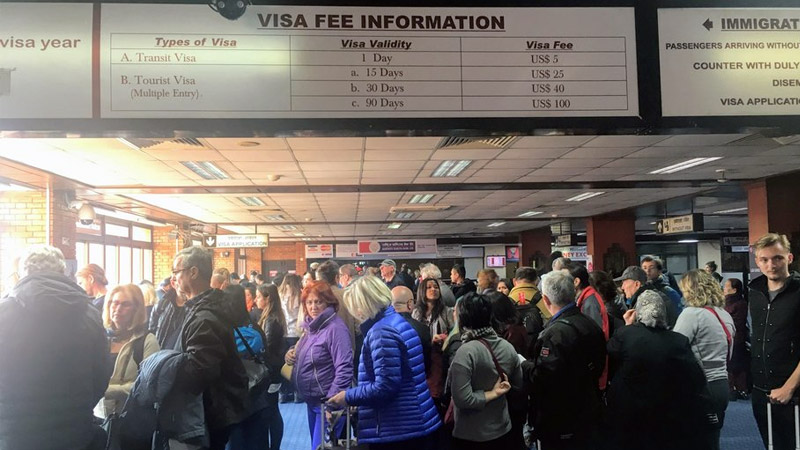
For many travelers, the easiest way to get a Nepal tourist visa is through visa on arrival, available at the main airport and select land border crossings. This process is quick and convenient, allowing tourists to start their journey without applying in advance.
Where You Can Get Visa on Arrival
-
Tribhuvan International Airport, Kathmandu: The main entry point for international travelers. Visa counters are available in the arrivals hall.
-
Major Land Border Crossings: Visa on arrival is also available at key border points, including those with India and China. Travelers entering by land should confirm which border points offer visa services before their trip.
Step-by-Step Visa on Arrival Process
-
Online Form: Complete the Nepal visa application form online or at the arrival counter before submission.
-
Payment: Pay the visa fee in US dollars or Nepalese rupees, as per the visa type. Cash is preferred at land borders.
-
Immigration Counter: Submit your documents and payment at the immigration counter. Your passport will be stamped, granting you legal entry.
Required Documents for Visa on Arrival
-
Passport Validity: Your passport must be valid for at least six months from the date of entry.
-
Photos: A recent passport-sized photograph (usually 2 inches x 2 inches) is required.
-
Payment Method: Visa fees are typically paid in cash (USD or NPR), though some counters accept credit cards at the airport.
Nepal Tourist Visa Fees
Tourists visiting Nepal must pay a visa fee based on the duration of their stay. The fees are straightforward and can be paid in cash or, in some cases, by card. Understanding the costs beforehand helps you plan your trip better.
Tourist Visa Cost by Duration
-
15 Days: Approximately USD 30 (or equivalent in NPR). Ideal for short city or cultural tours.
-
30 Days: Approximately USD 50 (or equivalent in NPR). Most popular for standard-length tours covering multiple regions.
-
90 Days: Approximately USD 125 (or equivalent in NPR). Suitable for long-term travelers or extended adventures.
Accepted Payment Methods
-
Cash: US dollars or Nepalese rupees are widely accepted at the airport and major land borders.
-
Cards: Some counters at Tribhuvan International Airport accept credit/debit cards, but it is recommended to carry cash as a backup, especially at land borders.
Visa Fee Refund Policy
-
Visa fees are non-refundable once issued.
-
If your application is denied, the fee may be refundable depending on the specific circumstances and immigration rules.
-
Always double-check your visa duration and documents before submission to avoid unnecessary costs.
Applying for a Nepal Tourist Visa in Advance
While many travelers use the visa on arrival, some visitors may need or prefer to apply for a Nepal tourist visa in advance, especially if their nationality is not eligible for on-arrival visas or if they want to plan ahead for a long trip.
Nepal Embassy or Consulate Application
Travelers who cannot obtain a visa on arrival must apply at a Nepalese embassy or consulate in their home country. The process typically involves submitting your passport, completed application forms, photographs, and payment of the visa fee. Applying through the embassy ensures that your visa is ready before you travel, making entry smoother.
Online Visa Application Form
Nepal also allows travelers to fill out a visa application form online before arrival.
How early you can apply: It is recommended to complete the online application at least 2–4 weeks before your trip, giving ample time to process the visa.
Common mistakes to avoid:
-
Incorrect passport details or spelling errors
-
Uploading unclear or incorrect photographs
-
Choosing the wrong visa duration
-
Not double-checking your entry date
Completing the online application carefully can save time at the airport and reduce the risk of delays during your entry process.
Nepal Tourist Visa Extension
If you plan to stay in Nepal longer than your initial visa duration, it is possible to extend your tourist visa at authorized offices. Knowing the rules and costs in advance can help avoid fines and ensure a smooth stay.
When and Where to Extend Your Visa
Tourists can extend their visa before it expires at the Department of Immigration offices, mainly located in Kathmandu. Extensions are typically processed during normal office hours, and it is recommended to apply at least a few days before your visa expires to avoid penalties.
Cost of Visa Extension
The cost of extending your visa depends on the number of additional days you request. Fees are generally pro-rated based on the original visa type, and payments are accepted in US dollars or Nepalese rupees. It is best to confirm the current rates at the immigration office or on the official Nepal Immigration website.
Maximum Stay Allowed on a Tourist Visa
Tourists can stay in Nepal for a maximum of 150 days per calendar year on a tourist visa. This total includes the initial visa and any extensions. Staying beyond this limit may result in fines or restrictions on future travel to Nepal.
Special Visa Rules and Important Notes
Nepal has some special visa rules for certain nationalities and situations. Understanding these rules ensures a smooth travel experience and helps avoid fines or complications.
Visa Rules for Indian Nationals
Indian citizens do not need a visa to enter Nepal. They can enter with either a valid passport or a government-issued photo ID. Indians enjoy unrestricted travel within Nepal, but it is recommended to carry identification at all times while touring.
Visa Rules for SAARC Countries
Citizens of SAARC countries (Afghanistan, Bangladesh, Bhutan, India, Maldives, Pakistan, and Sri Lanka) have special entry arrangements. Many of these nationals can obtain visa on arrival with simplified procedures, and the fees may be lower than those for other foreign travelers. Always check with the Nepalese embassy or immigration office before traveling.
Overstaying Your Visa in Nepal
Overstaying a tourist visa in Nepal can result in fines and penalties. The fines are typically calculated per day beyond the authorized stay and can increase if the overstay is extended. In serious cases, overstaying may also impact future visa approvals or entry to Nepal. It is strongly recommended to monitor your visa expiry and apply for extensions if needed.
Can You Travel Around Nepal on a Tourist Visa?
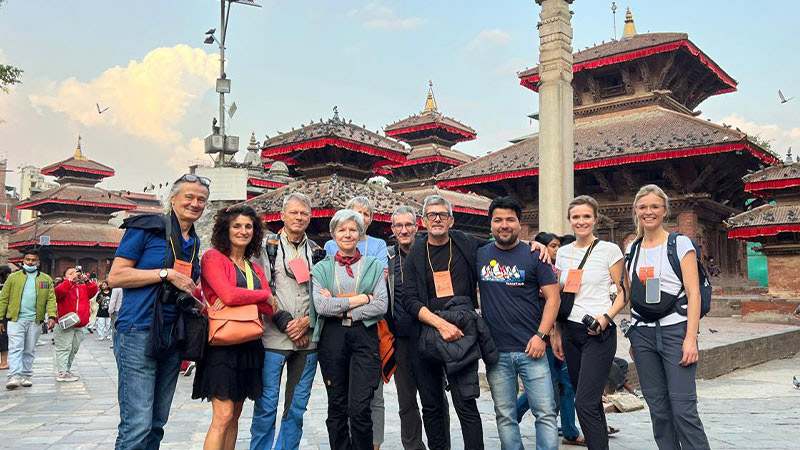
A Nepal tourist visa allows visitors to explore most of the country, but there are some rules about permitted activities and restricted areas. Understanding these will help you plan your trip safely and legally.
Permitted Tourist Activities
Tourists on a Nepal visa are allowed to:
-
Sightseeing: Visit cultural, historical, and religious sites across the country, including Kathmandu, Patan, Bhaktapur, Pokhara, and Lumbini.
-
Tours: Join guided or private tours such as city tours, wildlife safaris, and short adventure activities without additional permits.
Restricted Areas and Permits
Certain regions of Nepal require special permits or additional documentation:
-
Trekking Permits: Popular trekking areas like the Annapurna, Everest, and Langtang regions require a trekking permit in addition to your tourist visa.
-
Special Area Permits: Some remote or protected areas, including national parks and conservation zones, require extra permits that are issued by local authorities or the Department of Immigration.
It is important to obtain the required permits in advance to avoid fines or restricted access during your tour.
Common Mistakes Tourists Make With Nepal Visa
Many travelers encounter issues when visiting Nepal because of small but important visa mistakes. Being aware of these common errors can save time, money, and stress during your trip.
Incorrect Visa Duration
Choosing the wrong visa duration is a frequent mistake. Some travelers underestimate the length of their trip and select a shorter visa than needed, which may require an extension mid-trip. Always plan your itinerary and choose a visa that covers the entire stay, including extra days for unexpected delays.
Passport Validity Issues
A valid passport is essential for entry into Nepal. Many tourists face issues because their passport is not valid for at least six months from the date of entry. Check your passport well in advance to ensure it meets the requirements.
Overstay Problems
Overstaying a tourist visa can result in fines and penalties, which increase the longer you stay past your allowed duration. Serious overstays may also affect future visa applications. Always monitor your visa expiry and apply for an extension if you plan to stay longer.
Nepal Visa Tips for a Smooth Tour Experience
Planning ahead and understanding the visa process can make your trip to Nepal seamless. These tips help travelers avoid common issues and enjoy a stress-free tour.
Best Visa Duration for Tours
Choose a visa duration that matches your travel plans. For short city tours, a 15-day visa is usually sufficient. For standard multi-city tours or short trekking trips, a 30-day visa works best. If you plan a long adventure, trekking, or cultural exploration, the 90-day visa ensures you won’t need frequent extensions.
Travel Season Considerations
Visa planning can also depend on the travel season. During peak tourist seasons like spring and autumn, immigration counters at airports and border crossings may be busier. Applying for a longer visa in advance or planning your arrival during off-peak hours can save time.
Border Crossing Tips
-
Carry a valid passport, photos, and cash for visa fees.
-
At land borders, check whether visa on arrival is available and confirm accepted payment methods.
-
Always retain your visa receipt as it may be needed when leaving Nepal.
Following these tips will help you avoid delays and enjoy a smooth start to your Nepal tour.
How Visa Duration Affects Your Tour in Nepal
The length of your tourist visa can influence the type of experiences you can enjoy in Nepal. Choosing the right visa duration ensures that you can complete your planned itinerary without needing frequent extensions or rushing your trip.
Short Tours in Nepal
For visitors with a 15-day visa, short tours focusing on Kathmandu, Pokhara, and nearby cultural sites are ideal. These tours are perfect for travelers who want a quick introduction to Nepal, including city sightseeing, short day trips, and limited adventure activities.
Standard Nepal Tour Packages
A 30-day visa is suitable for standard tour packages that cover multiple regions of Nepal. This allows travelers to combine cultural tours, short treks, wildlife safaris, and city explorations. Standard packages are perfect for first-time visitors seeking a balanced experience of Nepal’s cities, nature, and culture.
Long Stay and Customized Tours
Visitors with a 90-day visa have the flexibility to plan extended or customized tours. This includes longer trekking routes, in-depth exploration of remote regions, volunteering programs, or multi-destination cultural tours. Long-stay visas provide the freedom to travel at a relaxed pace without worrying about visa expiration.
Frequently Asked Questions About Nepal Tourist Visa
Travelers often have questions about Nepal visas. Here are the answers to the most common queries to help you plan your trip.
Can I Change Visa Type After Arrival?
No, once you arrive in Nepal, you cannot change your visa type. For example, if you enter on a 15-day tourist visa, you cannot convert it into a 30-day or 90-day visa without leaving the country and applying again. Always choose the correct visa duration before arriving.
Is Nepal Visa Multiple Entry?
Tourist visas for Nepal are single-entry only. If you leave Nepal during your visa validity, you will need to apply for a new visa upon re-entry. Plan your travel to avoid unnecessary border crossings.
Do Children Need a Separate Visa?
Yes, all children, regardless of age, require a separate tourist visa to enter Nepal. Each child’s passport must also be valid for at least six months from the date of entry.
Can I Work in Nepal on a Tourist Visa?
No, a tourist visa does not allow employment or business activities in Nepal. Working on a tourist visa is illegal and may result in fines, visa cancellation, or deportation. Travelers planning to work or volunteer should apply for the appropriate visa type in advance.
Conclusion
Planning your Nepal tourist visa in advance ensures a smooth and enjoyable trip. By understanding visa types, duration, costs, and special rules, you can focus on exploring the beauty and culture of Nepal without unnecessary stress.
Final Tips for Nepal Tourist Visa
-
Plan your visa duration carefully: Match your visa length to your travel itinerary to avoid extensions or overstays.
-
Check your passport validity: Ensure your passport is valid for at least six months from your arrival date.
-
Keep documents ready: Carry your visa receipt, passport, and photos at all times while traveling.
-
Consult official sources: Visa rules may change, so always verify with the Nepal Immigration website or your local Nepalese embassy before departure.
Reassurance: Following these tips will help you enjoy a hassle-free entry and stay in Nepal.
Ready to plan your perfect Nepal tour? Explore our Tour in Nepal packages and start your adventure today!


