Why Choose Pilgrimage and Spiritual Tours in Nepal
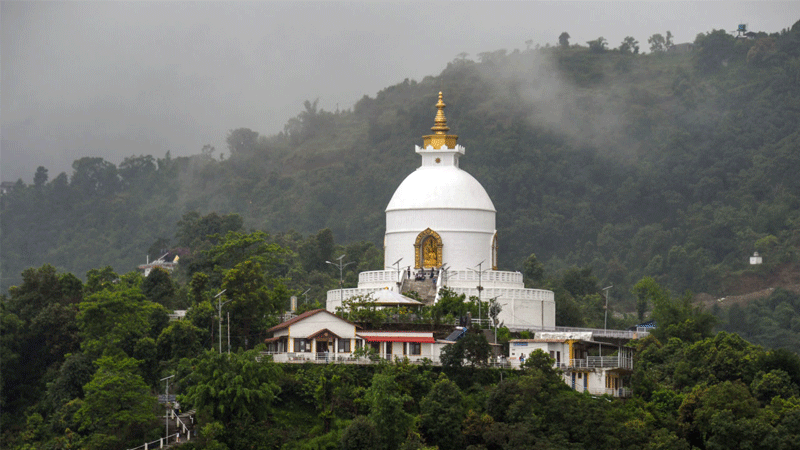
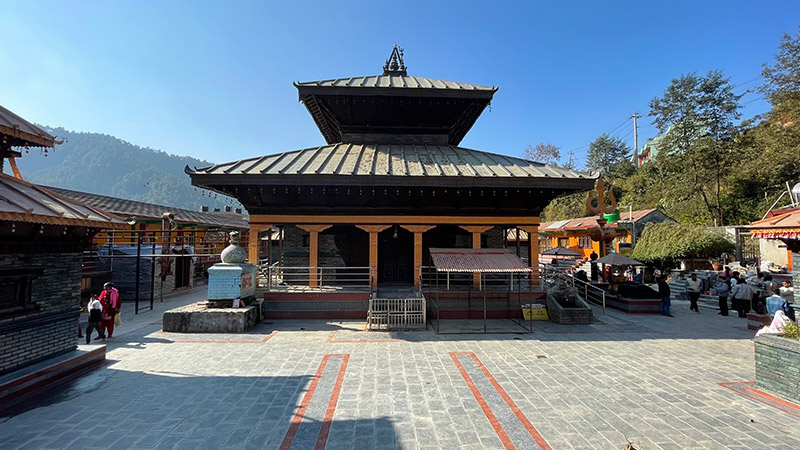
Nepal is a land where spirituality and culture are deeply intertwined, making it one of the most sought-after destinations for pilgrims and spiritual travelers. Its rich spiritual heritage spans centuries, with temples, monasteries, stupas, and sacred rivers that reflect the profound religious traditions of Hinduism and Buddhism. Embarking on a pilgrimage tour in Nepal allows travelers to experience this heritage firsthand, connecting with the sacred energy and devotion that permeates the country.
Accessibility is another reason Nepal stands out as a pilgrimage destination. Major religious sites like Pashupatinath Temple, Boudhanath Stupa, and Lumbini are well-connected by roads and air, making it easier for pilgrims to explore multiple locations within a short span of time. The country’s compact size ensures that spiritual travelers can experience diverse religious practices, rituals, and sacred landscapes without long and exhausting journeys.
Unique experiences await every visitor. From witnessing vibrant festivals and participating in age-old rituals to exploring local monasteries and interacting with devoted monks, spiritual tours in Nepal offer cultural immersion that goes beyond sightseeing. These tours are designed to be safe, organized, and guided, ensuring that pilgrims can focus on their spiritual journey with peace of mind.
Benefits of Pilgrimage and Spiritual Tours in Nepal:
- Expert local guides to explain religious significance
- Serene locations for meditation and reflection
- Cultural immersion through rituals and festivals
- Comfortable travel and well-planned itineraries
Nepal truly offers a transformative experience, combining spiritual discovery, cultural richness, and serene landscapes in one memorable journey.
Popular Pilgrimage Destinations in Nepal
Nepal is a treasure trove of sacred sites, offering pilgrims and spiritual travelers countless opportunities to explore devotion, culture, and history. A pilgrimage tour in Nepal can take you to both Hindu and Buddhist landmarks, each with unique spiritual significance.
Hindu Pilgrimage Sites
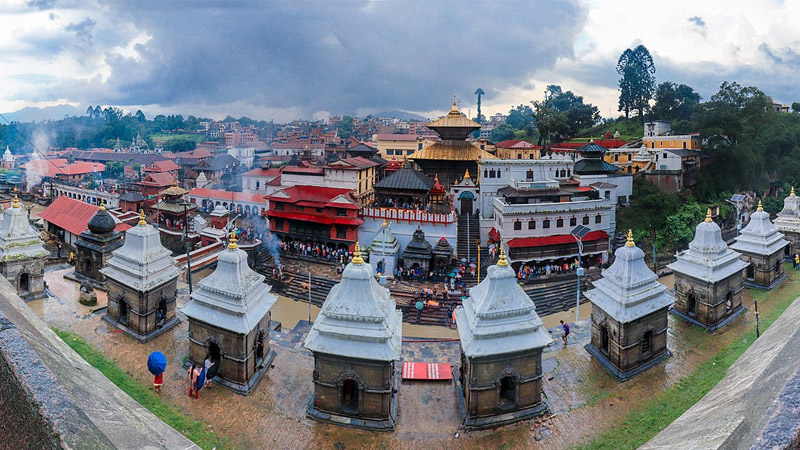
- Pashupatinath Temple: One of the most sacred Hindu temples in the world, dedicated to Lord Shiva. Best visited during Maha Shivaratri for its grand festivities.
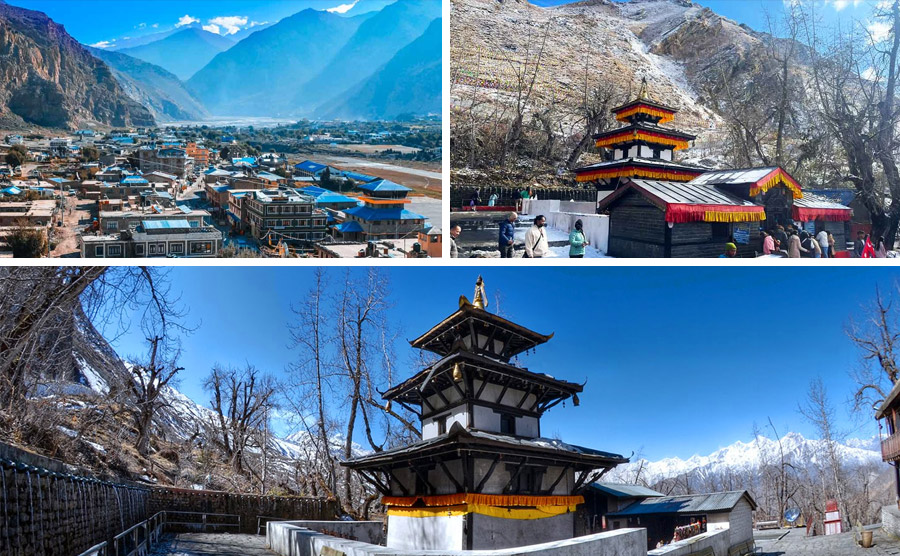
- Muktinath Temple: Located in Mustang, it symbolizes liberation and peace. Pilgrims often visit for blessings and ritual bathing.
- Kailashnath Mahadev Statue: The world’s tallest Shiva statue in Sanga, Bhaktapur, offering a serene environment for reflection.
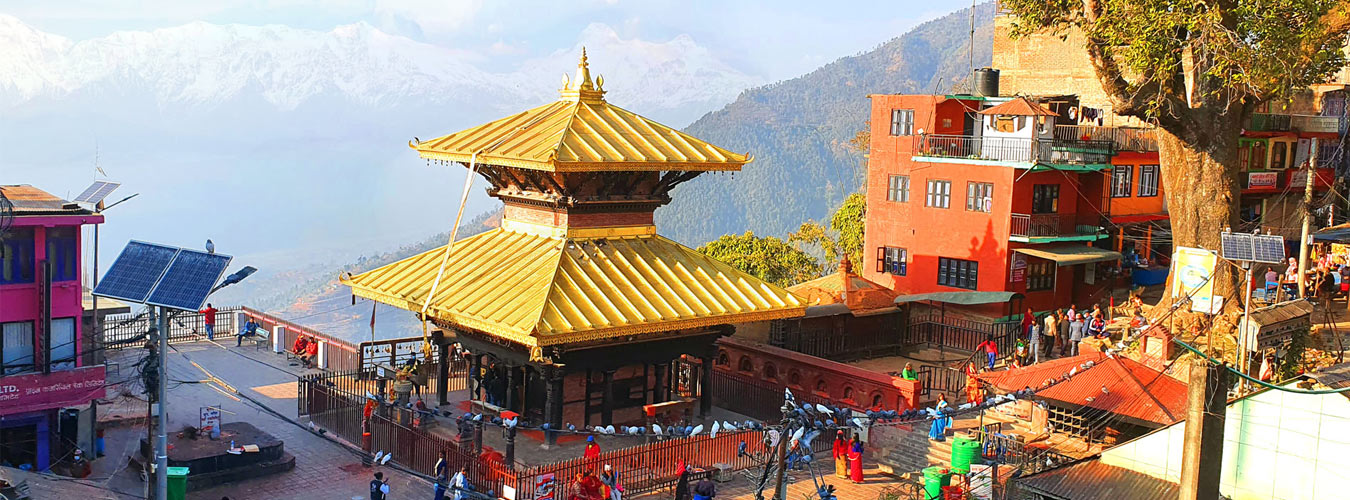
- Manakamana Temple: Famous for granting devotees’ wishes, accessible via a scenic cable car ride.
- Dakshinkali Temple: A temple devoted to Goddess Kali, known for its vibrant animal sacrifice rituals during major festivals.
- Doleshwar Mahadev Temple: Considered one of the oldest Shiva shrines, revered for its historical and spiritual value.
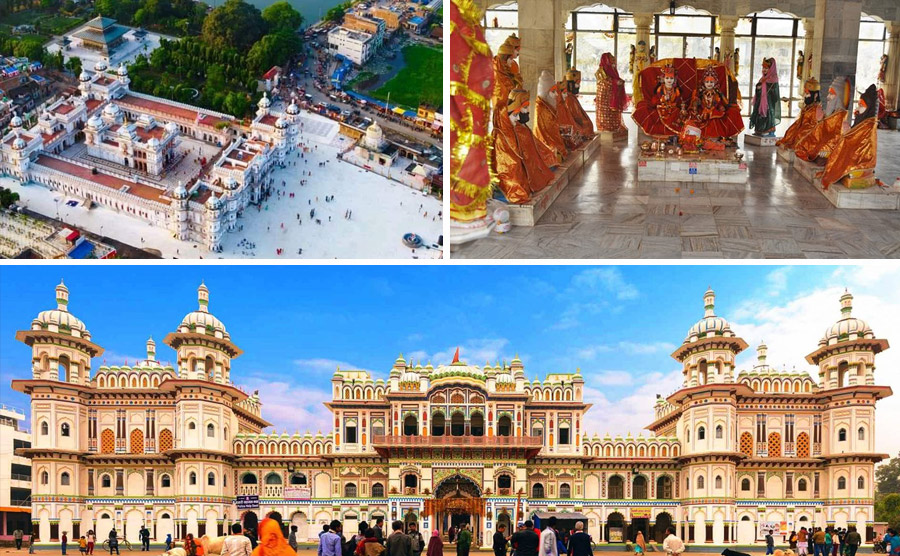
- Janaki Temple (Janakpur): Dedicated to Goddess Sita, attracting thousands of Hindu devotees, especially during Ram Navami.
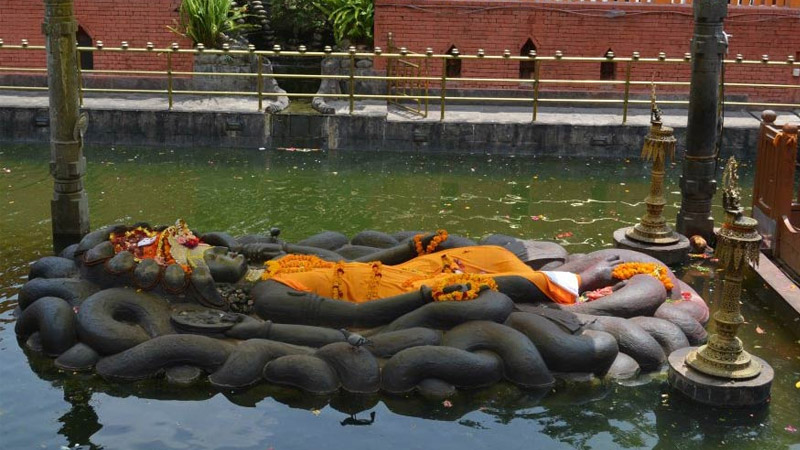
- Budhanilkantha Temple: Home to the reclining Vishnu statue, an important pilgrimage site near Kathmandu.
Buddhist Pilgrimage Sites
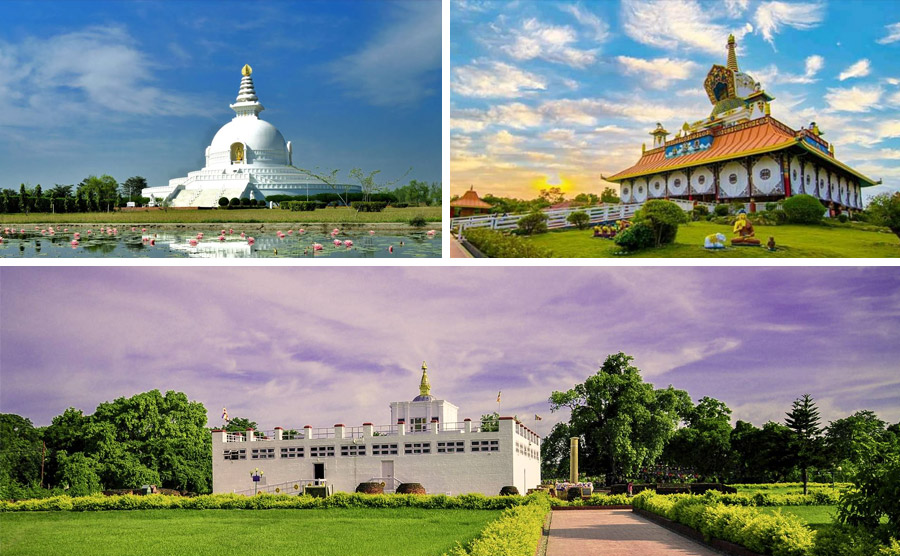
- Lumbini: Birthplace of Lord Buddha, featuring monasteries from around the world and the sacred Maya Devi Temple.
- Swayambhunath Stupa: Known as the Monkey Temple, offering panoramic views of Kathmandu and deep spiritual ambiance.
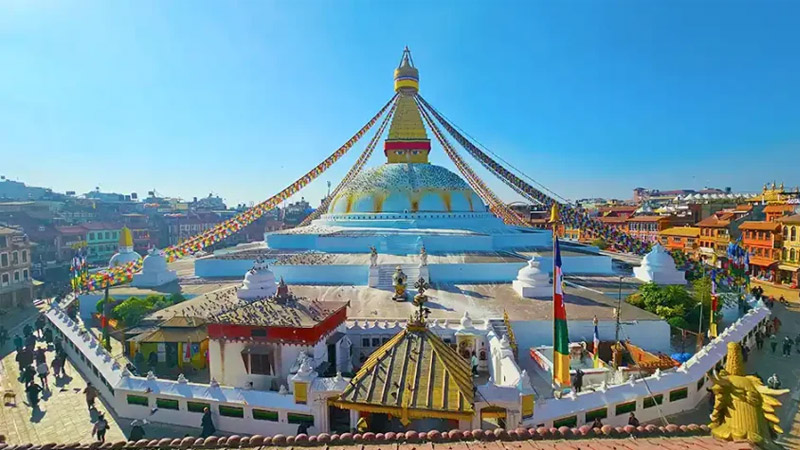
- Boudhanath Stupa: One of the largest stupas in the world, a center for Tibetan Buddhism and meditation.
- Kopan Monastery: Famous for meditation retreats and Buddhist teachings, ideal for spiritual seekers.
- Namobuddha: A revered site connected with Buddha’s compassion story, set amidst tranquil hills.
Each of these sites is perfect for inclusion in a well-planned Nepal pilgrimage tour, offering historical depth, spiritual energy, and cultural immersion. The best time to visit depends on festivals, weather, and your personal spiritual journey, typically from September to November and February to April.
Types of Pilgrimage and Spiritual Tours in Nepal
Nepal offers a variety of pilgrimage and spiritual experiences designed to meet the needs of every traveler. Whether you have just a day or a week, there is a perfect tour to immerse yourself in Nepal’s sacred heritage.
One-Day Tours
Ideal for travelers with limited time, one-day pilgrimage tours in Nepal focus on visiting key temples and stupas within a single city or region. Popular options include a Kathmandu city spiritual tour covering Pashupatinath Temple, Budhanilkantha Temple, and Boudhanath Stupa. These tours are perfect for those seeking a compact yet enriching spiritual experience.
Multi-Day Tours
For a more comprehensive experience, multi-day spiritual tours in Nepal combine visits to several sacred sites across regions. For example, a 3–5 day tour can include Kathmandu, Pokhara, Lumbini, and Namobuddha, allowing travelers to explore Hindu and Buddhist heritage while enjoying Nepal’s natural beauty.
Customized Spiritual Tours
Tailored itineraries cater to personal spiritual goals, whether you wish to focus on meditation retreats, specific temples, or a combination of Hindu and Buddhist sites. Customized tours ensure that your journey aligns perfectly with your spiritual interests and pace.
Festival Tours
Timing your visit during major religious festivals adds a vibrant cultural dimension to your pilgrimage. Tours aligned with Dashain, Buddha Jayanti, Tihar, or other local celebrations allow pilgrims to witness rituals, processions, and community devotion firsthand.
These Nepal religious tours are carefully organized, with expert guides, comfortable transport, and opportunities for meaningful cultural immersion. Many packages also offer internal links to detailed itineraries for each type of tour, making it easy to choose the perfect spiritual journey.
Cultural Etiquette for Pilgrims in Nepal
When embarking on a pilgrimage tour in Nepal or participating in spiritual tours in Nepal, understanding and respecting local customs is essential for a meaningful and harmonious experience. Nepalese religious sites are sacred spaces, and following proper cultural etiquette ensures both respect for the traditions and a richer personal journey.
Dress Code
Modest attire is expected in temples, stupas, and monasteries. Shoulders and knees should be covered, and shoes must be removed before entering sacred areas. Wearing simple, comfortable clothing is recommended, especially for long visits or trekking to remote monasteries.
Photography Rules
While many sites allow photography, it is important to always ask for permission, particularly inside temples or during rituals. Avoid taking photos of monks, priests, or devotees without consent. Flash photography is often prohibited in sacred interiors.
Behavior and Rituals
Respectful behavior includes speaking softly, refraining from public displays of affection, and avoiding touching religious objects unless invited. Observing rituals quietly and participating only when appropriate demonstrates reverence and cultural sensitivity.
Interaction with Monks and Priests
When interacting with monks or priests, maintain a calm and humble demeanor. Offering donations, bowing respectfully, or following guidance during ceremonies reflects understanding and appreciation of local customs.
Adhering to these guidelines enhances your Nepal religious tours, allowing pilgrims to fully engage with spiritual practices, experience the serene environment, and form meaningful connections with local communities. Respectful conduct ensures that your journey is both spiritually fulfilling and culturally enriching.
Best Time to Visit for Pilgrimage and Spiritual Tours in Nepal
Timing your visit can greatly enhance the experience of a pilgrimage tour in Nepal or spiritual tours in Nepal. Nepal’s diverse climate and cultural calendar offer different opportunities throughout the year, making it important to plan according to both weather and festival seasons.
Seasonal Guide
The most favorable periods for spiritual travel are spring (February to April) and autumn (September to November). During these months, the weather is mild, skies are clear, and landscapes are vibrant, creating a serene atmosphere for temple visits, meditation, and reflection. Spring also brings blooming flowers and lush greenery, while autumn provides crisp air and spectacular Himalayan views.
Peak Festival Periods
Aligning your pilgrimage with local festivals can offer unique cultural insights. Dashain and Tihar are major Hindu festivals celebrated across the country with rituals, prayers, and vibrant gatherings. For Buddhist travelers, Buddha Jayanti, the celebration of Buddha’s birth, enlightenment, and death, is a spiritually significant time, especially in Lumbini and major stupas in Kathmandu. Participating in festival ceremonies adds depth and authenticity to your Nepal religious tours.
Avoiding Monsoon and Off-Season
The monsoon season (June to August) brings heavy rainfall, landslides, and challenging travel conditions, making it less ideal for temple and monastery visits. Similarly, the winter months (December to January) can be cold and less comfortable, particularly in high-altitude sites like Muktinath or Mustang.
By choosing the right season and considering festival dates, travelers can ensure that their spiritual tours in Nepal are both comfortable and spiritually enriching, offering the perfect balance of cultural immersion and serene reflection.
Packing List for Pilgrimage and Spiritual Tours in Nepal
Preparing appropriately is key to enjoying a pilgrimage tour in Nepal or spiritual tours in Nepal comfortably and respectfully. Packing thoughtfully ensures that travelers can focus on the spiritual and cultural aspects of their journey without unnecessary distractions.
Clothing
Modest and comfortable attire is essential. Clothes should cover shoulders and knees when visiting temples, stupas, and monasteries. Light, breathable fabrics are ideal for daytime visits, while warmer layers are recommended for early mornings, evenings, or higher-altitude destinations like Muktinath or Namobuddha.
Travel Essentials
Carry water, snacks, and sunscreen to stay hydrated and protected from the sun. Small prayer items, such as beads, scarves, or offerings, can enhance the spiritual experience at temples and monasteries. Sunglasses, hats, and a light rain jacket are also useful, especially during the spring or autumn seasons.
Footwear
Easy-to-remove shoes or sandals are recommended, as footwear must be removed before entering most sacred sites. Comfortable walking shoes are essential for exploring larger temple complexes or trekking to hilltop monasteries.
Optional Items
Pilgrims interested in meditation or personal reflection may bring a lightweight yoga or meditation mat. A small journal can also be useful for noting spiritual experiences and reflections during the tour.
Frequently Asked Questions (FAQ) about Pilgrimage and Spiritual Tours in Nepal
1. How many days are enough for a pilgrimage tour in Nepal?
The ideal duration depends on the number of sites you wish to visit. One-day tours cover key temples in Kathmandu, while 3–5 day tours allow visits to multiple Hindu and Buddhist pilgrimage destinations across the country.
2. Is Nepal safe for spiritual travelers?
Yes, Nepal is generally very safe for pilgrims and spiritual tourists. Local communities are welcoming, and reputable tour operators ensure secure transport, accommodations, and guided visits during spiritual tours in Nepal.
3. Can I combine Hindu and Buddhist sites in one tour?
Absolutely. Many Nepal religious tours combine visits to both Hindu temples and Buddhist stupas, offering a holistic spiritual experience.
4. Are local guides provided?
Yes, experienced local guides are available to explain the history, significance, and rituals at each site, enhancing your pilgrimage tour in Nepal.
5. Can tours be customized for specific religious interests?
Yes, tours can be tailored according to your spiritual goals, preferred sites, and pace, ensuring a personalized journey.
6. Do I need prior permission to visit certain temples or monasteries?
Most sites are open to visitors, but some monasteries or restricted areas may require prior arrangements. Your tour operator can handle these permissions.
7. What is the cost range for pilgrimage tours?
Costs vary based on duration, type of accommodation, and number of sites visited. Customized and multi-day tours are generally higher priced than one-day city tours.
8. Which festivals are best for spiritual tours in Nepal?
Major Hindu festivals like Dashain and Tihar, and Buddhist celebrations like Buddha Jayanti, are ideal for experiencing rituals, processions, and local devotion.
Book Your Pilgrimage and Spiritual Tour in Nepal
Explore the sacred heritage of Nepal with our pilgrimage tours in Nepal. Visit holy temples, serene monasteries, and experience authentic rituals and festivals on thoughtfully designed spiritual tours in Nepal.
Plan your journey today through our contact form or connect instantly via WhatsApp for bookings and inquiries.
With expert guides, authentic experiences, and memorable spiritual journeys, your pilgrimage in Nepal will be inspiring, peaceful, and unforgettable.