

Introduction
Nepal is widely known for its dramatic Himalayan landscapes, but the country is equally rich in culture, history, and living traditions. From ancient temples and sacred rituals to traditional villages and vibrant festivals, Nepal offers travelers a unique opportunity to experience a culture that has been preserved for centuries.
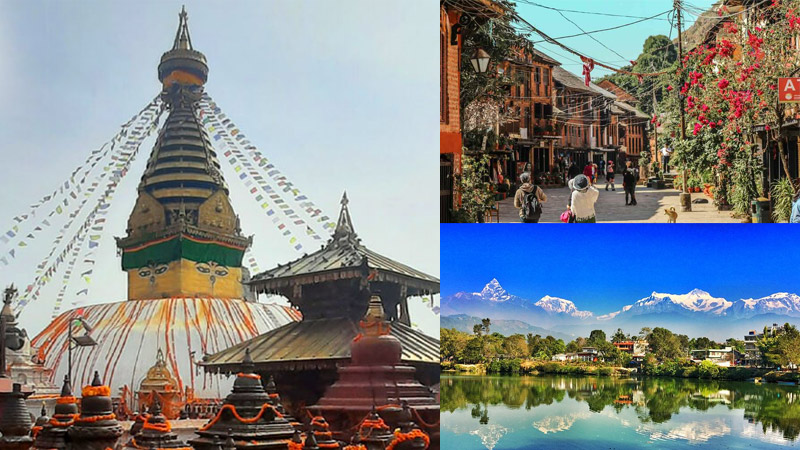
Among the many destinations in the country, Kathmandu, Bandipur, and Pokhara stand out as some of the best places for cultural exploration. Each of these destinations offers a different perspective of Nepalese life. Kathmandu showcases centuries old heritage and religious traditions, Bandipur preserves the charm of a traditional hill town, and Pokhara blends cultural heritage with breathtaking natural surroundings.
Visiting these destinations at the right time of year can greatly enhance the cultural experience. Certain seasons bring major festivals, lively local celebrations, and favorable weather for exploring historic streets, temples, and villages. Travelers who plan their trip carefully can witness traditional rituals, interact with local communities, and experience Nepal’s cultural richness in its most authentic form.
This guide explains the best seasons to visit Kathmandu, Bandipur, and Pokhara for cultural experiences, helping travelers choose the ideal time to explore the traditions, heritage, and local lifestyles that make these destinations so special.
Why Kathmandu, Bandipur, and Pokhara Are Perfect for Cultural Travelers
Nepal’s cultural diversity is reflected in its cities, towns, and villages, where ancient traditions are still part of everyday life. Kathmandu, Bandipur, and Pokhara represent three distinct cultural environments that allow visitors to experience both historical heritage and living traditions.
Together, these destinations provide a well balanced cultural journey through Nepal, combining historic architecture, local traditions, traditional communities, and scenic landscapes.
Unique Cultural Heritage of Kathmandu
Kathmandu, the capital of Nepal, is the cultural heart of the country and one of the most historically significant cities in South Asia. The city is home to numerous ancient temples, monasteries, and royal palaces that reflect centuries of artistic, religious, and architectural development.
Kathmandu Valley contains several UNESCO World Heritage Sites, including historic squares and sacred religious complexes. These sites feature intricately carved wooden temples, pagoda style architecture, and centuries old shrines that continue to attract pilgrims and visitors from around the world.
One of the most fascinating aspects of Kathmandu is that its heritage is still very much alive. Daily rituals take place in temples, prayer flags flutter in courtyards, and locals gather for religious ceremonies throughout the year. Walking through the historic neighborhoods reveals traditional Newari houses, hidden courtyards, and small shrines where residents perform regular offerings and prayers.
Festivals also play a major role in Kathmandu’s cultural life. The city hosts numerous celebrations throughout the year, where colorful processions, music, traditional dances, and religious rituals fill the streets. These events provide travelers with an opportunity to witness Nepalese culture in a vibrant and authentic setting.
Authentic Hill Town Culture in Bandipur
Located on a ridge between Kathmandu and Pokhara, Bandipur is one of Nepal’s best preserved traditional towns. Once an important trading center along the historic route between India and Tibet, the town has managed to retain its old world charm and architectural heritage.
Bandipur is known for its beautifully preserved Newari architecture. The main street is lined with traditional houses featuring wooden windows, carved balconies, and brick facades that reflect the craftsmanship of earlier centuries. Walking through the quiet streets feels like stepping back in time, as many of the buildings remain unchanged for generations.
Unlike larger cities, Bandipur offers a peaceful and intimate cultural atmosphere. Local residents maintain strong traditions and community values, and visitors often have the opportunity to observe daily life in a traditional hill town setting. Small temples, traditional festivals, and community gatherings provide insight into the customs that shape life in the region.
The slower pace of life in Bandipur allows travelers to experience Nepalese culture more closely. Visitors can explore historic buildings, interact with locals, and enjoy scenic views of the surrounding hills and Himalayan ranges while learning about the town’s heritage.
Cultural and Natural Harmony in Pokhara
Pokhara is widely known for its stunning natural beauty, but it also offers rich cultural experiences that complement its scenic landscapes. Situated beside a tranquil lake and surrounded by Himalayan peaks, the city blends traditional culture with modern tourism.
The region around Pokhara is home to several ethnic communities, including the Gurung people, who have preserved their cultural traditions for generations. Traditional villages near the city provide insight into local customs, architecture, and community life. Visitors can observe traditional houses, local handicrafts, and cultural practices that remain an important part of daily life.
Pokhara also features numerous temples and religious sites that reflect the spiritual traditions of Nepal. These sacred locations attract both pilgrims and travelers seeking to understand the country’s religious heritage.
In addition to cultural attractions, Pokhara’s relaxed lakeside atmosphere creates an ideal environment for exploring local culture at a comfortable pace. Markets, cultural performances, and local restaurants allow visitors to experience Nepalese traditions while enjoying the natural beauty that makes Pokhara one of the most popular destinations in the country.
Together, Kathmandu, Bandipur, and Pokhara create a diverse cultural journey that combines historic heritage, traditional communities, and scenic landscapes, making them ideal destinations for travelers interested in exploring the cultural heart of Nepal.
Overview of Nepal’s Seasons and Climate
Nepal experiences four main seasons throughout the year, and each season brings a different atmosphere to the country’s cities, towns, and cultural sites. Understanding Nepal’s seasonal climate can help travelers choose the best time to visit Kathmandu, Bandipur, and Pokhara for cultural exploration.
Weather conditions influence not only travel comfort but also the types of cultural experiences visitors can enjoy. Certain seasons are known for major festivals and community celebrations, while others offer peaceful environments to explore historic towns and heritage sites.
Spring Season (March to May)
Spring is one of the most pleasant seasons to travel in Nepal. Temperatures become warmer after the winter months, and the countryside begins to bloom with colorful flowers and lush vegetation. The weather during this time is generally comfortable, making it ideal for exploring historic towns and walking through traditional streets and temple complexes.
In cities like Kathmandu and Pokhara, spring offers a vibrant atmosphere with active markets, cultural events, and outdoor gatherings. Visitors can explore heritage sites, temples, and traditional neighborhoods without the extreme heat or heavy rainfall that may occur during other seasons. The surrounding hills near Bandipur also become particularly beautiful during spring, creating a scenic setting for cultural exploration.
Summer / Monsoon Season (June to August)
The summer months in Nepal coincide with the monsoon season, which brings frequent rainfall across much of the country. While heavy rain showers can sometimes affect travel plans, this season also transforms the landscape into a lush and vibrant environment.
During the monsoon period, the hills surrounding Bandipur and Pokhara become covered in greenery, and the countryside appears especially fresh and lively. Cultural sites and historic towns are also much quieter compared to the peak travel seasons. Fewer tourists mean visitors can enjoy heritage areas, temples, and local markets with a more relaxed atmosphere.
Although outdoor activities may be limited by rain, the monsoon season can still provide meaningful cultural experiences, especially for travelers who enjoy slower travel and fewer crowds.
Autumn Season (September to November)
Autumn is widely considered the best time to visit Nepal. The monsoon rains clear the air, leaving behind clear skies, fresh landscapes, and comfortable temperatures. These conditions create an excellent environment for sightseeing, cultural exploration, and travel between cities and towns.
This season also coincides with some of the most important cultural festivals in Nepal. During this period, cities and villages come alive with decorations, music, rituals, and traditional celebrations. Streets, temples, and homes are beautifully decorated, creating a festive atmosphere that visitors can experience throughout the country.
Because of the favorable weather and the vibrant cultural events taking place, autumn is the peak travel season in Nepal, attracting both international travelers and domestic visitors.
Winter Season (December to February)
Winter in Nepal brings cooler temperatures, especially during the mornings and evenings, but the weather remains relatively dry and stable in most parts of the country. While the Himalayan regions can become very cold, cities such as Kathmandu, Bandipur, and Pokhara remain comfortable for sightseeing during the day.
One of the main advantages of traveling during winter is the peaceful atmosphere. Cultural attractions, historic squares, and temples tend to have fewer visitors, allowing travelers to explore these sites at a relaxed pace. The quieter environment can also make it easier to observe local life and traditional practices without large crowds.
For travelers interested in cultural discovery rather than busy tourist seasons, winter offers a calm and authentic travel experience in many of Nepal’s historic towns and cultural centers.
Best Time to Visit Kathmandu for Cultural Experiences
Kathmandu is Nepal’s cultural and historical center, where centuries old traditions continue to shape daily life. The city is filled with temples, shrines, monasteries, and historic squares that showcase the rich heritage of the Kathmandu Valley. Choosing the right season to visit can greatly enhance the cultural experience, as different times of the year offer unique festivals, rituals, and local traditions.
Autumn Festivals and Cultural Celebrations
Autumn is widely regarded as the best time to experience Kathmandu’s vibrant cultural life. During this season, the city celebrates some of the most important festivals in Nepal, including Dashain and Tihar. These festivals are deeply rooted in Nepalese traditions and bring families and communities together for celebrations that last several days.
Throughout Kathmandu, homes and temples are decorated with colorful lights, flowers, and traditional ornaments. Families gather to perform rituals, offer prayers, and celebrate with traditional food and music. The festive atmosphere extends to the streets, where markets become lively and neighborhoods are filled with cultural activities.
Visitors during this period have the opportunity to witness authentic cultural celebrations and observe the important role these festivals play in Nepalese society.
Spring Cultural Events and Temple Visits
Spring is another excellent season for exploring Kathmandu’s cultural heritage. The pleasant weather makes it comfortable to walk through the city’s historic neighborhoods, visit temples, and explore heritage squares without extreme heat or cold.
During spring, daily religious activities and temple rituals can be observed throughout the city. Devotees visit shrines for prayers and offerings, while monks and priests continue traditional ceremonies that have been practiced for generations. Markets, courtyards, and public spaces also become lively gathering places where locals interact and celebrate cultural traditions.
The combination of comfortable weather and active local life makes spring an ideal time for travelers who want to explore Kathmandu’s cultural attractions at a relaxed pace.
Winter Cultural Exploration
Winter offers a quieter and more peaceful environment for cultural exploration in Kathmandu. With fewer tourists visiting the city during this season, many of the major heritage sites and historic squares become less crowded, allowing visitors to explore them more comfortably.
The cooler weather also creates a calm atmosphere in the city’s temples and monasteries. Travelers can spend more time observing the intricate architecture, religious statues, and traditional artwork that define Kathmandu’s historic landmarks.
For those who prefer a slower travel experience, winter can be an excellent time to discover Kathmandu’s cultural heritage while enjoying a tranquil and less crowded environment.
Best Time to Visit Bandipur for Traditional Village Culture
Bandipur is one of Nepal’s most charming heritage towns, known for its well preserved architecture, traditional lifestyle, and peaceful hilltop setting. Unlike larger cities, Bandipur offers a slower pace of life where visitors can observe local customs, traditional homes, and community interactions that reflect Nepal’s cultural heritage.
Because the town sits on a ridge overlooking the surrounding hills and mountains, the experience of visiting Bandipur can vary depending on the season. Each time of year offers a different atmosphere for travelers interested in exploring traditional village culture.
Autumn for Scenic Views and Festivals
Autumn is widely considered the best time to visit Bandipur. The monsoon rains clear the air, creating fresh landscapes and excellent visibility of the surrounding Himalayan ranges. On clear days, visitors can enjoy stunning views of the mountains from the town’s viewpoints and terraces.
During this season, the village atmosphere becomes particularly lively as local communities celebrate important festivals and cultural events. Residents gather for traditional ceremonies, family celebrations, and community activities that reflect long standing cultural traditions.
The combination of clear weather, festive celebrations, and active village life makes autumn an ideal time for travelers who want to experience Bandipur’s cultural heritage in a vibrant setting.
Spring for Village Walks and Cultural Interaction
Spring is another excellent season for exploring Bandipur and its surrounding countryside. As the weather becomes warmer and flowers begin to bloom across the hills, the landscapes around the town become colorful and refreshing.
The pleasant temperatures make it comfortable to walk through the historic streets, explore nearby viewpoints, and visit surrounding villages. Travelers can observe daily routines such as farming, local markets, and community gatherings that form an important part of village life.
Spring also provides good opportunities for cultural interaction. Visitors often have the chance to meet local residents, learn about traditional crafts, and gain insight into the customs that continue to shape life in this historic hill town.
Winter for Peaceful Cultural Experiences
Winter offers a quiet and peaceful environment in Bandipur, making it ideal for travelers seeking a relaxed cultural experience. The cooler temperatures and reduced number of visitors create a calm atmosphere throughout the town.
During this time, the narrow streets, traditional houses, and small temples can be explored at a comfortable pace. The slower rhythm of life allows visitors to observe everyday activities and appreciate the authenticity of the village setting.
Winter is also a great season for photography. The clear skies often provide beautiful views of the surrounding mountains, while the traditional architecture and peaceful streets create memorable scenes that capture the charm of Bandipur.
Best Time to Visit Pokhara for Cultural and Local Experiences
Pokhara is one of Nepal’s most popular destinations, known for its scenic lake, mountain views, and relaxed atmosphere. While many travelers visit the city for adventure activities and natural beauty, Pokhara also offers meaningful cultural experiences that reflect the traditions of the surrounding region.
The city is home to temples, traditional communities, and nearby villages where visitors can learn about local culture and heritage. Choosing the right season to visit can help travelers enjoy these cultural experiences more comfortably.
Autumn for Festivals and Lakeside Culture
Autumn is one of the best times to visit Pokhara for both cultural experiences and natural beauty. The skies are typically clear, allowing visitors to enjoy spectacular views of the Annapurna mountain range while exploring the city.
During this season, Nepal celebrates several important cultural festivals. Pokhara’s streets, temples, and homes become decorated with lights, flowers, and traditional symbols as communities gather to celebrate together. These celebrations create a lively and welcoming atmosphere across the city.
The lakeside area of Pokhara also becomes vibrant during autumn. Visitors can enjoy local markets, cultural performances, and traditional foods while experiencing the festive spirit that fills the city.
Spring for Cultural Villages and Traditions
Spring provides pleasant temperatures and colorful landscapes, making it an excellent season for visiting the cultural villages around Pokhara. The surrounding hills become green and vibrant, creating beautiful scenery for exploring rural communities.
Many of the nearby villages are home to ethnic groups such as the Gurung community, who have preserved their traditions, architecture, and cultural practices. Visiting these villages allows travelers to observe traditional houses, learn about local customs, and experience authentic village life.
Spring’s comfortable weather also makes it easier to explore temples, cultural sites, and local neighborhoods within the city itself. Travelers can spend time walking through markets, visiting religious sites, and enjoying the relaxed cultural environment that Pokhara offers.
Winter for Quiet Cultural Exploration
Winter brings a quieter atmosphere to Pokhara, making it a good option for travelers who prefer a more relaxed travel experience. Although temperatures are cooler, the weather is usually dry and clear, which allows visitors to continue exploring the city comfortably during the day.
The lakeside area becomes less crowded during this season, giving travelers more space to enjoy the peaceful surroundings. Cultural sites such as temples and local markets are also easier to explore without large crowds.
For visitors interested in a calm cultural journey, winter offers a chance to experience Pokhara’s traditions, religious sites, and local life in a more tranquil setting while still enjoying the natural beauty of the region.
Major Cultural Festivals You Can Experience
Nepal’s cultural richness is best experienced through its festivals. Throughout the year, communities across the country celebrate traditional events that combine religious rituals, family gatherings, music, and colorful decorations. Visiting Kathmandu, Bandipur, and Pokhara during festival seasons allows travelers to witness authentic cultural traditions and experience the lively atmosphere that defines Nepalese celebrations.
Dashain Festival
Dashain is the largest and most important festival in Nepal, celebrated by families across the country. The festival usually takes place during the autumn season and lasts for several days, bringing together relatives and communities for traditional rituals and celebrations.
During Dashain, families gather to worship the goddess Durga, seek blessings from elders, and celebrate with special meals and cultural practices that have been followed for generations. Houses are cleaned and decorated, and temples become busy with devotees offering prayers and participating in religious ceremonies.
In cities like Kathmandu and Pokhara, markets become lively as people prepare for the festival, while villages such as Bandipur host community gatherings and traditional activities. The atmosphere throughout the country becomes festive and joyful, making Dashain an unforgettable cultural experience for visitors.
Tihar Festival
Tihar, often known as the festival of lights, is another major celebration in Nepal that takes place shortly after Dashain. This multi day festival honors animals such as crows, dogs, and cows, as well as the bond between brothers and sisters.
Homes, temples, and streets are decorated with colorful lights, candles, and traditional oil lamps, creating a beautiful nighttime atmosphere in towns and cities across Nepal. Doorways and courtyards are decorated with intricate patterns made from colored powders and flower petals.
Music, singing, and traditional dances are common during Tihar, especially during the evening when groups visit homes to perform cultural songs and receive blessings or small gifts. The vibrant decorations and joyful community spirit make Tihar one of the most visually stunning festivals for travelers to experience.
Holi Festival
Holi is one of the most colorful and energetic festivals in Nepal, marking the arrival of spring. The celebration is famous for its playful tradition of throwing colored powders and water while music and dancing fill the streets.
During Holi, public squares, neighborhoods, and open spaces become gathering points where people celebrate together regardless of age or background. The atmosphere is lively and joyful, with music performances, street celebrations, and community events taking place throughout the day.
Cities such as Kathmandu and Pokhara host particularly vibrant Holi celebrations, where both locals and visitors join the festivities. The festival offers travelers a unique opportunity to participate in a joyful cultural tradition while experiencing Nepal’s friendly and welcoming spirit.
Cultural Travel Tips for Visitors
Travelers exploring Nepal’s cultural destinations can enhance their experience by understanding and respecting local customs and traditions. Whether visiting temples, attending festivals, or interacting with local communities, following basic cultural guidelines helps create a respectful and meaningful travel experience.
Respect Local Traditions and Temples
Nepal is home to many sacred temples, monasteries, and religious sites that are deeply respected by local communities. Visitors are encouraged to dress modestly when entering these areas and follow the cultural etiquette observed by worshippers.
Shoes are usually removed before entering temples or certain religious spaces, and photography may sometimes be restricted in sacred areas. Being mindful of these customs helps preserve the spiritual atmosphere of these important sites and shows respect for local traditions.
Participate in Local Festivals
One of the most rewarding aspects of visiting Nepal is the opportunity to observe or participate in traditional festivals. These celebrations often involve community gatherings, rituals, music, and cultural performances that reflect the country’s heritage.
Visitors are generally welcomed to observe these celebrations and sometimes join local activities, but it is important to participate respectfully. Taking time to understand the meaning behind rituals and traditions can make the experience far more meaningful.
Hire Local Guides for Deeper Cultural Insight
Hiring a knowledgeable local guide can greatly enrich a cultural journey through Kathmandu, Bandipur, and Pokhara. Local guides provide valuable insight into the history, architecture, traditions, and stories behind many of the sites travelers visit.
Guides can also help visitors understand the cultural significance of festivals, religious practices, and local customs that might otherwise go unnoticed. Their expertise allows travelers to gain a deeper appreciation of Nepal’s cultural heritage while exploring historic towns and cultural landmarks.
Suggested Cultural Travel Itinerary
Travelers who want to explore the cultural richness of central Nepal often combine Kathmandu, Bandipur, and Pokhara into a single journey. These three destinations complement each other perfectly, offering a mix of historic heritage, traditional village life, and scenic landscapes. A well planned itinerary allows visitors to experience ancient temples, authentic hill town culture, and vibrant local traditions within a relatively short travel distance.
Kathmandu Cultural Exploration
Kathmandu is the ideal starting point for a cultural journey in Nepal. The city is filled with historic squares, sacred temples, and traditional markets that reflect centuries of artistic and religious heritage. Visitors can spend time walking through the historic areas of the Kathmandu Valley, where intricately carved temples, royal courtyards, and traditional houses create a unique cultural landscape.
Exploring the local markets is also an important part of the experience. These bustling marketplaces provide insight into everyday life, where locals gather to shop for food, handicrafts, and traditional goods. Temples and shrines scattered throughout the city offer opportunities to observe daily religious rituals and ceremonies performed by worshippers and priests.
Spending a few days in Kathmandu allows travelers to understand the cultural foundations of Nepal before continuing their journey to the quieter towns and villages beyond the capital.
Traditional Village Experience in Bandipur
After exploring the cultural landmarks of Kathmandu, traveling to Bandipur offers a completely different experience. This peaceful hilltop town is known for its beautifully preserved Newari architecture and traditional village atmosphere.
Walking through Bandipur’s historic streets reveals rows of traditional houses with carved wooden windows and balconies that reflect the town’s trading heritage. The quiet environment allows visitors to explore at a relaxed pace while enjoying panoramic views of the surrounding hills and distant Himalayan peaks.
Bandipur is also an excellent place to interact with local residents and observe daily village life. Community gatherings, small temples, and traditional homes provide insight into customs and lifestyles that have remained largely unchanged for generations. The slower rhythm of the town makes it a perfect destination for travelers seeking a deeper cultural connection.
Cultural Relaxation in Pokhara
The final stop in this cultural journey is Pokhara, a city known for its beautiful lakeside setting and stunning mountain views. While Pokhara is often associated with adventure tourism, it also offers meaningful cultural experiences that complement its natural beauty.
Visitors can explore temples, cultural museums, and nearby villages that showcase the traditions of the region’s ethnic communities. Local markets, cultural performances, and traditional restaurants also provide opportunities to experience Nepali culture in a relaxed environment.
The peaceful atmosphere of the lakeside area allows travelers to unwind while still enjoying cultural exploration. Watching the reflection of the Himalayas on the lake, visiting spiritual sites, and exploring surrounding villages make Pokhara an ideal destination to conclude a cultural journey through Nepal.
Final Thoughts: When Is the Best Time Overall?
Kathmandu, Bandipur, and Pokhara can be visited throughout the year, but each season offers a slightly different travel experience. Choosing the right time depends on what kind of cultural atmosphere travelers hope to enjoy during their trip.
Autumn, from September to November, is generally considered the best time to visit. The weather is clear and comfortable, the mountain views are spectacular, and many of Nepal’s largest festivals take place during this season. Cultural celebrations, family gatherings, and vibrant decorations create an unforgettable atmosphere across cities and villages.
Spring, from March to May, is another excellent time for travel. The weather is pleasant and the landscapes are filled with blooming flowers and greenery. This season provides comfortable conditions for exploring heritage towns, temples, and local markets while enjoying lively community life.
Winter offers a quieter travel experience with fewer tourists visiting major cultural sites. While temperatures are cooler, the peaceful environment allows visitors to explore temples, historic squares, and traditional towns at a relaxed pace.
The monsoon season from June to August brings lush green landscapes and fewer crowds. Although rain showers are frequent, travelers who enjoy tranquil environments and dramatic scenery may still find this season rewarding.
Ultimately, the best time to visit depends on personal preferences. Travelers who want to witness major festivals and lively cultural celebrations may prefer autumn. Those seeking pleasant weather and vibrant landscapes may choose spring, while visitors looking for a peaceful and reflective journey may enjoy winter or the quieter monsoon months. No matter the season, Kathmandu, Bandipur, and Pokhara offer rich cultural experiences that reveal the heart and heritage of Nepal.
Discover the full itinerary here:
https://www.easytournepal.com/kathmandu-bandipur-pokhara-cultural-tour