

Lumbini, the birthplace of Lord Buddha, is one of Nepal’s most important spiritual, cultural, and historical destinations. Located in the southern Terai region of Nepal, Lumbini attracts Buddhist pilgrims, cultural travelers, history enthusiasts, and visitors seeking a peaceful experience.
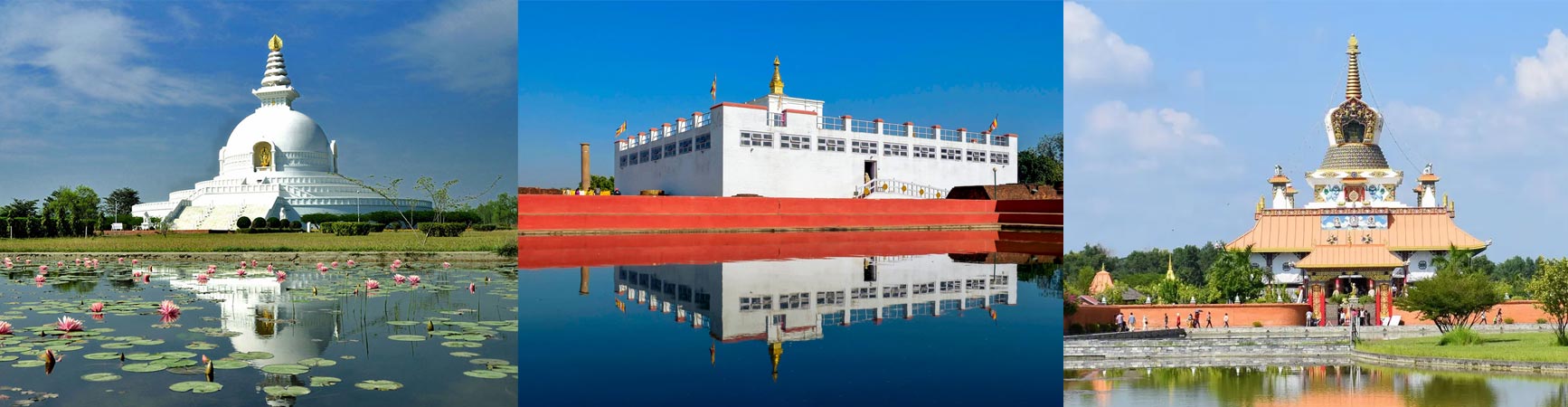
Explore Lumbini Tours
 Pilgrimage
 Pilgrimage
 Luxury Experience
 Cultural
Nepal Tours Including Lumbini
 Best Seller
Kathmandu, Pokhara - Lumbini
Kathmandu Pokhara Lumbini Tour

Starting From
View Tour
→
USD 935
/ person
 Best Seller
Kathmandu, Pokhara, Lumbini, Chitwan
Kathmandu Pokhara Lumbini Chitwan - Best Nepal Experience
Starting From
View Tour
→
USD 1265
/ person
 Luxury Experience
Kathmandu, Nagarkot - Pokhara - Lumbini - Chitwan
Luxury Kathmandu Pokhara Lumbini Chitwan Tour
Starting From
View Tour
→
USD 2200
/ person
Haven’t Found the Right Tour Yet?
Tell us what you have in mind. We’ll help you plan your Nepal experience.
Good To Know
Our Lumbini Tours are designed to make it easy to explore the sacred sites and remarkable heritage of this UNESCO World Heritage Site. From short sightseeing experiences to more comprehensive pilgrimage and cultural journeys, you can choose a tour package based on your available time and interests. Browse our Lumbini tour packages below and discover a meaningful way to experience one of Nepal’s most significant destinations.
Lumbini Tour Packages
Discover our range of Lumbini tour packages designed for travelers with different schedules, interests, and travel preferences. Whether you are looking for a short visit to the birthplace of Lord Buddha or a more immersive cultural and pilgrimage experience, our Lumbini tours provide convenient ways to explore this important destination in Nepal.
Choose from the tour packages below to find an itinerary that matches your travel plans. Each package offers a different way to experience Lumbini, with opportunities to visit its sacred landmarks, monasteries, historical sites, and peaceful surroundings.
[Dynamic Lumbini Tour Packages Will Be Displayed Here]
Why Take a Lumbini Tour?
Lumbini offers a travel experience that goes beyond ordinary sightseeing. Recognized as the birthplace of Siddhartha Gautama, who became known as Lord Buddha, the destination holds deep spiritual significance for Buddhists and is also an important historical and cultural site for travelers from around the world. A Lumbini tour allows visitors to explore this heritage while experiencing the peaceful atmosphere of the surrounding sacred area.
Visit the Birthplace of Lord Buddha
The primary reason many travelers visit Lumbini is to experience the place associated with the birth of Lord Buddha. The sacred area provides an opportunity to learn about the early life of Siddhartha Gautama and the history of Buddhism. Visiting the important sites within the Sacred Garden can make the journey particularly meaningful for pilgrims and anyone interested in Buddhist history and philosophy.
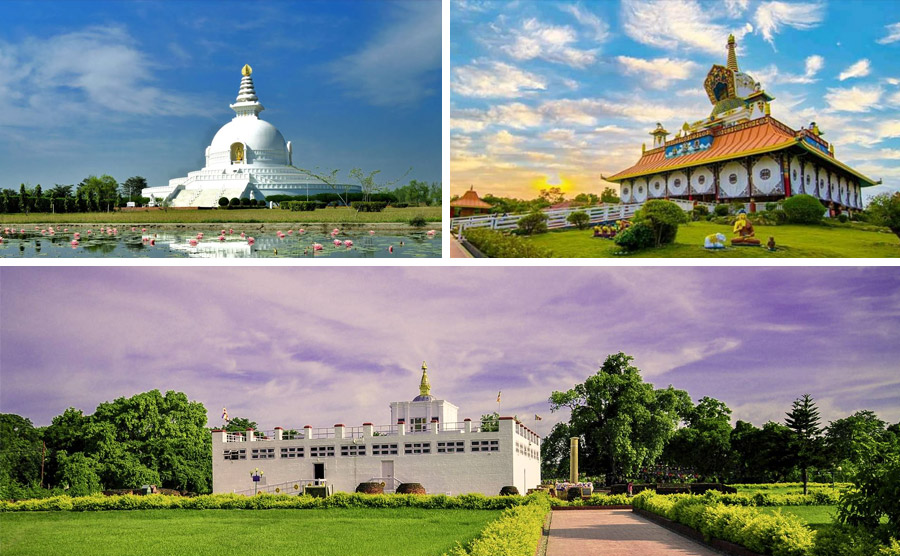
The Maya Devi Temple stands at the heart of the sacred area and is traditionally regarded as the exact birthplace of Buddha. Exploring this important site allows visitors to connect with one of the most significant chapters in Buddhist history while learning more about Lumbini's archaeological and religious heritage.
Explore Sacred Monasteries and Temples
Lumbini is home to monasteries, temples, meditation centers, and other religious structures representing Buddhist traditions from different parts of the world. The Monastic Zone provides an opportunity to observe a fascinating variety of architectural styles while experiencing the peaceful environment of the area.
As you explore these monasteries, you can see how different Buddhist communities express their traditions through architecture, artwork, prayer spaces, and religious practices. This makes Lumbini particularly interesting for travelers who want to experience both the spiritual and cultural dimensions of Buddhism.
Experience Buddhist Heritage and Culture
A Lumbini tour offers more than visits to individual monuments. It provides an opportunity to understand the historical development and cultural influence of Buddhism and its connection with Nepal. The sacred sites, archaeological remains, monasteries, museums, and surrounding landscapes together create a destination where history and living religious traditions come together.
For cultural travelers, Lumbini can also provide a deeper perspective on Nepal's diverse heritage. Exploring its historic landmarks and international monasteries offers an experience that combines education, architecture, religion, and culture in one journey.
Enjoy a Peaceful and Spiritual Travel Experience
The atmosphere of Lumbini is one of its most distinctive qualities. Away from the busier tourist centers of Nepal, the sacred areas offer quiet spaces where visitors can walk, observe the surroundings, meditate, or simply take time to appreciate the significance of the destination.
For pilgrims, this peaceful environment can create an opportunity for reflection and spiritual practice. For other travelers, it offers a chance to slow down and experience a different side of Nepal. Whether you visit Lumbini for religious reasons, cultural exploration, or personal interest, the destination can provide a calm and memorable travel experience.
Places to Visit in Lumbini
Lumbini is home to a remarkable collection of sacred landmarks, archaeological sites, monasteries, and cultural attractions. While the birthplace of Lord Buddha is the central attraction, exploring the wider Lumbini area gives visitors a better understanding of its religious and historical importance. Depending on the itinerary, a Lumbini tour can include several significant places within and around the Sacred Garden.
Maya Devi Temple
The Maya Devi Temple is the spiritual heart of Lumbini and one of the most important places to visit during a Lumbini tour. The temple is traditionally identified as the birthplace of Siddhartha Gautama, who later became known as Lord Buddha. Inside the temple complex, visitors can see the sacred marker associated with Buddha's birthplace and archaeological remains that reflect the site's long history.
The temple is an important pilgrimage destination for Buddhists from around the world, but its historical significance also makes it worthwhile for travelers interested in archaeology, culture, and ancient civilizations. Visitors are expected to maintain a respectful atmosphere while exploring this sacred site.
Ashoka Pillar
Located near the Maya Devi Temple, the Ashoka Pillar is another significant historical landmark in Lumbini. The pillar is associated with Emperor Ashoka, who visited Lumbini during the 3rd century BCE and is believed to have helped establish the site as an important Buddhist pilgrimage destination.
An inscription on the pillar provides historical evidence connecting the area with the birthplace of Buddha. Seeing the Ashoka Pillar in person gives visitors an opportunity to appreciate the long historical connection between Lumbini and the development of Buddhist pilgrimage traditions.
Sacred Garden
The Sacred Garden forms the central area of Lumbini and surrounds some of its most important archaeological and religious landmarks. It is a peaceful place where visitors can walk between significant sites while taking in the calm atmosphere of the surrounding gardens and ponds.
The garden is particularly enjoyable for travelers who want to experience Lumbini at a slower pace. Rather than simply moving from one attraction to another, visitors can spend time observing the surroundings, reflecting on the site's importance, and appreciating the combination of natural landscapes and historic monuments.
Lumbini Monastic Zone
The Lumbini Monastic Zone is one of the most fascinating areas to explore because it brings together monasteries representing different Buddhist traditions and countries. The monasteries showcase a wide range of architectural designs, artistic details, religious practices, and cultural influences.
Walking through this area provides a glimpse into the international character of Lumbini. Visitors can experience how Buddhist communities from different parts of the world have established their own spiritual spaces while contributing to the broader identity of Lumbini as an international pilgrimage destination.
World Peace Pagoda
The World Peace Pagoda, also known as Shanti Stupa, is a prominent landmark in Lumbini and a popular stop for visitors exploring the wider area. Its white structure and peaceful surroundings create a striking contrast with the greenery around it.
The pagoda represents peace and harmony and offers another perspective on Lumbini's spiritual character. Visiting the site can be a relaxing part of a sightseeing itinerary, particularly for travelers interested in Buddhist architecture, photography, and peaceful cultural spaces.
Lumbini Museum
The Lumbini Museum provides an opportunity to learn more about the history, archaeology, and cultural significance of Lumbini. For visitors who want to understand the destination beyond its religious landmarks, a museum visit can add useful historical context to the overall experience.
Exploring the museum can help travelers connect the archaeological discoveries, historical development, and Buddhist heritage of Lumbini with the places they see during their sightseeing tour. It is especially useful for visitors who want a deeper understanding of why Lumbini has become such an important international heritage destination.
Tilaurakot
Tilaurakot is an important archaeological site located beyond the central Lumbini area and can be included in selected itineraries. It is traditionally associated with the ancient city of Kapilavastu, where Siddhartha Gautama is believed to have spent part of his early life before leaving his royal life behind.
The archaeological remains at Tilaurakot provide another dimension to a Lumbini journey. Instead of focusing only on Buddha's birthplace, visitors can explore a site connected with his early life and gain a broader understanding of the historical landscape associated with the Buddha's story.
For travelers with enough time, combining Lumbini's central sacred sites with nearby historical attractions such as Tilaurakot can make the experience more comprehensive. It allows visitors to explore not only the religious significance of Lumbini but also the wider archaeological and cultural heritage of the region.
Types of Lumbini Tours
Lumbini can be explored in different ways depending on your travel time, interests, and reason for visiting. Some travelers come specifically for Buddhist pilgrimage, while others are interested in history, architecture, culture, and heritage. Choosing the right type of Lumbini tour can help you make the most of your time while focusing on the experiences that matter most to you.
Lumbini Day Tours
A Lumbini day tour is a convenient option for travelers with limited time who want to explore the major attractions in and around the birthplace of Buddha. A well-planned day can include important sites such as the Maya Devi Temple, Ashoka Pillar, Sacred Garden, and selected monasteries.
Day tours are particularly suitable for travelers passing through the region or those who want to experience Lumbini as part of a broader Nepal itinerary. Although the visit is shorter, careful planning can still provide an opportunity to experience the destination's key religious and cultural highlights.
Lumbini Multi-Day Tours
A multi-day Lumbini tour allows visitors to explore the destination at a more relaxed pace. Instead of trying to cover the major attractions in a single day, travelers can spend more time visiting monasteries, archaeological sites, museums, and nearby cultural attractions.
Additional time can also make it easier to include places such as Tilaurakot or combine Lumbini with other destinations in Nepal. This option is well suited to travelers who prefer a slower journey and want to understand the region beyond its main landmarks.
Lumbini Pilgrimage Tours
Lumbini pilgrimage tours are designed for travelers who want to experience the birthplace of Lord Buddha as an important Buddhist spiritual destination. These journeys typically focus on sacred landmarks, monasteries, meditation spaces, and other places associated with Buddhist heritage.
For pilgrims, visiting Lumbini can be a deeply meaningful experience. The peaceful surroundings provide opportunities for reflection, prayer, meditation, and learning about the life and teachings associated with Buddha. However, a pilgrimage does not have to be limited to practicing Buddhists; anyone interested in Buddhist history and spirituality can appreciate the significance of the destination.
Lumbini Cultural and Heritage Tours
Travelers interested in history, archaeology, architecture, and culture can explore Lumbini from a broader heritage perspective. These tours focus on the historical importance of the area while also introducing visitors to its international monasteries, museums, archaeological remains, and cultural landmarks.
A cultural and heritage-focused journey is an excellent choice for visitors who want to understand how Lumbini developed into an internationally recognized pilgrimage and heritage destination. It can also provide a broader perspective on Nepal's connection with Buddhist history and South Asian civilization.
Lumbini Tours from Kathmandu
For travelers beginning their Nepal journey in Kathmandu, a Lumbini tour from the capital can be a practical way to include this important destination in a wider itinerary. Depending on the available time and preferred travel arrangements, the journey can be planned as a short visit or combined with other major destinations in Nepal.
A well-organized itinerary can take care of transportation, accommodation, sightseeing, and other essential arrangements, allowing travelers to focus on experiencing Lumbini rather than managing every part of the journey themselves.
Best Time to Visit Lumbini
Lumbini can be visited throughout the year, but weather conditions can significantly influence the comfort of sightseeing. The region experiences distinct seasons, with spring and autumn generally offering pleasant conditions for exploring the sacred sites and surrounding attractions.
Spring: March to May
Spring is one of the favorable periods for visiting Lumbini. Temperatures are generally comfortable for walking and sightseeing, while the landscape becomes greener and more vibrant as the season progresses.
March and April can be particularly pleasant for exploring the Sacred Garden, monasteries, and other outdoor attractions. May can become warmer, but it is also an important period for Buddhist travelers because Buddha Jayanti, the celebration associated with Buddha's birth, enlightenment, and passing, is observed around this time according to the lunar calendar.
Summer and Monsoon: June to August
Summer brings warmer temperatures to the Terai, while the monsoon season can bring periods of heavy rainfall. Outdoor sightseeing may therefore be less predictable during this period, especially when rain affects roads and walking areas.
However, this season can still be suitable for travelers who do not mind heat or occasional rain. The landscape can appear particularly lush and green during the monsoon months, and visitors may benefit from fewer crowds at some times.
Autumn: September to November
Autumn is another excellent period for a Lumbini tour. After the monsoon, the weather generally becomes more favorable for sightseeing, and the surroundings can be fresh and green.
September may still experience some residual monsoon conditions, while October and November are typically more comfortable for outdoor exploration. These months are especially appealing to travelers who want to combine Lumbini with other destinations in Nepal.
Winter: December to February
Winter generally offers cooler and drier conditions in Lumbini. Mornings and evenings can feel chilly, while daytime temperatures are often comfortable for sightseeing.
The cooler weather can make walking around the Sacred Garden and exploring the monasteries more pleasant. Travelers visiting during winter should carry suitable warm clothing, particularly if their itinerary includes early-morning sightseeing.
Which Season Is Best for a Lumbini Tour?
For most travelers, spring and autumn are among the most comfortable seasons for visiting Lumbini, particularly if the itinerary involves extensive outdoor sightseeing. However, the ideal time ultimately depends on your priorities, schedule, and tolerance for heat or rain.
If your main purpose is pilgrimage, cultural exploration, or visiting the birthplace of Buddha, Lumbini remains a worthwhile destination throughout the year. Planning your trip around the season that best matches your travel preferences can simply make the experience more comfortable and enjoyable.
How Many Days Are Enough for Lumbini?
The ideal duration for a Lumbini visit depends on how deeply you want to explore the destination and whether you plan to include nearby attractions. While the main highlights can be visited within a day, spending two or more days allows for a more relaxed experience and additional sightseeing.
One-Day Lumbini Visit
A one-day visit can be suitable for travelers with limited time who mainly want to explore the most important sites in the Lumbini area. With an efficient itinerary, you can visit the Maya Devi Temple, Ashoka Pillar, Sacred Garden, and selected monasteries and other key attractions.
A day trip is best for travelers who are passing through Lumbini or including it as one stop on a broader Nepal journey. Since the schedule can be relatively full, starting early and organizing transportation in advance can help you make better use of the available time.
Two-Day Lumbini Tour
Two days provide a more comfortable amount of time for exploring Lumbini. Instead of rushing between attractions, you can spend more time at the Sacred Garden, visit a wider selection of monasteries, and explore cultural and historical sites at a relaxed pace.
A two-day itinerary can also provide flexibility for travelers who want to experience Lumbini during different times of the day. It is a good choice for those who want a balance between sightseeing and a peaceful experience.
Three or More Days
Travelers with three or more days can explore Lumbini more extensively and consider adding nearby destinations to their itinerary. Additional time can be used for places such as Tilaurakot and other culturally or historically significant sites in the surrounding region.
A longer journey is also useful when Lumbini is part of a larger Nepal tour that includes destinations such as Kathmandu, Pokhara, or other cultural and natural attractions. The extra time allows you to travel at a more relaxed pace rather than trying to fit every experience into a short schedule.
For most visitors focused specifically on Lumbini, one to two days can be sufficient for the main attractions, while travelers interested in a deeper cultural or pilgrimage experience may prefer a longer itinerary.
How to Get to Lumbini
Lumbini is located in the Rupandehi District of southern Nepal and can be reached by air or road from several major destinations. The most suitable option depends on your starting point, budget, available time, and preferred style of travel.
Kathmandu to Lumbini
Travelers coming from Kathmandu can reach Lumbini by air or road. Flying can save time, while road travel offers the opportunity to experience Nepal's changing landscapes and stop at destinations along the route.
For travelers with limited time, combining a flight with a private vehicle transfer can be a convenient option. Those with a more flexible schedule may prefer traveling by road as part of a broader Nepal itinerary.
By Flight
The nearest airport for Lumbini is Gautam Buddha International Airport in Bhairahawa, which serves as the main air gateway to the region. From the airport, travelers can continue by road to Lumbini.
Flying is particularly convenient for visitors who are traveling from Kathmandu or other parts of Nepal and want to minimize the amount of time spent on long-distance road travel. Private transfers or other local transportation can be arranged for the journey between the airport and Lumbini.
By Road
Lumbini is accessible by road from Kathmandu, Pokhara, Chitwan, and other destinations in Nepal. Travelers can choose between private vehicles, tourist transportation, and other available road options depending on their itinerary and preferences.
Road travel can take longer than flying, but it provides a chance to see Nepal's countryside and changing landscapes along the way. For travelers combining several destinations, traveling by road can also make it easier to connect Lumbini with other places along the route.
Pokhara to Lumbini
Lumbini can also be combined with a visit to Pokhara, making the two destinations a practical combination for travelers interested in experiencing both Nepal's cultural heritage and natural attractions. The journey between the two destinations can be arranged by road, with private transportation being a convenient option for travelers who value flexibility.
Combining Pokhara and Lumbini can work particularly well as part of a broader Nepal tour. Travelers can enjoy Pokhara's lakes, mountain views, and outdoor experiences before continuing toward Lumbini's sacred and historical attractions.
Choosing the Right Way to Travel
The best way to reach Lumbini depends largely on your overall itinerary. If you have limited time, flying to the region can help reduce travel time. If you have a more flexible schedule, traveling by road can provide a more immersive journey through Nepal.
For travelers booking a Lumbini tour package, arranging transportation as part of the itinerary can make the journey easier and more organized. Your choice can be based on your schedule, comfort preferences, budget, and the other destinations you plan to visit in Nepal.
What to Expect on a Lumbini Tour
A Lumbini tour is an opportunity to experience one of Nepal's most important spiritual and cultural destinations at a relaxed pace. While the birthplace of Lord Buddha is the central focus, the experience includes much more than visiting a single temple. Travelers can explore archaeological landmarks, peaceful gardens, international monasteries, museums, and other sites that reveal the history and cultural importance of the region.
Much of the sightseeing takes place around the Sacred Garden and Monastic Zone, where visitors can walk between important landmarks and observe the distinctive architecture of monasteries representing different Buddhist traditions. The peaceful surroundings also make Lumbini a place where travelers can slow down and appreciate the spiritual atmosphere.
Depending on the itinerary, you may visit the Maya Devi Temple, Ashoka Pillar, World Peace Pagoda, Lumbini Museum, and various monasteries. Longer itineraries can also include nearby historical sites such as Tilaurakot. Each location adds a different perspective to the story of Buddha and the development of Lumbini as an international pilgrimage and heritage destination.
Sacred and Historical Experiences
One of the defining aspects of a Lumbini journey is the combination of spirituality and history. You can visit sacred landmarks associated with Buddha's life while also learning about archaeological discoveries and the historical development of the area.
For travelers interested in history, the experience offers an opportunity to explore ancient sites and understand their importance. For pilgrims, the same places can have a deeper spiritual meaning. This combination makes Lumbini appealing to people with different reasons for traveling.
Buddhist Monasteries and Architecture
The monasteries of Lumbini showcase the international character of the destination. Different countries and Buddhist communities have established monasteries and religious centers within the Monastic Zone, creating an interesting collection of architectural styles.
Exploring these sites allows travelers to see how Buddhist traditions are represented through buildings, artwork, prayer spaces, and cultural details. The experience can be especially rewarding for visitors interested in religion, architecture, photography, and cultural heritage.
Peaceful Surroundings and Reflection
Lumbini has a noticeably peaceful atmosphere, particularly around the Sacred Garden and monastery areas. Visitors can take time to walk through the gardens, observe religious activities, sit quietly, or simply appreciate the surroundings.
For pilgrims, these quiet spaces can provide opportunities for prayer, meditation, and reflection. For general travelers, they offer a welcome contrast to the busier parts of a typical Nepal itinerary.
Who Can Join a Lumbini Tour?
Lumbini tours are suitable for a wide range of travelers. You do not need to be a practicing Buddhist to appreciate the historical, cultural, and spiritual importance of the destination. The experience can be adapted according to your interests, available time, and travel style.
Buddhist Pilgrims
For Buddhist pilgrims, Lumbini is one of the most meaningful destinations in Nepal. Visiting the birthplace of Buddha and exploring the surrounding sacred sites can be an important part of a Buddhist pilgrimage journey.
Families
Lumbini can be a rewarding destination for families interested in combining travel with cultural and historical learning. Children can learn about Buddha's life, Nepal's heritage, Buddhist traditions, and the history of the region while exploring the major attractions.
Families can also choose a comfortable itinerary that allows enough time for sightseeing without making the journey unnecessarily rushed.
Couples and Solo Travelers
Couples and solo travelers can enjoy Lumbini at their own pace, whether their primary interest is spirituality, history, architecture, photography, or simply discovering a different side of Nepal.
The peaceful environment can also make Lumbini a pleasant stop for travelers who want to take a break from busy city sightseeing and enjoy a quieter cultural experience.
Senior Travelers
Lumbini can also be suitable for senior travelers when the itinerary is planned around comfortable transportation, reasonable sightseeing schedules, and sufficient time for rest.
A private or customized tour can provide greater flexibility, allowing the pace and activities to be adjusted according to individual preferences and mobility needs.
Cultural and History Enthusiasts
Travelers interested in archaeology, ancient history, architecture, religion, and cultural heritage can find plenty to explore in Lumbini. The combination of archaeological sites, monasteries, museums, and religious landmarks makes the destination particularly interesting for those who want to learn more about Nepal and Buddhist history.
Why Choose Easy Tour Nepal for Your Lumbini Tour?
Planning a journey to Lumbini involves more than selecting places to visit. Transportation, sightseeing arrangements, accommodation, timing, and local logistics can all influence the overall experience. Easy Tour Nepal can help organize these elements into a practical itinerary based on your travel plans and preferences.
Experienced Local Team
A local travel team can provide useful knowledge about Lumbini, transportation routes, sightseeing arrangements, and the practical details of visiting the destination. Local experience can also help travelers make better use of their available time.
Carefully Planned Itineraries
Our Lumbini tour packages are designed to provide a practical balance between travel, sightseeing, and time for enjoying the destination. Depending on the package you select, the itinerary can focus on the major sacred landmarks or include additional cultural and historical experiences.
The aim is to make the journey organized without making it feel unnecessarily rushed.
Private and Customized Tours
Travelers do not always have the same expectations from a Lumbini visit. Some may want to focus on Buddhist pilgrimage, while others may prefer cultural sightseeing or a broader Nepal journey.
Where customization is available, we can help adjust the itinerary around your preferred travel dates, duration, destinations, transportation arrangements, and sightseeing interests.
Local Guides and Travel Support
A knowledgeable guide can add considerable value to a visit to Lumbini by providing context about the historical, religious, and cultural significance of the places you see. Instead of simply visiting monuments, travelers can gain a better understanding of their background and importance.
Our team can also assist with practical travel arrangements so you can spend more time enjoying the destination and less time managing logistics.
Easy Booking and Tour Assistance
From selecting an appropriate itinerary to arranging the essential travel details, our team aims to make planning your Lumbini journey straightforward. Whether you are traveling independently, with family, as a couple, or as part of a group, you can explore the available packages and contact us if you need an itinerary that better suits your plans.
Plan Your Lumbini Tour
A little preparation can make your Lumbini journey more comfortable and enjoyable. Before booking your tour, consider how much time you have, the attractions you want to visit, your preferred transportation, and whether you want a private, guided, or customized experience.
Your tour duration will largely determine how much of Lumbini you can explore. A one-day visit can cover the major highlights, while two or more days allow you to explore the monasteries, museums, archaeological sites, and nearby attractions at a more relaxed pace.
Comfortable clothing and footwear are recommended because sightseeing may involve walking between different sites. Since Lumbini includes important religious and sacred places, visitors should dress respectfully and follow the guidelines provided at individual temples and monasteries.
It is also useful to carry essentials such as drinking water, sun protection, personal medications, a camera if permitted, and clothing suitable for the season. During warmer months, protection from the sun is particularly important, while winter visitors may want an extra layer for cooler mornings and evenings.
If you are planning to visit several destinations in Nepal, consider incorporating Lumbini into a wider itinerary. Combining the destination with Kathmandu, Pokhara, Chitwan, or other attractions can create a more comprehensive Nepal travel experience.
Frequently Asked Questions About Lumbini Tours
What is the best Lumbini tour package?
The best Lumbini tour package depends on your available time and travel interests. A day tour can work well for visitors focused on the major highlights, while a multi-day itinerary is better for travelers who want a more relaxed experience or wish to include nearby historical and cultural sites.
How many days are enough for a Lumbini tour?
One to two days are generally enough to experience the major attractions of Lumbini. One day can cover the key sacred sites, while two days provide more time for monasteries, museums, and additional sightseeing. Travelers interested in nearby attractions or a broader pilgrimage experience may prefer a longer itinerary.
What is the best time to visit Lumbini?
Spring and autumn are generally among the most comfortable seasons for visiting Lumbini because of their favorable sightseeing conditions. However, Lumbini can be visited throughout the year, and the best time ultimately depends on your schedule and tolerance for heat or monsoon rainfall.
What are the main places to visit in Lumbini?
The major attractions include the Maya Devi Temple, Ashoka Pillar, Sacred Garden, Lumbini Monastic Zone, World Peace Pagoda, and Lumbini Museum. Travelers with more time can also visit Tilaurakot and other historical sites in the surrounding region.
How can I travel from Kathmandu to Lumbini?
You can travel from Kathmandu to Lumbini by air or road. Flying to Gautam Buddha International Airport and continuing by road is a convenient option for travelers with limited time, while road travel can be suitable for those who prefer a more flexible journey or want to combine Lumbini with other destinations.
Is Lumbini suitable for families?
Yes, Lumbini can be a suitable destination for families. Its historical landmarks, monasteries, gardens, and cultural attractions provide opportunities for both adults and children to learn about Buddha's life, Buddhist heritage, and Nepal's history.
Can I customize a Lumbini tour?
A Lumbini tour can often be customized according to your travel dates, duration, interests, transportation preferences, and other destinations you want to include. Contact Easy Tour Nepal to discuss your requirements and available customization options.
Can I combine Lumbini with other destinations in Nepal?
Yes. Lumbini can be incorporated into a broader Nepal itinerary with destinations such as Kathmandu, Pokhara, Chitwan, and other cultural or natural attractions. Combining destinations can be a good option for travelers who want to experience more of Nepal during the same trip.
Explore Lumbini with Easy Tour Nepal
A visit to Lumbini offers an opportunity to experience one of Nepal's most significant spiritual and cultural destinations. From the sacred Maya Devi Temple and historic Ashoka Pillar to international monasteries, peaceful gardens, and nearby archaeological sites, the journey can be tailored to suit different interests and travel schedules.
Explore our Lumbini tour packages to find an itinerary that matches your plans. If you would like to adjust the duration, combine Lumbini with other destinations, or create a more personalized experience, contact Easy Tour Nepal and let our local team help you plan your journey.