
Introduction to Bhaktapur Durbar Square
Overview of Bhaktapur Durbar Square
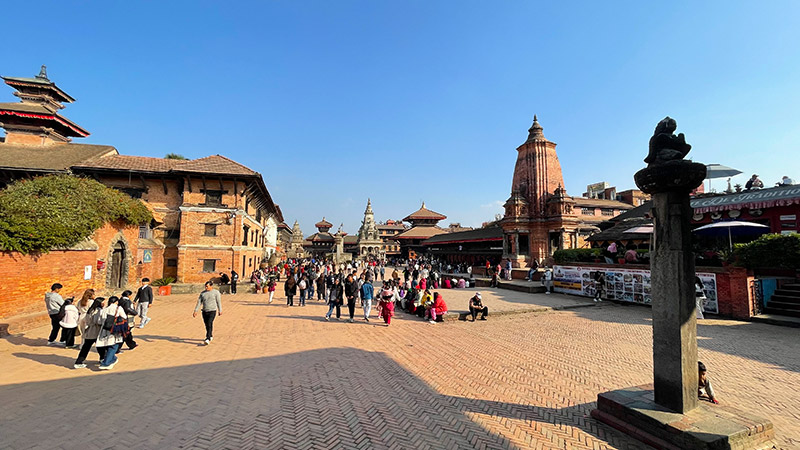
Bhaktapur Durbar Square is one of the most remarkable historical and cultural landmarks in Nepal. Located in the heart of Bhaktapur city, this ancient palace complex showcases centuries of Nepalese art, architecture, and craftsmanship.
The square was once the royal seat of the Malla kings and remains a living museum where temples, courtyards, and palaces reflect the glory of medieval Nepal. Visitors can experience traditional Newari culture, intricate wood carvings, and sacred temples all within a compact and beautifully preserved area.
Why Bhaktapur Durbar Square Is a UNESCO World Heritage Site
Bhaktapur Durbar Square is recognized as a UNESCO World Heritage Site for its outstanding universal value and exceptional preservation of Newari architecture. The site represents a unique blend of Hindu and Buddhist traditions, expressed through pagoda-style temples, stone sculptures, and detailed woodwork.
Its historical monuments, including royal palaces and religious shrines, illustrate the artistic and cultural achievements of the Malla period. Despite damage from past earthquakes, extensive restoration efforts have maintained the square’s authenticity, making it an important example of heritage conservation in Nepal.
Location and Historical Importance of Bhaktapur
Bhaktapur is located about 13 kilometers east of Kathmandu, within the Kathmandu Valley. Historically known as Khwopa, Bhaktapur was a major political, cultural, and trade center from the 12th to the 15th century. The city flourished under the Malla dynasty, becoming a hub for religion, architecture, and traditional crafts.
Bhaktapur Durbar Square served as the administrative and ceremonial center of the kingdom, playing a vital role in shaping the region’s history. Today, the square continues to preserve Bhaktapur’s legacy as a city of art, culture, and living traditions.
History of Bhaktapur Durbar Square
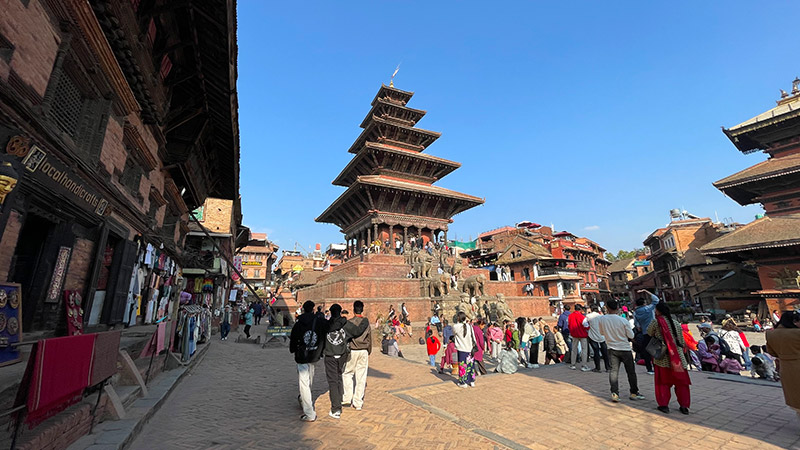
Origins and Early History of Bhaktapur
The origins of Bhaktapur date back to ancient times when it emerged as a significant settlement in the Kathmandu Valley. Historically known as Khwopa, the city developed as a planned urban center with a strong focus on religion, trade, and craftsmanship.
Its strategic location along trans Himalayan trade routes helped Bhaktapur grow into a prosperous city. Early rulers laid the foundation for a well organized town with temples, courtyards, and royal residences, which later evolved into the Bhaktapur Durbar Square we see today.
Malla Dynasty and the Golden Era of Architecture
Bhaktapur reached its cultural and architectural peak during the rule of the Malla dynasty, particularly between the 12th and 18th centuries. The Malla kings were great patrons of art, religion, and architecture, commissioning magnificent palaces, temples, and public squares.
Many of the iconic structures within Bhaktapur Durbar Square, including royal courtyards and pagoda style temples, were built during this golden era. The detailed wood carvings, stone sculptures, and metal works created at this time represent some of the finest examples of traditional Newari craftsmanship in Nepal.
Major Historical Events and Developments
Throughout its history, Bhaktapur experienced periods of political change, rivalry, and transformation. The division of the Kathmandu Valley into three kingdoms, Kathmandu, Patan, and Bhaktapur, led to competition that further enriched the city’s architectural heritage.
Later, the unification of Nepal under King Prithvi Narayan Shah brought Bhaktapur under a centralized rule, marking a shift in its political importance. Despite these changes, Bhaktapur Durbar Square continued to serve as a religious and cultural center for local communities.
Earthquake Impacts and Restoration Efforts
Bhaktapur Durbar Square has faced significant damage from major earthquakes, including the devastating earthquake of 2015. Several temples and palace structures were partially or completely destroyed, highlighting the vulnerability of historic monuments.
In response, extensive restoration and reconstruction efforts were undertaken with the support of local authorities, international organizations, and skilled artisans. These projects focused on using traditional materials and techniques to preserve the site’s original character. Today, Bhaktapur Durbar Square stands as a symbol of resilience and commitment to safeguarding Nepal’s cultural heritage for future generations.
Architecture and Artistic Highlights
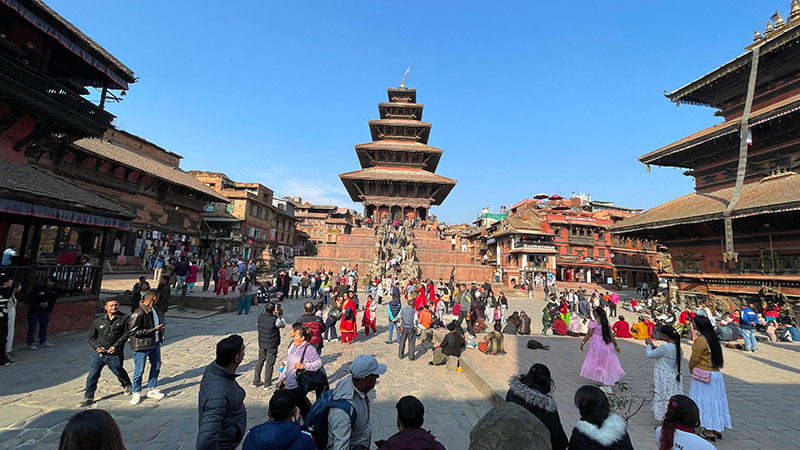
Traditional Newari Architecture Explained
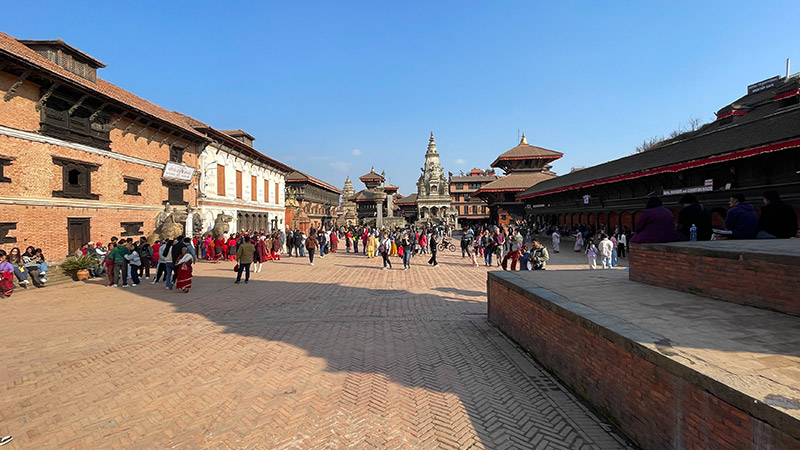
Traditional Newari architecture is one of the defining features of Bhaktapur Durbar Square. This architectural style is characterized by the use of red bricks, intricately carved wooden windows, doors, and struts, and tiered pagoda roofs.
Buildings are designed to blend religious symbolism with everyday life, creating a harmonious urban landscape. The craftsmanship reflects centuries old skills passed down through generations of Newar artisans, making Bhaktapur a prime example of Nepal’s architectural heritage.
Temples and Palaces Inside Bhaktapur Durbar Square
Bhaktapur Durbar Square is home to an impressive collection of temples and royal palaces that highlight the city’s historical importance. The former royal palace complex includes courtyards and ceremonial spaces once used by the Malla kings.
Surrounding the palace are sacred temples dedicated to Hindu deities, each showcasing unique architectural details. These monuments not only served religious and administrative purposes but also demonstrated the power and artistic vision of the rulers who commissioned them.
Wood Carvings, Stone Sculptures, and Metal Art
The artistic excellence of Bhaktapur Durbar Square is most visible in its detailed wood carvings, stone sculptures, and metal artworks. Wooden windows and struts feature finely carved images of gods, mythical creatures, and floral patterns.
Stone statues and temple guardians reflect strong religious symbolism, while metal works, including bells and decorative elements, display remarkable craftsmanship. Together, these art forms represent the highest achievements of traditional Newari artistry.
Importance of Courtyards and Pagoda-Style Temples
Courtyards play a central role in the layout of Bhaktapur Durbar Square, serving as spaces for religious ceremonies, royal gatherings, and daily social life. These open areas connect temples and palaces, creating a balanced and functional design.
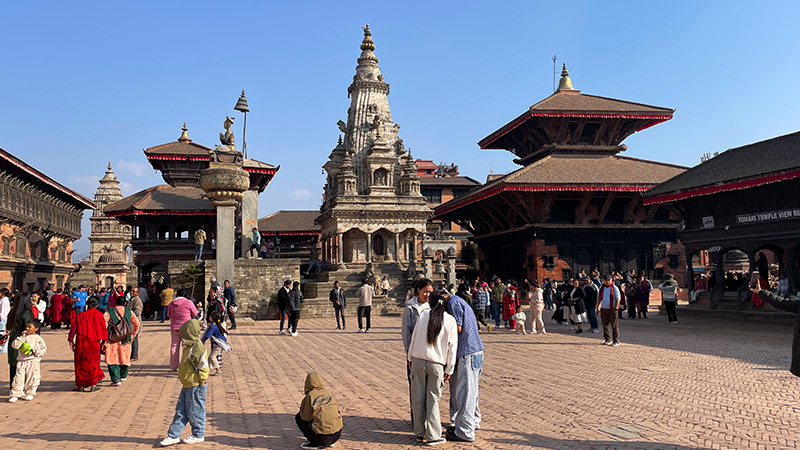
Pagoda style temples, with their multi tiered roofs and carved wooden supports, dominate the skyline of the square. They are not only architectural landmarks but also spiritual centers that continue to be actively used by local communities.
Explore Bhaktapur Durbar Square and enjoy a breathtaking sunrise in Nagarkot with our Nagarkot Sunrise View With Bhaktapur Day Tour. This one-day package covers all the highlights, making it perfect for travelers who want a complete cultural and scenic experience.
Book Your Tour Now
Major Attractions Inside Bhaktapur Durbar Square
55 Window Palace
The 55 Window Palace is one of the most iconic monuments in Bhaktapur Durbar Square and a masterpiece of Newari architecture. Built during the reign of King Bhupatindra Malla in the 18th century, the palace is famous for its beautifully carved wooden windows.
Each window reflects exceptional craftsmanship and artistic detail, symbolizing the cultural and political power of the Malla kings. The palace once served as the royal residence and remains a highlight for visitors interested in history and architecture.
Golden Gate (Sun Dhoka)
The Golden Gate, locally known as Sun Dhoka, is the main entrance to the former royal palace complex. Considered one of the finest examples of metal craftsmanship in Nepal, the gate is richly decorated with images of Hindu deities, mythical figures, and sacred symbols.
It was built during the reign of King Ranjit Malla and is admired for its detailed gold plated design. The Golden Gate holds both artistic and religious importance, making it one of the most photographed attractions in Bhaktapur.
Vatsala Temple and Stone Bell
The Vatsala Temple is a stone temple dedicated to Goddess Vatsala, built in the Shikhara style, which is less common in the Kathmandu Valley. Nearby stands the Stone Bell, a massive bell made from a single piece of stone. The bell was traditionally rung during royal rituals and religious ceremonies. Although the temple was damaged in past earthquakes, restoration efforts continue to preserve its historical value and significance within the square.
Nyatapola Temple and Bhairabnath Temple
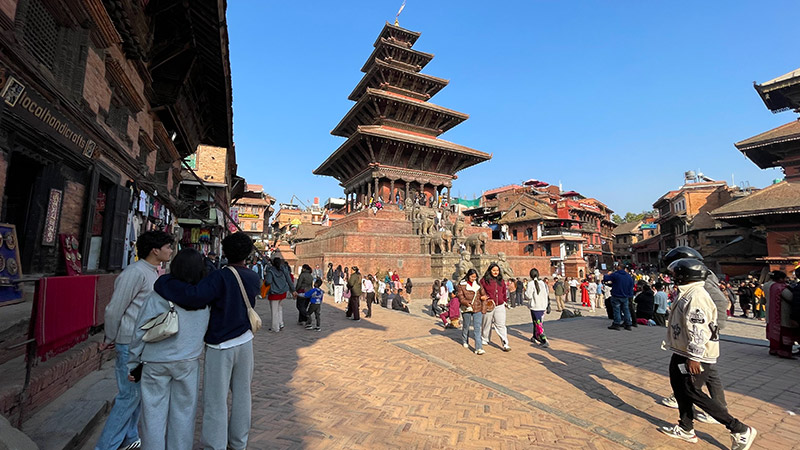
Nyatapola Temple is one of the tallest and most impressive pagoda style temples in Nepal. Located near Bhaktapur Durbar Square at Taumadhi Square, it is closely associated with the heritage of the area and often visited as part of a Durbar Square tour.
Dedicated to Goddess Siddhi Lakshmi, the temple is known for its five tiered structure and symbolic guardians on each level. Nearby, the Bhairabnath Temple is dedicated to Lord Bhairab and plays an important role during local festivals and rituals, adding to the spiritual atmosphere of the area.
National Art Gallery
The National Art Gallery is housed within the former royal palace complex and showcases a rich collection of traditional and classical Nepalese art. The gallery features ancient paintings, manuscripts, sculptures, and historical artifacts that reflect the cultural heritage of Bhaktapur and the Kathmandu Valley.
A visit to the National Art Gallery provides deeper insight into the artistic traditions and religious practices that shaped Bhaktapur Durbar Square over the centuries.
Religious and Cultural Significance
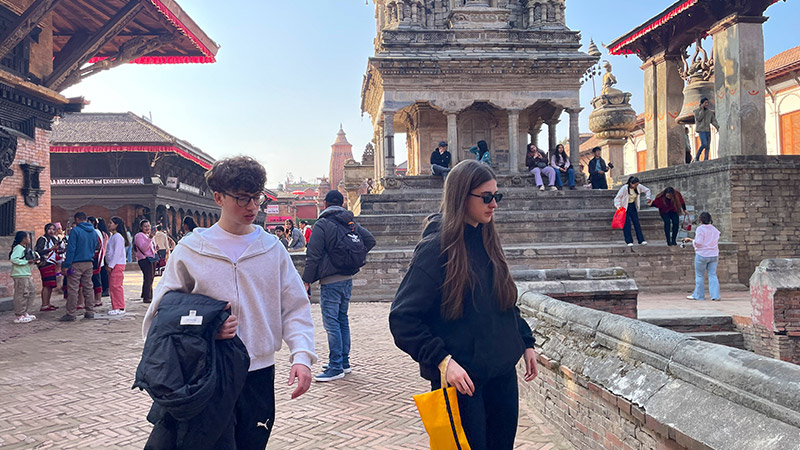
Hindu and Buddhist Influence in Bhaktapur
Bhaktapur Durbar Square reflects a deep and harmonious blend of Hindu and Buddhist traditions that have shaped the cultural identity of the city for centuries. Most temples within the square are dedicated to Hindu deities such as Shiva, Vishnu, and various forms of the Goddess, while Buddhist influences can be seen in symbolic carvings, rituals, and nearby monasteries.
This coexistence of religions is a defining feature of Newari culture, where shared festivals, rituals, and artistic expressions continue to connect both belief systems.
Role of Bhaktapur Durbar Square in Local Traditions
Bhaktapur Durbar Square has long been the social, religious, and ceremonial center of the city. Traditionally, it served as the venue for royal ceremonies, public gatherings, and important religious events. Even today, the square remains an active cultural space where locals perform daily पूजा, religious processions, and traditional rituals.
The continued use of the square by the local community has helped preserve Bhaktapur’s living heritage, making it more than just a historical monument.
Festivals Celebrated in Bhaktapur Durbar Square
Several major festivals are celebrated in and around Bhaktapur Durbar Square, bringing the area to life with music, colors, and religious devotion. Bisket Jatra, the Nepali New Year festival, is one of the most significant events, featuring chariot processions and traditional celebrations.
Other important festivals include Dashain, Tihar, and Indra Jatra, during which temples become central gathering points for worship and cultural performances. These festivals offer visitors a unique opportunity to experience the spiritual and cultural vibrancy of Bhaktapur firsthand.
Bhaktapur Durbar Square Visitor Guide
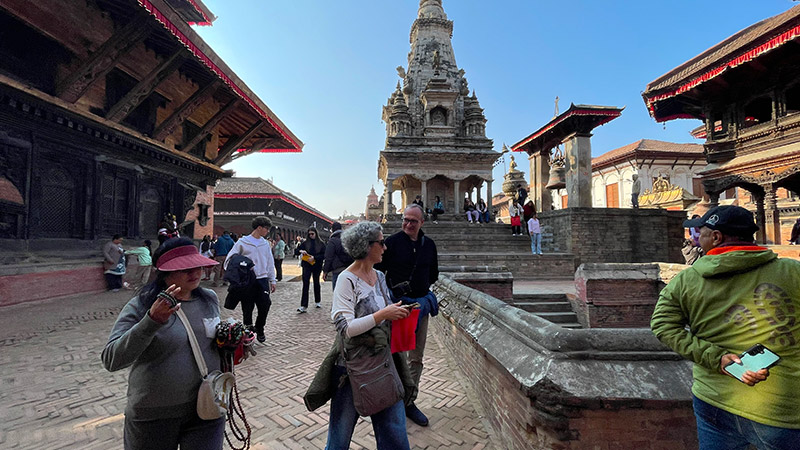
Entry Fee and Ticket Information
Visitors are required to purchase an entry ticket to access Bhaktapur Durbar Square, as it is a protected heritage site. The entry fee generally applies to foreign nationals, while SAARC citizens and Nepali visitors have separate rates.
Tickets are usually valid for multiple days, allowing visitors to explore the square at a relaxed pace. The ticket counter is located at the main entrance of the square, and visitors are advised to keep the ticket with them at all times, as it may be checked inside the heritage area.
Opening Hours and Best Time to Visit
Bhaktapur Durbar Square is open daily, typically from early morning until evening. Since it is an open public square, visitors can enter throughout the day, although ticket counters operate during standard hours.
The best time to visit is in the morning or late afternoon when the weather is pleasant and the light is ideal for photography. Spring (March to May) and autumn (September to November) are considered the best seasons due to clear skies, mild temperatures, and frequent cultural activities.
How to Reach Bhaktapur Durbar Square from Kathmandu
Bhaktapur Durbar Square is located about 13 kilometers east of Kathmandu and is easily accessible by road. Visitors can reach Bhaktapur by taxi, private vehicle, or local bus from Kathmandu. Public buses and microbuses regularly depart from Ratna Park and other major transport hubs.
The journey usually takes 40 to 60 minutes, depending on traffic conditions. From the bus stop or parking area in Bhaktapur, the Durbar Square is within walking distance.
Guided Tours vs Independent Visit
Visitors can explore Bhaktapur Durbar Square either independently or with a licensed guide. An independent visit allows flexibility and time to explore at your own pace, making it suitable for travelers who enjoy self guided discovery.
Guided tours, on the other hand, provide deeper insight into the history, architecture, and cultural significance of the monuments. A knowledgeable guide can explain hidden details, religious symbolism, and local traditions, enhancing the overall experience. For first time visitors or those interested in cultural depth, a guided tour is highly recommended.
Best Time to Visit Bhaktapur Durbar Square
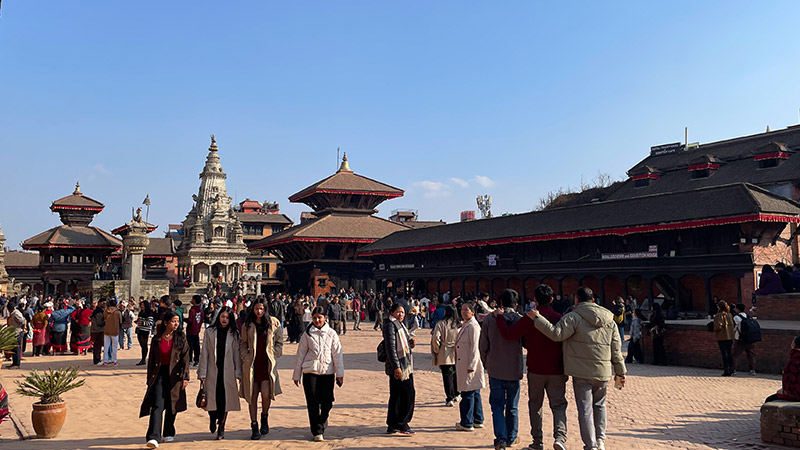
Weather Conditions Throughout the Year
Bhaktapur experiences a mild climate for most of the year, making Bhaktapur Durbar Square a year round destination. Spring (March to May) offers warm temperatures and blooming surroundings, while summer (June to August) brings the monsoon season with occasional heavy rainfall.
Autumn (September to November) is characterized by clear skies and pleasant weather, and winter (December to February) is generally cool and dry, with colder mornings and evenings. Weather conditions can influence crowd levels and visibility, especially during the monsoon months.
Best Season for Sightseeing and Photography
The best seasons for sightseeing and photography at Bhaktapur Durbar Square are spring and autumn. During these months, the weather is comfortable, and natural light enhances the intricate details of temples and palaces.
Autumn is particularly popular due to clear skies and festive energy, while spring offers softer light and fewer crowds. Early mornings and late afternoons are ideal for capturing architectural details and experiencing the square in a calmer atmosphere.
Festivals and Special Events to Experience
Visiting Bhaktapur Durbar Square during local festivals offers a unique cultural experience. Major events such as Bisket Jatra, celebrated around the Nepali New Year, fill the square with traditional music, chariot processions, and vibrant rituals.
Other festivals like Dashain, Tihar, and Indra Jatra also bring religious ceremonies and cultural performances to the area. These occasions provide visitors with a deeper understanding of Bhaktapur’s living traditions and spiritual life.
Things to Do Around Bhaktapur Durbar Square
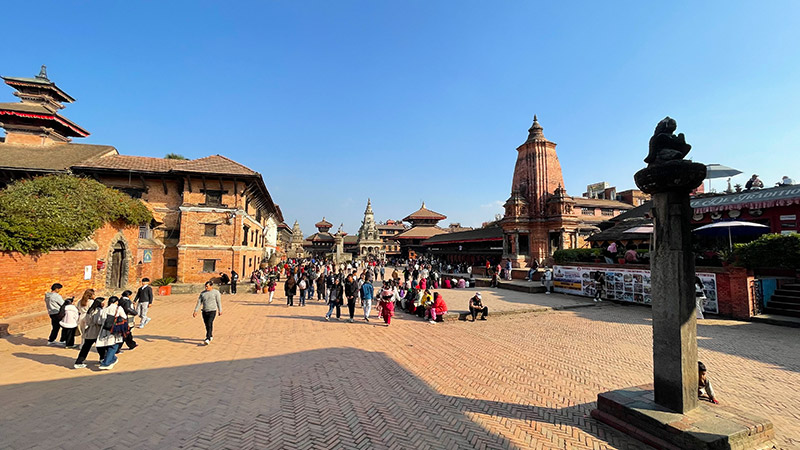
Exploring Pottery Square and Local Streets
Pottery Square is one of the most fascinating areas to explore near Bhaktapur Durbar Square. This traditional square is where local artisans continue the age old practice of making clay pots using hand spun wheels and open air kilns.
Walking through the surrounding narrow streets offers insight into daily Newari life, with traditional houses, small temples, and local workshops lining the alleys. Exploring this area allows visitors to experience Bhaktapur beyond its monuments.
Tasting Traditional Newari Cuisine
Bhaktapur is well known for its rich Newari cuisine, which reflects centuries of culinary tradition. Visitors can enjoy local dishes such as Juju Dhau, the famous king curd, along with traditional snacks and meals served in local restaurants and family run eateries.
Tasting authentic Newari food near Bhaktapur Durbar Square is an essential part of the cultural experience and provides a deeper connection to the city’s heritage.
Shopping for Handicrafts and Souvenirs
The area around Bhaktapur Durbar Square is ideal for shopping for traditional handicrafts and souvenirs. Local shops and street vendors sell handmade pottery, wood carvings, metal statues, thanka paintings, and traditional masks. These items are often produced by local artisans using traditional techniques, making them meaningful souvenirs that reflect Bhaktapur’s artistic legacy.
Cultural Walks and Photography Tours
Bhaktapur Durbar Square and its surrounding neighborhoods are perfect for cultural walks and photography tours. Guided cultural walks offer valuable insight into the city’s history, architecture, and living traditions. Photography enthusiasts will find endless opportunities to capture temples, daily life, and intricate architectural details.
Early mornings and late afternoons provide the best light and a quieter atmosphere for exploring and photography.
Travel Tips for Visiting Bhaktapur Durbar Square
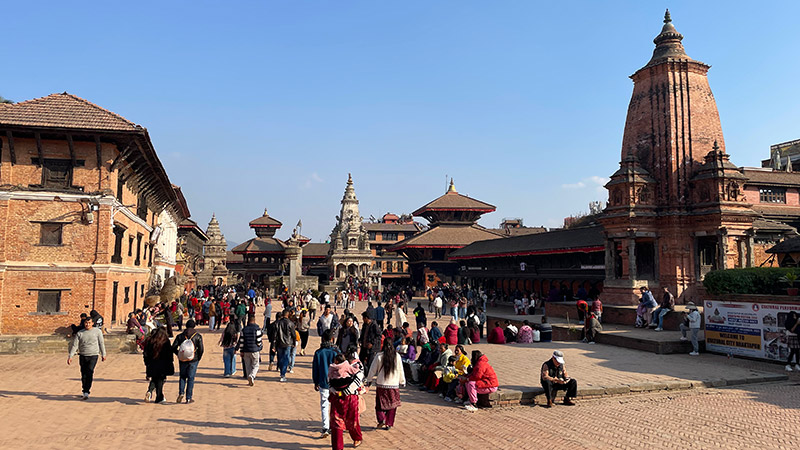
Dress Code and Cultural Etiquette
When visiting Bhaktapur Durbar Square, it is important to dress respectfully, as the area is an active religious and cultural site. Visitors are advised to wear modest clothing that covers shoulders and knees, especially when entering temples or participating in religious events.
Removing shoes before entering temple premises is customary. Showing respect to local traditions, avoiding loud behavior, and asking permission before photographing people help create a positive cultural exchange.
Photography Rules and Guidelines
Photography is generally allowed in Bhaktapur Durbar Square, and the area offers excellent opportunities for capturing historic architecture and daily life. However, photography inside certain temples, museums, or religious spaces may be restricted.
Visitors should look for posted signs or ask local authorities before taking photos indoors. Using drones is typically not permitted without special authorization. Being mindful of worshippers and religious ceremonies is essential when photographing sacred spaces.
Safety Tips and Responsible Tourism
Bhaktapur Durbar Square is considered safe for visitors, but basic precautions are always recommended. Keeping personal belongings secure, staying aware of surroundings, and following local guidelines help ensure a smooth visit.
Responsible tourism practices, such as not touching ancient carvings, avoiding littering, and respecting restricted areas, play a vital role in preserving the heritage site. Supporting local businesses and artisans also contributes positively to the local economy.
Accessibility and Facilities for Visitors
Facilities around Bhaktapur Durbar Square include ticket counters, information centers, restrooms, cafes, and local restaurants. While the square is mostly walkable, some areas have uneven stone pathways, which may be challenging for visitors with limited mobility.
Access to certain temples and museums involves stairs. Visitors requiring assistance are advised to plan ahead and consider guided tours for a more comfortable and informative experience.
Nearby Attractions to Combine with Bhaktapur Durbar Square
Dattatreya Square
Dattatreya Square is one of the oldest and most peaceful areas of Bhaktapur, located a short walk from Bhaktapur Durbar Square. The square is centered around the Dattatreya Temple, which is dedicated to a combined form of Brahma, Vishnu, and Shiva.
Surrounded by traditional houses, monasteries, and wood carving workshops, Dattatreya Square offers a quieter and more authentic glimpse into Newari culture and daily life.
Taumadhi Square
Taumadhi Square is another major cultural landmark in Bhaktapur and is easily accessible from the Durbar Square area. The square is home to the impressive Nyatapola Temple, one of the tallest pagoda style temples in Nepal, and the Bhairabnath Temple.
Taumadhi Square is often lively, with locals, visitors, and religious activities creating a vibrant atmosphere. It is an essential stop when exploring Bhaktapur’s historic core.
Changunarayan Temple
Changunarayan Temple is located on a hilltop northeast of Bhaktapur and is considered one of the oldest Hindu temples in Nepal. Dedicated to Lord Vishnu, the temple is also a UNESCO World Heritage Site. It features ancient stone inscriptions, sculptures, and traditional architecture.
Changunarayan can be easily combined with a visit to Bhaktapur Durbar Square, offering both cultural insight and scenic views of the Kathmandu Valley.
Nagarkot Sunrise Viewpoint
Nagarkot is a popular hill station located about an hour’s drive from Bhaktapur. It is famous for its panoramic sunrise views over the Himalayan range, including views of Mount Everest on clear days. Combining Bhaktapur Durbar Square with a visit to Nagarkot allows travelers to experience both cultural heritage and natural beauty.
Many visitors choose to stay overnight in Nagarkot or visit early in the morning for the sunrise experience.
Frequently Asked Questions About Bhaktapur Durbar Square
Is Bhaktapur Durbar Square worth visiting?
Absolutely. Bhaktapur Durbar Square is a must-visit destination in Nepal, offering a unique combination of history, culture, and architecture. Its beautifully preserved palaces, temples, courtyards, and artistic details provide visitors with an immersive experience of medieval Nepalese heritage. It’s ideal for history enthusiasts, culture lovers, and photographers.
How much time is needed to explore Bhaktapur Durbar Square?
To fully experience Bhaktapur Durbar Square, visitors typically need 2 to 4 hours. This allows time to explore the main monuments, take photographs, visit nearby squares like Dattatreya and Taumadhi, and enjoy local culture without rushing. If you plan to include nearby attractions like Pottery Square or small museums, a half-day visit is recommended.
Can you visit Bhaktapur Durbar Square in one day?
Yes, Bhaktapur Durbar Square can easily be visited in a single day, especially if you are coming from Kathmandu. Combining it with other nearby attractions such as Changunarayan Temple, Taumadhi Square, and local streets for food and handicraft shopping can make for a full and satisfying day trip.
Is Bhaktapur Durbar Square suitable for family travel?
Definitely. Bhaktapur Durbar Square is family-friendly, offering open spaces for walking and exploring, cultural experiences, and educational opportunities for children. Families can enjoy sightseeing, tasting traditional Newari food, and observing local festivals or rituals. However, visitors with small children should be cautious of uneven stone pathways and crowded areas during peak seasons.
Conclusion
Summary of Historical and Cultural Importance
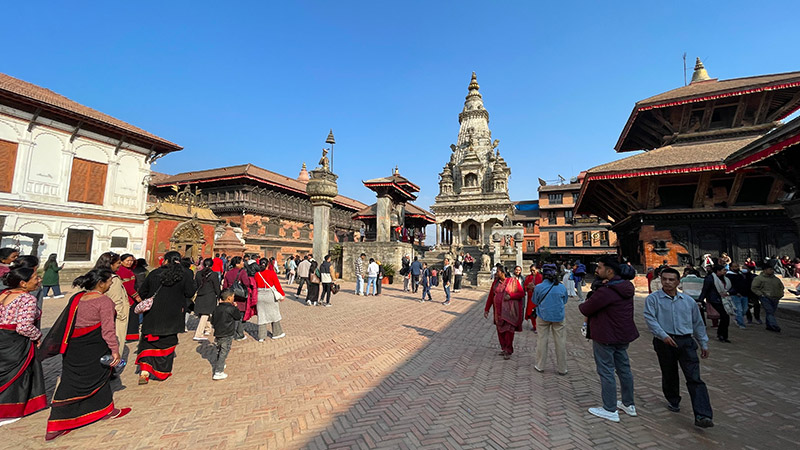
Bhaktapur Durbar Square stands as a testament to Nepal’s rich history, architectural brilliance, and vibrant culture. From the intricately carved 55 Window Palace and the Golden Gate to the towering pagoda temples, the square showcases the mastery of Newari artisans and the legacy of the Malla dynasty.
Beyond its architectural marvels, the square remains a living heritage site where religious rituals, festivals, and daily life continue to thrive, preserving centuries of tradition for visitors to experience.
Why Bhaktapur Durbar Square Should Be on Your Nepal Itinerary
Bhaktapur Durbar Square is a must-visit destination for anyone traveling to Nepal. Its combination of history, culture, art, and local life provides a unique window into the country’s heritage. Whether you are a history enthusiast, a photographer, or a cultural explorer, the square offers an unforgettable experience.
Pairing it with nearby attractions like Taumadhi Square, Pottery Square, and Nagarkot enhances the visit, making it an essential stop on your Nepal itinerary.
Don’t just read about Bhaktapur Durbar Square, experience it in person! Join our Nagarkot Sunrise View With Bhaktapur Day Tour and explore the historic palaces, temples, and local culture, plus witness a stunning sunrise over the Himalayas.
Reserve Your Spot Today