
Introduction to Patan Durbar Square
Overview of Patan Durbar Square
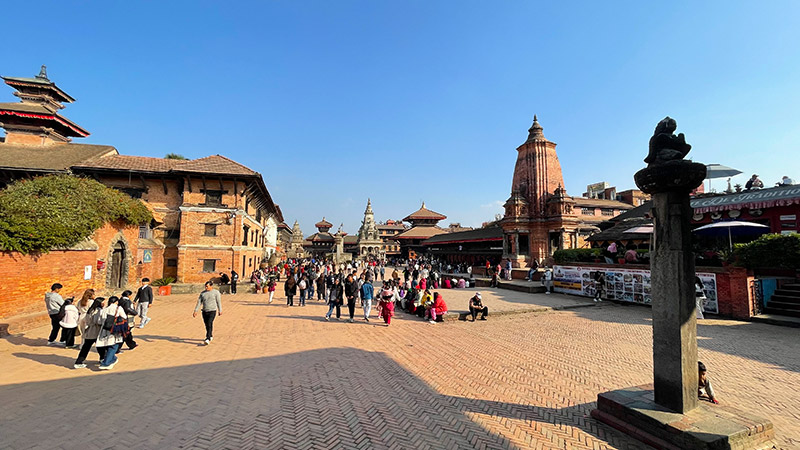
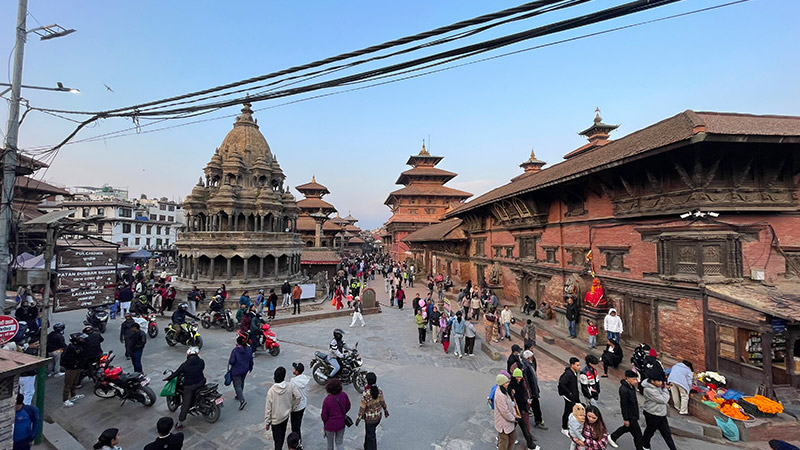
Patan Durbar Square is one of the most historic and culturally rich landmarks in the Kathmandu Valley, located in the heart of Lalitpur, also known as Patan. This ancient palace square was once the royal residence of the Malla kings and today stands as a living museum of traditional Newari art, architecture, and craftsmanship. The square is filled with beautifully carved temples, courtyards, statues, and palaces that reflect centuries of artistic excellence.
Often considered more refined and less crowded than Kathmandu Durbar Square, Patan Durbar Square offers visitors a peaceful yet deeply immersive cultural experience. From intricately carved wooden windows to stone temples and bronze sculptures, every corner of the square tells a story of Nepal’s glorious past. It is a must-visit destination for travelers interested in history, architecture, religion, and authentic local life.
Why Patan Durbar Square Is a UNESCO World Heritage Site
Patan Durbar Square was designated a UNESCO World Heritage Site in 1979 as part of the Kathmandu Valley World Heritage listing. This recognition highlights its outstanding universal value as a center of ancient urban civilization and traditional craftsmanship. The square represents the highest achievements of Newari architecture and city planning, developed between the 12th and 18th centuries.
The site is home to numerous Hindu and Buddhist monuments that exist side by side, showcasing Nepal’s unique religious harmony. Its well-preserved royal palace complex, ceremonial courtyards, and historic temples provide exceptional insight into the social, cultural, and political life of the Malla period. Despite natural disasters and the passage of time, Patan Durbar Square continues to be carefully restored and actively used by the local community, making it not just a heritage site, but a living cultural center.
History of Patan Durbar Square
Ancient Origins of Patan (Lalitpur)
Patan, officially known as Lalitpur, is believed to be one of the oldest cities in the Kathmandu Valley. Its origins date back over two thousand years, with strong historical links to the Kirat period and later to the Licchavi dynasty. The name Lalitpur means “City of Beauty,” reflecting its long-standing reputation as a center of art, craftsmanship, and refined urban culture.
Archaeological records, stone inscriptions, and ancient legends suggest that Patan was carefully planned as a city of artisans, traders, and religious scholars. Its strategic location along historic trade routes helped the city flourish economically and culturally, laying the foundation for the development of Patan Durbar Square as a royal, religious, and social hub.
Malla Dynasty and Golden Age of Architecture
The true transformation of Patan Durbar Square took place during the Malla dynasty, between the 12th and 18th centuries. The Malla kings were great patrons of art and architecture, and under their rule, Patan reached its golden age. Many of the temples, palaces, and courtyards seen today were built or expanded during this period.
The Malla rulers commissioned skilled Newari craftsmen to create intricate wooden carvings, stone sculptures, and metal statues, setting new standards of artistic excellence. Iconic structures such as Krishna Mandir and the royal palace complex stand as masterpieces of this era. The harmonious layout of temples and courtyards reflects the Malla vision of combining religious devotion with royal grandeur.
Cultural and Religious Significance
Patan Durbar Square holds immense cultural and religious importance for both Hindus and Buddhists. The square is a rare example of religious coexistence, where Hindu temples and Buddhist monasteries exist within the same historic space. Daily rituals, festivals, and traditional ceremonies continue to take place, preserving centuries-old customs.
The square has long served as a venue for royal ceremonies, religious festivals, and public gatherings. Events such as Krishna Janmashtami and other local celebrations bring the area to life, attracting both devotees and visitors. Beyond its architectural beauty, Patan Durbar Square remains a living cultural center, deeply connected to the identity and spiritual life of the local Newari community.
Architecture and Art of Patan Durbar Square

Newari Architecture and Craftsmanship
The architecture of Patan Durbar Square is a remarkable example of traditional Newari design, developed and refined over centuries. Newari architecture is known for its balanced proportions, tiered pagoda roofs, brick structures, and richly decorated wooden elements. Buildings are designed not only for beauty but also for religious symbolism and community life.
Skilled Newari artisans played a vital role in shaping the square, passing their techniques from generation to generation. Intricate carvings of gods, goddesses, mythical creatures, and floral patterns can be seen on windows, doors, and roof struts. These details reflect both spiritual beliefs and everyday life, making Patan Durbar Square an open-air gallery of Nepalese art.
Stone, Wood, and Metal Art Traditions
Patan has long been famous for its mastery of stone, wood, and metal craftsmanship. Stone sculptures found throughout the square date back to the Licchavi and Malla periods and are admired for their fine detail and expressive forms. These statues often depict Hindu deities, Buddhist figures, and protective guardians.
Wood carving is another defining feature of the square. Delicately carved windows and temple struts showcase extraordinary skill and storytelling through art. In addition, Patan is renowned for its metalwork, especially bronze and copper statues created using traditional lost-wax casting techniques. Many of Nepal’s finest metal sculptures originated in Patan, earning the city its reputation as a center of sacred art.
Courtyards and Royal Palace Complex
At the heart of Patan Durbar Square lies the royal palace complex, once home to the Malla kings of Patan. The palace is surrounded by a series of historic courtyards, locally known as chowks, each with its own purpose and architectural character. These courtyards served as spaces for royal ceremonies, religious rituals, and daily palace life.
Notable courtyards such as Mul Chowk and Sundari Chowk are celebrated for their elegant design and artistic details. Sundari Chowk, in particular, is known for its sunken water tank and refined stone carvings. Together, the palace buildings and courtyards provide deep insight into the royal lifestyle, artistic vision, and urban planning traditions of medieval Nepal.
Major Attractions and Things to See in Patan Durbar Square

Krishna Mandir
Krishna Mandir is the most iconic landmark of Patan Durbar Square and a masterpiece of stone architecture. Built in the 17th century by King Siddhi Narsingh Malla, this temple is dedicated to Lord Krishna. Unlike the traditional pagoda-style temples of Nepal, Krishna Mandir is constructed entirely of stone in the Shikhara style, influenced by Indian temple architecture.
The temple features 21 golden pinnacles and beautifully carved stone pillars depicting scenes from the Mahabharata and Ramayana. During Krishna Janmashtami, the birthplace celebration of Lord Krishna, thousands of devotees gather here, making it one of the most important religious sites in Patan.
Hiranya Varna Mahavihar (Golden Temple)
Hiranya Varna Mahavihar, commonly known as the Golden Temple, is one of the most sacred Buddhist sites in Patan. Located just a short walk from the main square, this three-story monastery dates back to the 12th century and is dedicated to Lord Buddha.
The temple complex is richly decorated with gold-plated images, prayer wheels, statues of deities, and intricate metalwork. Monks perform daily rituals here, creating a peaceful spiritual atmosphere. The Golden Temple is also an important center for Newari Buddhism and attracts pilgrims and visitors interested in Buddhist art and culture.
Bhimsen Temple
The Bhimsen Temple is dedicated to Bhimsen, a deity associated with trade and commerce. Historically, Bhimsen was especially revered by merchants and traders, making this temple an important symbol of Patan’s commercial past.
The temple follows the traditional pagoda style and features detailed wooden carvings and a strong stone base. Local worshippers continue to visit the temple, offering prayers for prosperity and success, keeping the site culturally active even today.
Taleju Bhawani Temple
Taleju Bhawani Temple is one of the most sacred and historically significant temples in Patan Durbar Square. Dedicated to Goddess Taleju, the royal deity of the Malla kings, this temple was closely linked to the royal palace and state rituals.
Access to the temple is restricted, and it is opened to the public only during specific festivals. Its towering structure and artistic details highlight its importance in royal and religious traditions, adding to the spiritual depth of the square.
Patan Museum
Located within the former royal palace complex, the Patan Museum is widely regarded as one of the finest museums in South Asia. The museum houses an exceptional collection of traditional Nepalese art, including bronze statues, religious objects, and historical artifacts.
The exhibits are well organized and clearly explained, offering visitors valuable insight into Hindu and Buddhist iconography, as well as the history of Patan. The museum also plays a key role in heritage conservation and education, making it a must-visit attraction within the square.
Mul Chowk and Sundari Chowk
Mul Chowk and Sundari Chowk are two of the most beautiful and historically important courtyards within the Patan royal palace complex. Mul Chowk was primarily used for royal ceremonies and religious rituals, especially those related to the worship of Taleju Bhawani.
Sundari Chowk is known for its refined stone architecture and the elegant sunken water tank at its center. The detailed carvings and balanced design reflect the artistic excellence of the Malla period. Together, these courtyards provide a deeper understanding of royal life and architectural planning in medieval Patan.
Entry Fee and Opening Hours

Entry Fee for Foreign Nationals
Foreign visitors are required to pay an entry fee to visit Patan Durbar Square, as it is a protected UNESCO World Heritage Site. The ticket allows access to the main square, palace area, courtyards, and monuments within the complex. The revenue collected from entry fees is used for heritage conservation, maintenance, and restoration work.
Entry tickets are usually valid for the entire day, allowing visitors to explore the square at a relaxed pace. Prices may change over time, so it is always a good idea to confirm the latest fee at the ticket counter.
Foreign Nationals: NPR 1,000
Entry Fee for SAARC Nationals
Visitors from SAARC countries receive a discounted entry fee compared to other foreign nationals. This reduced rate encourages regional tourism while still supporting the preservation of Patan Durbar Square.
SAARC visitors must present a valid passport at the ticket counter to receive the discounted rate. The access and visiting privileges remain the same as those for other international visitors.
SAARC Nationals: NPR 250
Entry Fee for Nepali Citizens
Nepali citizens can enter Patan Durbar Square free of charge or at a very minimal cost, depending on current regulations. A valid citizenship card or national ID is usually required for verification.
This policy allows local residents to stay closely connected with their cultural heritage and continue traditional religious and social activities within the square.
Opening Hours and Best Visiting Time
Patan Durbar Square is generally open daily from early morning until evening. While there is no strict closing time for the open square, museums and some inner courtyards operate during standard daytime hours, usually from morning to late afternoon.
The best time to visit Patan Durbar Square is during the morning or late afternoon, when the weather is pleasant and the lighting is ideal for photography. Visiting early also helps avoid crowds, especially during peak tourist seasons and festivals.
Best Time to Visit Patan Durbar Square

Best Season for Sightseeing
The best time to visit Patan Durbar Square is during the spring and autumn seasons, when the weather in the Kathmandu Valley is most comfortable for sightseeing. Spring, from March to May, offers clear skies, mild temperatures, and blooming flowers, making it ideal for walking around the square and exploring nearby attractions.
Autumn, from September to November, is considered the peak travel season in Nepal. During this period, the weather is dry, visibility is excellent, and cultural activities are at their best. These months provide perfect conditions for photography, guided tours, and relaxed exploration of Patan Durbar Square.
Festivals and Special Events
Patan Durbar Square becomes especially vibrant during traditional festivals and religious celebrations. One of the most important events is Krishna Janmashtami, celebrated in honor of Lord Krishna at Krishna Mandir. Thousands of devotees gather at the square, creating a lively and spiritual atmosphere.
Other festivals such as Indra Jatra, Dashain, Tihar, and local Newari festivals also bring music, rituals, and colorful processions to the area. Visiting during festival times offers a unique opportunity to experience living traditions, though the square can be more crowded than usual.
Weather Tips for Visitors
Weather plays an important role in planning a visit to Patan Durbar Square. Summers, from June to August, coincide with the monsoon season, bringing frequent rain and humid conditions. While the square remains open, visitors should carry rain protection and wear non-slip footwear.
Winter, from December to February, is generally dry but can be cold in the mornings and evenings. Dressing in layers is recommended during this time. Regardless of the season, comfortable walking shoes, sun protection, and drinking water will help ensure a pleasant and enjoyable visit.
How to Reach Patan Durbar Square

Location and Distance from Kathmandu
Patan Durbar Square is located in the center of Lalitpur city, in the southern part of the Kathmandu Valley. It lies approximately 5 kilometers south of central Kathmandu and is easily accessible from popular areas such as Thamel, Durbar Marg, and Lazimpat.
Due to its close proximity, visiting Patan Durbar Square can be comfortably combined with other UNESCO World Heritage Sites in the valley, making it an ideal stop on a Kathmandu sightseeing itinerary.
Transportation Options (Taxi, Local Bus, Private Vehicle)
Taxis are one of the most convenient ways to reach Patan Durbar Square from Kathmandu. They are widely available and offer a direct and comfortable journey, especially for first-time visitors. Ride-hailing services are also commonly used and provide clear pricing.
Local buses and microbuses operate frequently between Kathmandu and Patan. Visitors can take buses heading toward Patan, Lagankhel, or Jawalakhel and get off near Patan Durbar Square, followed by a short walk. This option is budget-friendly and offers a glimpse into local daily life.
Private vehicles are ideal for travelers seeking flexibility and comfort, particularly families or groups. Many guided day tours in Kathmandu include Patan Durbar Square as part of their itinerary, providing transportation, a professional guide, and a hassle-free experience.
Travel Tips for Visiting Patan Durbar Square

Dress Code and Cultural Etiquette
When visiting Patan Durbar Square, it is important to dress respectfully, as the area is an active religious and cultural site. Modest clothing that covers shoulders and knees is recommended, especially when entering temples or walking near places of worship.
Visitors should remove their shoes before entering temples and avoid touching religious statues or offerings. Showing respect to local customs, monks, priests, and worshippers helps create a positive experience and reflects appreciation for Nepal’s cultural traditions.
Photography Guidelines
Patan Durbar Square is a popular destination for photography due to its historic architecture and vibrant daily life. Photography is generally allowed in open areas of the square, but restrictions may apply inside temples, museums, and certain courtyards.
Visitors should always look for posted signs and ask for permission before photographing monks, local residents, or religious ceremonies. Using flash photography inside temples or museums is often prohibited, so it is best to follow guidelines to protect artifacts and respect sacred spaces.
Safety and Local Etiquette
Patan Durbar Square is considered safe for tourists, but basic travel precautions are always recommended. Visitors should keep personal belongings secure, especially in crowded areas and during festivals.
Respectful behavior is highly valued. Avoid loud conversations, public displays of affection, and walking in restricted areas. Walking clockwise around temples, as locals do, is a simple gesture that shows cultural awareness and respect. By following these practices, visitors can enjoy a safe and meaningful visit to Patan Durbar Square.
Nearby Attractions to Explore
Mahabouddha Temple
Mahabouddha Temple, also known as the “Great Buddha Temple,” is located just a short distance from Patan Durbar Square. Famous for its unique terracotta brickwork, the temple features over 1,000 small Buddha images intricately carved on its walls, creating a mesmerizing mosaic effect. This 14th-century temple is an excellent example of Newari craftsmanship and offers visitors a peaceful environment for reflection and photography.
Kumbeshwar Temple
Kumbeshwar Temple is one of the oldest and largest Shiva temples in the Kathmandu Valley, dating back to the 14th century. Located near Patan Durbar Square, it is known for its five-tiered pagoda architecture and sacred water tank, which is used during religious ceremonies. The temple attracts both devotees and tourists, particularly during Shivaratri, when vibrant celebrations take place.
Local Markets and Handicraft Shops
The area surrounding Patan Durbar Square is home to bustling local markets and traditional handicraft shops. Visitors can explore streets lined with shops selling hand-carved wooden items, bronze statues, Thangka paintings, pottery, and other authentic Nepalese crafts. These markets are perfect for picking up souvenirs, observing local artisans at work, and experiencing the daily life and culture of Patan.
Patan Durbar Square as Part of a Kathmandu Day Tour
Why Include Patan Durbar Square in Your Itinerary
Patan Durbar Square is a must-visit destination for anyone exploring the Kathmandu Valley because it offers a rich combination of history, culture, and art in a single location. Including it in your itinerary allows travelers to experience centuries-old Newari architecture, sacred temples, and vibrant local life without having to travel far from Kathmandu.
The square also provides a unique opportunity to witness the harmonious coexistence of Hinduism and Buddhism, making it an essential cultural and spiritual experience. Whether you are a history enthusiast, architecture lover, or photographer, Patan Durbar Square adds depth and authenticity to any Kathmandu sightseeing tour.
Guided Tour vs Independent Visit
Visitors can explore Patan Durbar Square independently or opt for a guided tour, depending on their preferences.
Guided Tour: A professional guide can provide historical context, explain architectural details, and share fascinating stories about the Malla kings, religious practices, and local traditions. This is ideal for first-time visitors or those who want a deeper understanding of the square’s significance.
Independent Visit: For travelers who enjoy exploring at their own pace, independent visits offer flexibility to linger in courtyards, take photos, and interact with locals. Maps, mobile apps, and informational plaques around the square make self-guided exploration easy and informative.
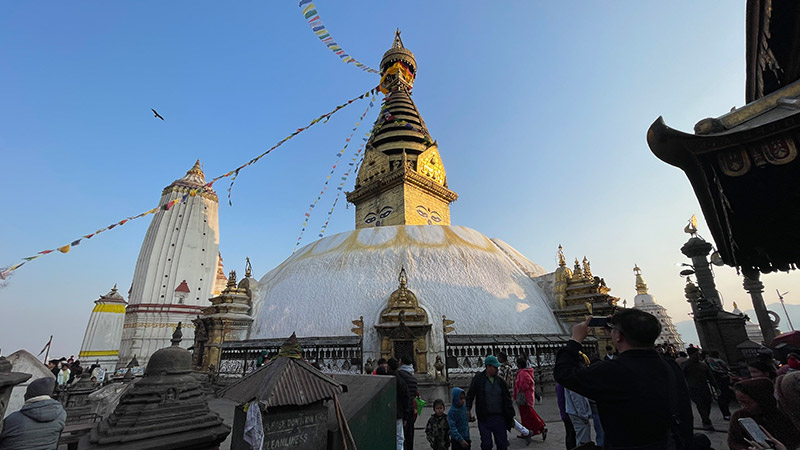
Combining Patan Durbar Square with nearby attractions like Bhaktapur Durbar Square or Swayambhunath Stupa in a full-day tour maximizes your experience of the Kathmandu Valley’s rich cultural heritage.
Conclusion: Why Patan Durbar Square Is a Must-Visit in Nepal
Final Thoughts for Travelers
Patan Durbar Square is more than just a historic site, it is a vibrant cultural heart of Lalitpur, offering visitors a glimpse into Nepal’s rich artistic, religious, and royal heritage. From its intricately carved temples and majestic palaces to the daily rituals and lively markets, the square brings history to life in a way that few places can.
Visiting Patan Durbar Square allows travelers to appreciate centuries of Newari craftsmanship, experience both Hindu and Buddhist traditions, and enjoy the charm of a living heritage site. Whether you are exploring on your own or with a guided tour, this iconic landmark is an unforgettable destination that should be at the top of every Nepal itinerary.
By including Patan Durbar Square in your Kathmandu travels, you not only witness architectural and cultural masterpieces but also connect with the local history, spirituality, and artistry that make Nepal truly unique.
Visit Patan Durbar Square with Ease!
Join our 2 Days Kathmandu Valley Tour and experience the beauty and history of Patan Durbar Square hassle-free.
Reserve Your Spot Today