
Introduction to Swayambhunath
Overview of Swayambhunath Stupa
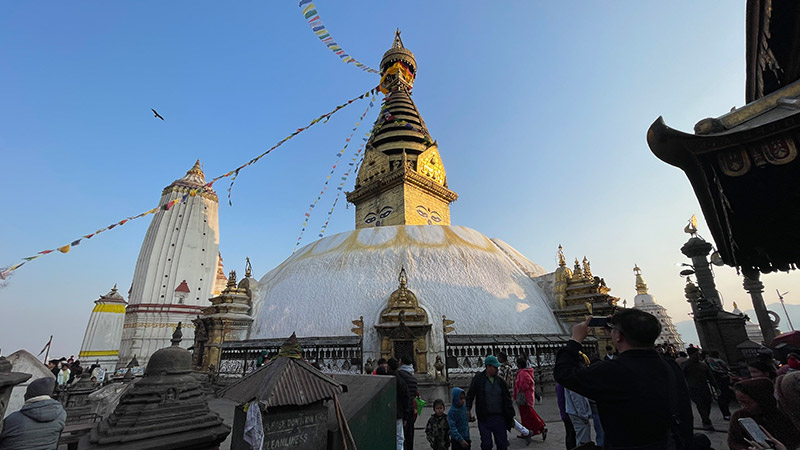
Swayambhunath, one of Nepal’s most iconic landmarks, is an ancient religious complex perched atop a hill in the Kathmandu Valley. Often referred to as the Swayambhunath Stupa, it is a symbol of peace, spirituality, and Nepalese culture. This stupa is believed to have been built over 2,000 years ago and is one of the oldest Buddhist stupas in Nepal. Its golden spire, white dome, and Buddha’s eyes painted on all four sides make it instantly recognizable and a favorite destination for both pilgrims and tourists.
Visitors to Swayambhunath can explore not just the stupa itself but also a complex of shrines, temples, and statues that reflect the rich Buddhist and Hindu heritage of Nepal. The stupa’s serene environment offers a spiritual retreat from the bustling streets of Kathmandu, making it a must-visit for anyone exploring the valley.
Why it is Called the Monkey Temple
Swayambhunath is popularly known as the Monkey Temple due to the large number of monkeys that inhabit the site. These playful monkeys, considered sacred by locals, roam freely around the temple complex. They are often seen near the stairs, shrines, and courtyards, adding a lively charm to the spiritual ambiance.
The nickname also reflects the temple’s connection with local folklore, where monkeys are regarded as protectors of the hill. While their presence can be entertaining, visitors are advised to respect the animals and avoid feeding them.
Location and Accessibility from Kathmandu
Swayambhunath is located on a hilltop in the western part of Kathmandu, offering panoramic views of the city and the surrounding valley. It is approximately 2.5 kilometers from Kathmandu Durbar Square, making it easily accessible for both tourists and locals.
Travelers can reach Swayambhunath by car, taxi, or even on foot. The climb to the stupa involves over 300 steps, but there are alternative paths for those who prefer a gentler ascent. Public transportation and guided tours are also available, allowing visitors to combine Swayambhunath with other nearby attractions in Kathmandu for a full-day cultural experience.
History of Swayambhunath

Origins and Ancient Legends
Swayambhunath has a history that spans over two millennia, making it one of Nepal’s oldest and most revered religious sites. According to ancient legends, the Kathmandu Valley was once a vast lake, and the hill where Swayambhunath now stands emerged spontaneously from the water. The name “Swayambhu” itself means “self-existent” or “self-created”, reflecting the belief that the stupa rose naturally without human intervention.
Over centuries, Swayambhunath became a center of spiritual learning and meditation, attracting Buddhist monks, scholars, and pilgrims from across the region. Its sacredness is intertwined with Hindu mythology as well, highlighting Nepal’s unique religious harmony where Buddhism and Hinduism coexist.
Role in Buddhism and Nepalese History
Swayambhunath has played a pivotal role in the spread of Buddhism in Nepal and the Himalayan region. It served as a hub for meditation, religious teachings, and the creation of sacred manuscripts. The stupa’s iconic Buddha eyes, painted on all four sides of the spire, symbolize the omnipresence of Buddha and his wisdom.
Throughout Nepalese history, kings and rulers have contributed to the stupa’s preservation and expansion, making it not only a religious site but also a cultural landmark. Festivals such as Buddha Jayanti and other religious ceremonies continue to attract thousands of devotees and tourists every year, keeping the spiritual and cultural significance of Swayambhunath alive.
UNESCO World Heritage Status
Swayambhunath is part of the Kathmandu Valley UNESCO World Heritage Sites, recognized for its outstanding universal value. UNESCO highlights the stupa as an exceptional example of Buddhist architecture and cultural heritage, representing the spiritual and historical traditions of Nepal.
Being a World Heritage Site ensures that Swayambhunath is protected, preserved, and promoted for future generations, making it not just a local treasure but an international symbol of Nepalese history and faith. Visitors can explore the complex knowing they are experiencing a site acknowledged for its global cultural significance.
Explore One Day Chandragiri & Swayambhunath Tour
Experience the perfect combination of spirituality and scenic beauty with our Chandragiri Hill and Swayambhunath Day Tour. Witness panoramic views from Chandragiri, explore the iconic Monkey Temple, and immerse yourself in Kathmandu’s rich culture, all in a single day. Book your tour now for a hassle-free and memorable experience.
Book the Chandragiri & Swayambhunath Day Tour Here
Religious and Spiritual Significance

Importance for Buddhists and Hindus
Swayambhunath holds deep spiritual importance for both Buddhists and Hindus, reflecting Nepal’s unique tradition of religious harmony. For Buddhists, it is one of the most sacred pilgrimage sites, believed to embody the self-created essence of Buddha. Monks and devotees from Nepal, Tibet, and other Himalayan regions visit to meditate, spin prayer wheels, and perform rituals.
For Hindus, Swayambhunath is also revered due to its association with ancient legends and deities. The site is a rare example of syncretism, where Buddhist and Hindu practices coexist peacefully, making it a spiritual center that attracts devotees from both faiths throughout the year.
Symbolism of the Stupa and Its Architecture
Every element of Swayambhunath’s architecture is symbolic. The white dome represents the world, while the golden spire symbolizes enlightenment. The Buddha eyes painted on all four sides signify wisdom and compassion, constantly watching over the valley below.
The 13-tiered spire represents the stages of spiritual enlightenment, guiding pilgrims on their path to self-realization. Prayer wheels, small shrines, and statues around the stupa allow devotees to engage in devotional acts, each element carrying centuries of spiritual meaning. The overall design not only conveys religious teachings but also provides a serene and contemplative environment for visitors.
Rituals, Prayers, and Festivals at Swayambhunath
Swayambhunath is a hub of daily spiritual activity. Monks and pilgrims perform prayers, circumambulations, and lighting of butter lamps. Devotees spin the numerous prayer wheels clockwise while chanting mantras, a practice believed to accumulate merit and purify negative karma.
Major festivals such as Buddha Jayanti (celebrating the birth of Buddha) and Gunla attract thousands of worshippers. During these times, the temple complex comes alive with rituals, music, and offerings. Even during regular days, the site offers a tranquil and meditative atmosphere, making it a spiritual retreat within bustling Kathmandu.
Architecture and Key Features

The Stupa and Its Golden Dome
The centerpiece of Swayambhunath is the majestic stupa, crowned with a gleaming golden dome that can be seen from across the Kathmandu Valley. The white dome represents purity, while the golden spire symbolizes spiritual enlightenment and the path to Nirvana. The stupa’s 13-tiered spire represents the stages of enlightenment, guiding pilgrims on their spiritual journey.
The architectural design of Swayambhunath reflects centuries of Buddhist artistry and Nepalese craftsmanship, making it both a religious monument and an architectural marvel. The stupa has been carefully preserved and renovated over time, blending ancient tradition with modern restoration techniques.
The Eyes of Buddha and Prayer Wheels
One of the most iconic features of Swayambhunath is the pair of Buddha eyes painted on all four sides of the spire. These eyes, often called the “Eyes of Wisdom,” symbolize Buddha’s omnipresence, compassion, and watchfulness over all living beings. Between the eyes, the curly symbol resembling a question mark represents the Nepalese number one, symbolizing unity and the singular path to enlightenment.
Surrounding the stupa are hundreds of prayer wheels, inscribed with sacred mantras. Devotees spin these wheels clockwise while chanting, a practice believed to accumulate spiritual merit and purify negative karma. Together, the eyes and prayer wheels create a powerful spiritual ambiance that inspires reverence and mindfulness.
Monkeys, Temples, and Shrines within the Complex
Swayambhunath is famously known as the Monkey Temple, due to the large population of monkeys that inhabit the site. These monkeys are considered sacred and add a lively charm to the complex, often interacting with visitors in a playful yet respectful manner.
The stupa is surrounded by numerous smaller temples, shrines, and statues, many dedicated to Buddhist deities, while some reflect Hindu traditions. Pilgrims and tourists alike can explore these sacred spaces, observing rituals, lighting butter lamps, or simply soaking in the spiritual atmosphere. This mix of temples and wildlife makes Swayambhunath a unique cultural and spiritual destination.
Panoramic Views of Kathmandu Valley
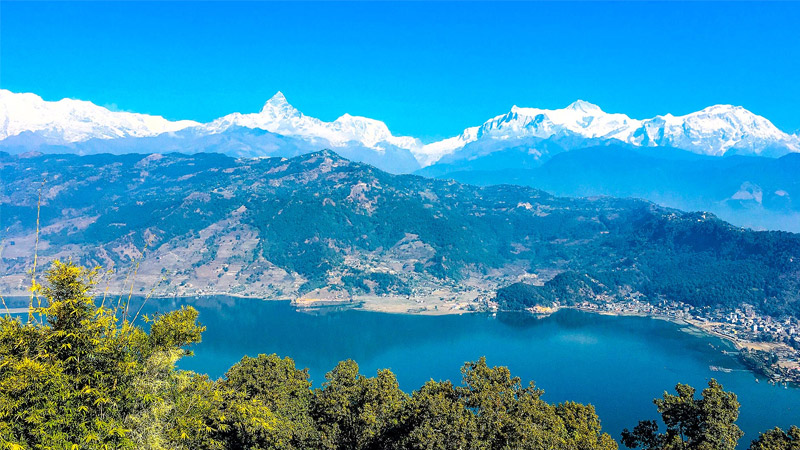
Perched atop a hill, Swayambhunath offers some of the most breathtaking panoramic views of Kathmandu Valley. Visitors can see sprawling cityscapes, verdant hills, and distant Himalayan peaks on clear days. The elevated location not only enhances its spiritual significance but also provides excellent photography opportunities for travelers.
The combination of architectural beauty, spiritual energy, and scenic vistas makes Swayambhunath one of the most memorable and photogenic sites in Nepal. Whether you’re visiting for religious purposes, cultural interest, or simply sightseeing, the views from Swayambhunath are truly unforgettable.
Visiting Swayambhunath

Best Time to Visit
The ideal time to visit Swayambhunath is during spring (March to May) and autumn (September to November) when the weather is clear, mild, and perfect for sightseeing. During these seasons, visitors can enjoy panoramic views of Kathmandu Valley and the Himalayas, while the temple complex remains vibrant with festivals and daily rituals.
Early mornings and late afternoons are particularly special, offering a peaceful atmosphere for meditation and photography. Avoid the monsoon season (June to August) as heavy rains can make the climb slippery and obscure the valley views.
How to Reach Swayambhunath (Transportation Options)
Swayambhunath is located on a hill west of Kathmandu Durbar Square, approximately 2.5 kilometers from the city center. Travelers have several options to reach the temple:
- Taxi or Private Car: The easiest and most convenient option, especially for tourists.
- Public Bus: Local buses run from various points in Kathmandu to the base of the hill.
- Walking: For adventure seekers, a scenic hike up the over 300 steps leading to the stupa offers an immersive experience.
Many guided tours of Kathmandu include Swayambhunath as a key destination, allowing visitors to explore the temple along with other cultural sites in a single day.
Entry Fee and Timings
Swayambhunath is open daily, typically from 6:00 AM to 6:00 PM, giving visitors ample time to explore the complex.
- Entry Fee: For foreign tourists, there is a nominal fee of around NPR 200-300 (check current rates before visiting).
- Local Entry: Nepali citizens usually have free access.
The fee contributes to the maintenance and preservation of this UNESCO World Heritage Site, ensuring that future generations can enjoy its spiritual and cultural beauty.
Dress Code and Etiquette
Visitors should dress modestly and respectfully when visiting Swayambhunath. Shoulders and knees should be covered, and shoes must be removed before entering certain temples.
Etiquette tips include:
- Walk clockwise around the stupa while spinning prayer wheels.
- Avoid touching or feeding the monkeys, as they are considered sacred.
- Refrain from loud conversations, photography in restricted areas, or any behavior that could disturb worshippers.
By following these guidelines, visitors can fully enjoy the spiritual experience while respecting the sanctity of the temple.
Tips for Travelers

Photography Tips
Swayambhunath offers countless opportunities for stunning photography, from its golden stupa and iconic Buddha eyes to the playful monkeys roaming the complex and the panoramic views of Kathmandu Valley. The best light for photos is early in the morning or late in the afternoon, when the sun casts a soft, golden glow over the hilltop.
Capturing the intricate details of the Buddha eyes and the spinning prayer wheels up close can convey the spiritual essence of the temple. A wide-angle lens is ideal for including both the stupa and the sweeping valley views, while still respecting worshippers and avoiding flash photography inside the temples.
Guided Tours vs. Exploring on Your Own
Visitors can experience Swayambhunath either with a guided tour or independently. Guided tours are ideal for first-time visitors, as knowledgeable guides share historical facts, local legends, and the spiritual significance of each element within the complex.
Exploring on your own, however, allows for a more personal experience, giving travelers the freedom to meditate, take photographs, or simply enjoy the serene atmosphere at their own pace. Many visitors find that combining both approaches, joining a brief guided tour and then wandering independently, offers the most enriching experience.
Nearby Attractions to Combine with Swayambhunath
Swayambhunath is conveniently located near several other must-see sites in Kathmandu, making it easy to plan a full day of cultural exploration. The historic Kathmandu Durbar Square, with its royal palaces and temples, is just a short drive away.
Boudhanath Stupa, one of the largest in Nepal, offers another spiritual highlight, while the sacred Hindu site of Pashupatinath Temple provides insight into the valley’s religious diversity. For those looking to experience the city’s vibrant energy, Thamel is nearby, offering restaurants, shops, and cultural experiences. Combining these sites with Swayambhunath allows travelers to enjoy a well-rounded glimpse of Kathmandu’s heritage.
Safety and Health Considerations
While Swayambhunath is generally safe, visitors should take some precautions to ensure an enjoyable visit. Comfortable shoes are recommended for climbing the steps up the hill, and staying hydrated is important, especially during warmer months.
Monkeys roam freely throughout the complex, and although they are considered sacred, visitors should be cautious as they may attempt to snatch food or loose items. Travelers with mobility concerns should plan their route carefully or use taxis to reach the hilltop. By keeping these considerations in mind, visitors can explore the temple safely while fully appreciating its spiritual and cultural significance.
Conclusion

Summary of Historical, Cultural, and Spiritual Importance
Swayambhunath stands as a testament to Nepal’s rich cultural heritage, blending history, spirituality, and architectural brilliance in a single hilltop complex. With origins dating back over 2,000 years, the stupa not only reflects the deep-rooted traditions of Buddhism and Hinduism but also embodies the spiritual essence of the Kathmandu Valley. Its golden dome, iconic Buddha eyes, and surrounding shrines create a unique environment where history, religion, and art converge. For travelers, Swayambhunath is more than a visual marvel, it is an immersive experience that offers insight into centuries of Nepalese devotion and cultural expression.
Why Swayambhunath is a Must-Visit in Nepal
Visiting Swayambhunath is a journey into the heart of Nepal’s spiritual and cultural identity. Beyond its religious significance, the temple provides breathtaking panoramic views of Kathmandu Valley, playful interactions with its sacred monkeys, and a tranquil atmosphere for meditation and reflection. Whether you are a history enthusiast, a spiritual seeker, or a traveler eager to explore Nepal’s iconic landmarks, Swayambhunath promises an unforgettable experience that captures the essence of the country. Its accessibility from Kathmandu makes it an ideal destination for both short visits and full-day excursions.
Explore Full Day Kathmandu Sightseeing Tour
Discover the highlights of Kathmandu with our Full Day Kathmandu Sightseeing Tour, including a visit to Swayambhunath, Kathmandu Durbar Square, and other cultural gems. Perfect for travelers who want to explore history, spirituality, and local culture in one immersive day. Reserve your spot today and experience Kathmandu like never before.
Book the Full Day Kathmandu Sightseeing Tour Here