
Introduction
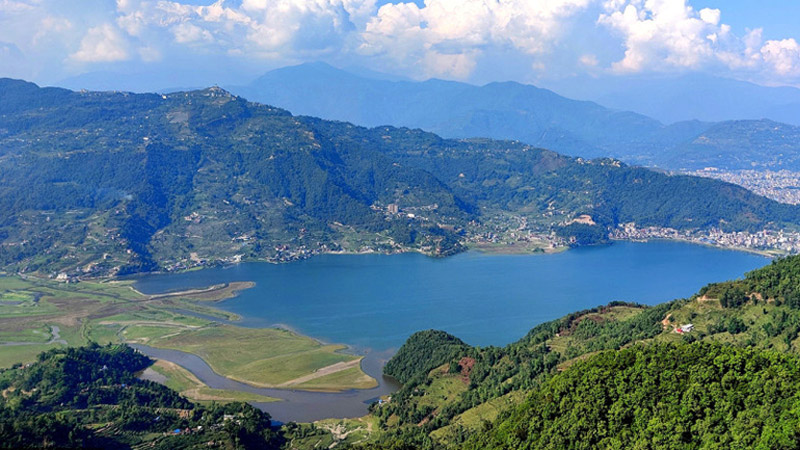
Phewa Lake is the most iconic natural attraction in Pokhara and one of the most visited destinations in Nepal. Surrounded by green hills, colorful lakeside streets, and the majestic Annapurna mountain range, the lake creates a peaceful yet vibrant atmosphere for travelers of all types. Whether you are visiting Pokhara for relaxation, adventure, or cultural exploration, Phewa Lake is usually the first place people want to experience.
As the second largest lake in Nepal, Phewa Lake plays a central role in Pokhara tourism. It is not only a scenic landmark but also a hub for boating, sightseeing, photography, and spiritual visits. The calm water reflecting Machhapuchhre and the surrounding hills makes it one of the most photographed locations in the country.
Overview of Phewa Lake and Its Importance in Pokhara Tourism
Phewa Lake lies in the heart of Pokhara city and forms the backbone of the popular Lakeside area. Many hotels, restaurants, cafes, and tour services have developed around the lake, making it a focal point for tourism activities. From sunrise walks along the shore to evening boating sessions, Phewa Lake remains active throughout the day.
The lake also serves as a gateway to several major attractions such as Tal Barahi Temple, World Peace Pagoda, and Sarangkot. Most Pokhara sightseeing tours include Phewa Lake as a key highlight, making it an essential stop for both domestic and international travelers.
Why Phewa Lake Is a Must-Visit Destination in Nepal
Phewa Lake offers a rare combination of natural beauty, cultural significance, and easy accessibility. Visitors can enjoy peaceful boat rides, spiritual moments at the island temple, and stunning mountain reflections without traveling far from the city center. This balance of nature and comfort is what makes Phewa Lake special.
Unlike many high-altitude destinations in Nepal, Phewa Lake is suitable for all age groups and travel styles. Families, solo travelers, honeymoon couples, and senior visitors can all enjoy the area comfortably. Its relaxed environment, scenic views, and wide range of activities make Phewa Lake a must-visit destination in Nepal.
About Phewa Lake Pokhara

Phewa Lake, also known as Phewa Tal, is a freshwater lake that defines the landscape and lifestyle of Pokhara. It is not only a tourist attraction but also an important natural resource for the local community.
Location and Geographical Setting
Phewa Lake is located in Pokhara Metropolitan City, Gandaki Province, in central Nepal. The lake lies at an altitude of approximately 742 meters above sea level and stretches along the southern edge of the Lakeside area. It is fed by several small streams and the Harpan Khola, which flows into the lake from the south.
The geographical setting of Phewa Lake is one of its strongest attractions. Forested hills rise gently from the shoreline, while the Annapurna and Dhaulagiri ranges appear in the distance on clear days. The western side of the lake remains relatively quiet and natural, while the eastern side is lively and developed, offering visitors the best of both worlds.
Why Phewa Lake Is Famous
Phewa Lake is famous for its scenic beauty, boating experiences, and the sacred Tal Barahi Temple located on an island at the center of the lake. The reflection of Machhapuchhre, also known as Fishtail Mountain, on calm mornings is considered one of the most beautiful views in Pokhara.
The lake is also known for its vibrant Lakeside atmosphere, where visitors can enjoy cafes, local shops, live music, and sunset views. Its accessibility, combined with spiritual, recreational, and natural attractions, has made Phewa Lake one of the most recognized and loved destinations in Nepal.
History and Cultural Significance of Phewa Lake

Phewa Lake is not only a natural attraction but also a place deeply connected to the history and cultural life of Pokhara. For generations, the lake has supported local communities, religious practices, and traditional livelihoods. Its presence has shaped the development of Pokhara from a quiet valley into one of Nepal’s leading tourist destinations.
Origin and Development of Phewa Lake
Phewa Lake was formed naturally, with its size gradually increased by a dam constructed in the early 1960s. Before the dam, the lake was smaller and primarily used by nearby villages for fishing, irrigation, and daily household needs. The construction of the dam helped regulate water levels and expanded the lake’s surface area, making it more suitable for tourism and recreational activities.
As Pokhara began to attract travelers in the following decades, Phewa Lake became a central feature of the city’s growth. The development of the Lakeside area, along with boating facilities and hospitality services, transformed the lake into a major tourism hub. Despite modernization, Phewa Lake has retained its natural charm and continues to play an important role in both local life and tourism.
Cultural Importance in Local Life
Phewa Lake holds strong cultural and religious importance for the people of Pokhara. The Tal Barahi Temple, located on an island in the lake, is one of the most revered religious sites in the region. Local residents regularly visit the temple to offer prayers, especially during religious festivals and important life events.
The lake is also closely tied to daily traditions and community activities. Fishermen still rely on the lake for their livelihood, while locals gather along the shoreline for morning walks, social interactions, and seasonal celebrations. Festivals such as Chhath and other Hindu rituals are observed around the lake, highlighting its spiritual value.
For the people of Pokhara, Phewa Lake is more than a scenic spot. It is a symbol of identity, heritage, and harmony between nature and culture, making it an essential part of the region’s history and everyday life.
Tal Barahi Temple at Phewa Lake

Tal Barahi Temple is one of the most important religious landmarks in Pokhara and a key highlight of any visit to Phewa Lake. Situated on a small island in the middle of the lake, the temple adds a strong spiritual dimension to the peaceful boating experience. For many visitors, reaching the temple by boat is both a cultural and scenic journey.
Religious Importance of Tal Barahi Temple
Tal Barahi Temple is dedicated to Goddess Barahi, a manifestation of Goddess Durga and one of the Shakti deities in Hindu belief. The temple holds deep religious significance for local residents, especially for followers seeking protection, prosperity, and good health.
Devotees frequently visit the temple on Saturdays and during major Hindu festivals, when the island becomes lively with prayer rituals and offerings. Animal sacrifices, which are part of traditional worship practices, are still observed on specific religious occasions. The temple’s location in the middle of the lake is believed to enhance its spiritual power, making it one of the most sacred sites in Pokhara.
How to Reach Tal Barahi Temple by Boat
Tal Barahi Temple can only be reached by boat, which makes the journey a unique experience. Boats are available from the eastern shore of Phewa Lake near the Lakeside area. Visitors can choose between shared boats or private boats, depending on their preference.
The boat ride to the temple usually takes about 10 to 15 minutes each way. Tickets can be purchased at the boating counters along the lake. During peak tourist seasons and festival days, waiting times may be slightly longer, so visiting early in the day is recommended.
Best Time to Visit Tal Barahi Temple
The best time to visit Tal Barahi Temple is during the morning hours when the lake is calm and the atmosphere is peaceful. Early visits also allow visitors to avoid crowds, especially on weekends and religious days.
In terms of seasons, autumn and spring offer the most pleasant weather and clear views, making the boat ride more enjoyable. Saturdays are considered the most important day for worship, so visitors interested in experiencing local religious life may choose this day. However, travelers seeking a quieter visit should consider weekdays.
Experience Phewa Lake and Pokhara in One Day!
Explore the beauty of Phewa Lake, enjoy a boat ride to Tal Barahi Temple, and visit top Pokhara attractions like Davis Falls and Bindabasini Temple—all in a single day. Perfect for first-time visitors!
Book Your Full Day Pokhara City Tour Now
Boating Experience at Phewa Lake

Boating on Phewa Lake is one of the most popular and memorable activities in Pokhara. The calm water, scenic surroundings, and mountain reflections create a relaxing experience for visitors of all ages. Whether you are visiting for leisure, photography, or a spiritual trip to Tal Barahi Temple, boating offers a unique way to enjoy the lake.
Types of Boating Available
Phewa Lake offers different boating options to suit various travel preferences and budgets.
Wooden Boat
Traditional wooden boats are the most common and widely used option at Phewa Lake. These boats are ideal for couples, families, and small groups. Visitors can either row the boat themselves or hire a boatman for a more relaxed experience. Wooden boats are also commonly used for visiting Tal Barahi Temple.
Paddle Boat
Paddle boats are a popular choice for visitors looking for a fun and easy activity. These boats do not require rowing skills and are suitable for families and first-time visitors. Paddle boats are usually rented for short durations and are best enjoyed near the Lakeside area.
Boating Prices and Duration
Boating prices at Phewa Lake vary depending on the type of boat, duration, and whether a boatman is included. Rentals are typically charged on an hourly basis. Short trips to Tal Barahi Temple usually take less time, while leisure boating can last from 30 minutes to over an hour.
Prices may change during peak tourist seasons, festivals, or holidays. It is advisable to confirm the rates at the official boating counters before boarding.
Best Time for Boating at Phewa Lake
The best time for boating at Phewa Lake is early morning or late afternoon. During these hours, the water is calm, the light is soft, and the mountain reflections are at their best. Morning boating offers a peaceful atmosphere, while evening rides are perfect for enjoying sunsets over the hills.
Autumn and spring are considered the best seasons for boating due to clear skies and pleasant weather. Boating is also available during other seasons, but visitors should be cautious during heavy monsoon rains.
Safety Tips for Boating
While boating at Phewa Lake is generally safe, following basic safety guidelines is important. Always wear a life jacket provided by the boat operator, especially for children and non-swimmers. Avoid boating during strong winds or bad weather conditions.
Follow the instructions given by the boating staff and stay within designated areas. Keeping personal belongings secure and avoiding overcrowded boats will help ensure a safe and enjoyable experience on the lake.
Things to Do Around Phewa Lake

The area surrounding Phewa Lake offers much more than just scenic views. From peaceful walks to vibrant cafes and leisure activities, the Lakeside area is one of the most enjoyable places to spend time in Pokhara. Visitors can easily fill several hours exploring the surroundings at a relaxed pace.
Lakeside Walking and Relaxation
Walking along the Lakeside promenade is one of the simplest and most enjoyable activities around Phewa Lake. The paved walking paths offer beautiful views of the water, colorful boats, and surrounding hills. Early mornings are ideal for a quiet stroll, while evenings are lively with street performers and local vendors.
Many visitors choose to sit by the lake, read a book, or simply enjoy the calm atmosphere. Benches, open spaces, and shaded areas make it easy to relax and take in the natural beauty without any rush.
Photography and Sunrise Views
Phewa Lake is a favorite spot for photographers due to its changing light and reflections. Sunrise is especially popular, as the calm water often mirrors the surrounding hills and Machhapuchhre on clear days. The soft morning light creates excellent conditions for landscape photography.
Sunset is equally rewarding, with warm colors reflecting off the lake and boats creating picturesque silhouettes. Whether using a professional camera or a mobile phone, visitors will find countless photo opportunities throughout the day.
Cafes, Restaurants, and Shopping at Lakeside
The Lakeside area around Phewa Lake is known for its wide variety of cafes and restaurants. Visitors can enjoy local Nepali cuisine, international dishes, fresh coffee, and bakery items while overlooking the lake. Many establishments offer outdoor seating, making dining a scenic experience.
Shopping is another popular activity at Lakeside. Local shops sell handicrafts, souvenirs, trekking gear, clothing, and handmade jewelry. It is an excellent place to buy gifts or items related to Nepal’s culture and travel lifestyle.
Cycling and Leisure Activities
Cycling around the Lakeside area is a fun way to explore Phewa Lake and nearby neighborhoods. Bicycle rentals are easily available, and the relatively flat terrain makes it suitable for casual riders.
Other leisure activities include yoga sessions, spa visits, live music venues, and short boat rides during free time. These options make the Phewa Lake area ideal for travelers who prefer a relaxed and flexible travel experience.
Discover Nepal’s Highlights Including Phewa Lake!
Combine the cultural wonders of Kathmandu with the natural beauty of Pokhara. This 8-day tour covers Phewa Lake, Tal Barahi Temple, Sarangkot sunrise, Kathmandu UNESCO sites, and more. Ideal for travelers who want a complete Nepal experience.
Reserve Your 8-Day Kathmandu Pokhara Tour Today
Best Time to Visit Phewa Lake Pokhara

Phewa Lake can be visited throughout the year, but the experience changes with the seasons. Weather conditions, visibility, and crowd levels all play a role in determining the best time for sightseeing, boating, and photography. Understanding each season helps travelers plan the perfect visit based on their interests.
Phewa Lake in Spring Season
Spring, from March to May, is one of the best times to visit Phewa Lake. The weather is warm and pleasant, with clear skies and blooming flowers adding color to the surroundings. Mountain views are often visible in the mornings, making this season ideal for boating and photography.
Spring is also a popular travel period in Pokhara, so the Lakeside area feels lively but not overly crowded. Outdoor activities, lakeside walks, and sunset boating are especially enjoyable during this time.
Phewa Lake in Summer and Monsoon
Summer and monsoon season lasts from June to August. During this period, Pokhara receives frequent rainfall, which brings lush greenery to the hills surrounding Phewa Lake. The lake looks vibrant and full, offering a different kind of beauty.
However, heavy rain can reduce mountain visibility, and boating may be limited during strong weather conditions. Travelers visiting in this season should plan activities around the weather and enjoy quieter Lakeside surroundings with fewer tourists.
Phewa Lake in Autumn
Autumn, from September to November, is considered the best season to visit Phewa Lake Pokhara. The skies are clear, the weather is stable, and mountain views are at their best. Reflections of Machhapuchhre and the Annapurna range on the lake are especially impressive during this time.
Autumn is also the peak tourist season in Nepal. While the area becomes busier, the excellent weather and scenic beauty make it the most rewarding time for sightseeing, boating, and temple visits.
Phewa Lake in Winter
Winter, from December to February, offers a calm and peaceful experience at Phewa Lake. The weather is cool, and mornings can be misty, creating a serene atmosphere. On clear days, mountain views are still visible, particularly in the late morning.
Boating is available during winter, although visitors should dress warmly, especially for early morning or evening visits. This season is ideal for travelers who prefer fewer crowds and a relaxed pace.
How to Reach Phewa Lake Pokhara

Phewa Lake is conveniently located in Pokhara, making it easily accessible for both domestic and international travelers. Whether you are coming from Kathmandu or already staying in Pokhara, reaching the lake is straightforward with multiple transportation options available.
Reaching Phewa Lake from Kathmandu
Pokhara is approximately 200 kilometers west of Kathmandu, and travelers can choose between road and air travel.
By road, tourist buses and private vehicles travel daily between Kathmandu and Pokhara. The journey typically takes 6 to 8 hours, depending on road conditions and traffic. Tourist buses offer a comfortable option with scenic views along the way, while private cars provide flexibility and convenience.
By air, domestic flights from Kathmandu to Pokhara take around 25 to 30 minutes. This is the fastest way to reach Pokhara and offers stunning aerial views of the Himalayas on clear days. Pokhara International Airport is located close to the city center, making onward travel easy.
Once in Pokhara, Phewa Lake is just a short drive from the airport or bus station.
Local Transportation in Pokhara
Getting around Pokhara is simple and affordable. Taxis are widely available and are the most convenient way to reach Phewa Lake, especially if you are staying outside the Lakeside area. Ride times within the city are generally short.
Local buses also operate throughout Pokhara and connect major areas to Lakeside. For travelers staying near Lakeside, Phewa Lake is often within walking distance. Bicycle and scooter rentals are popular options for those who prefer exploring at a relaxed pace.
Thanks to its central location and good road access, reaching Phewa Lake is easy for all travelers.
Entry Fee and Opening Hours
One of the advantages of visiting Phewa Lake is that it is easily accessible and does not require a general entry ticket. Visitors can freely explore the lakeside area and enjoy the views at any time of the day.
Phewa Lake Entry Fee
There is no entry fee to visit Phewa Lake itself. Travelers can walk along the lakeshore, relax at Lakeside, and enjoy the scenery without any cost. However, activities such as boating and visits to Tal Barahi Temple require payment for boat rental.
Boating charges vary based on the type of boat, duration, and whether a boatman is included. Prices are regulated by local authorities, but it is always recommended to confirm the latest rates at the official boating counters.
Boating Counter Timing
Boating counters at Phewa Lake generally operate from early morning until evening. Most counters open around 7:00 AM and close by 5:00 to 6:00 PM, depending on the season and weather conditions.
During peak tourist seasons and festivals, boating services may operate for longer hours. Visitors planning to visit Tal Barahi Temple or enjoy sunset boating are advised to arrive well before closing time to avoid last-minute rush.
Travel Tips for Visiting Phewa Lake
Visiting Phewa Lake is a memorable experience, but a few practical tips can make your trip more enjoyable and safe. From choosing the right attire to respecting local customs, these recommendations will help travelers make the most of their visit.
What to Wear and Carry
Comfortable clothing is recommended when visiting Phewa Lake, especially for walking along the lakeshore or taking a boat ride. Light layers are ideal during spring and autumn, while warmer clothing is needed in winter mornings and evenings.
Footwear should be comfortable and suitable for walking, especially if you plan to explore the Lakeside area or hike to viewpoints like the World Peace Pagoda. Sunglasses, a hat, sunscreen, and a water bottle are also recommended for sun protection during daytime activities.
Best Time of Day to Visit
Early morning and late afternoon are the best times to experience Phewa Lake. Mornings offer calm waters and clear reflections of the surrounding hills and mountains, perfect for photography and peaceful boat rides.
Evenings are ideal for enjoying sunset views, lakeside cafes, and a more lively atmosphere as locals and travelers gather along the promenade. Avoid the midday hours if possible, especially during summer, as it can get hot and crowded.
Responsible Tourism Tips
Phewa Lake is not only a tourist destination but also an important cultural and natural site. Visitors are encouraged to respect the environment and local traditions.
- Avoid littering and dispose of waste in designated bins.
- Do not disturb local wildlife or aquatic life.
- Follow instructions from boat operators and temple staff.
- Respect religious practices at Tal Barahi Temple and other nearby sacred sites.
By practicing responsible tourism, travelers help preserve Phewa Lake for future generations and contribute positively to the local community.
Nearby Attractions to Combine with Phewa Lake Visit
Phewa Lake is not only a beautiful destination on its own but also an excellent base for exploring other top attractions in Pokhara. Many travelers plan combined visits to nearby sites, allowing them to experience the city’s natural beauty, culture, and adventure activities all in one trip.
World Peace Pagoda
The World Peace Pagoda, also known as Shanti Stupa, is a stunning white-domed Buddhist monument located on a hill overlooking Phewa Lake. The site offers panoramic views of the lake, Pokhara city, and the surrounding Himalayan peaks. Visitors can reach the pagoda via a short hike through lush forests or by a private vehicle. The serene environment and spectacular vistas make it a perfect spot for meditation, photography, and enjoying nature.
Bindabasini Temple
Bindabasini Temple is one of Pokhara’s oldest Hindu temples, dedicated to Goddess Durga. Located a short drive from Phewa Lake, the temple is a spiritual center for locals and visitors alike. The temple hill provides a panoramic view of Pokhara city and the Annapurna range, making it an ideal combination of cultural exploration and scenic sightseeing.
Davis Falls and Gupteshwor Cave
Davis Falls, locally known as Patale Chhango, is a unique waterfall that plunges into an underground tunnel. Nearby is Gupteshwor Cave, a sacred cave featuring a Shiva lingam and fascinating rock formations. Both attractions are easily accessible from Phewa Lake and provide opportunities for adventure and photography. These sites are perfect for travelers looking to explore Pokhara’s natural wonders in one trip.
Sarangkot Sunrise Viewpoint
Sarangkot is a famous hilltop viewpoint offering one of the most spectacular sunrise views in Nepal. Located about 30 minutes from Phewa Lake by car, it provides breathtaking views of the Annapurna and Dhaulagiri ranges, as well as the city and lake below. Many travelers combine a Phewa Lake boat ride with an early morning drive or hike to Sarangkot for a complete Pokhara experience.
From the Capital to the Lakeside Paradise!
Visit Kathmandu’s top cultural sites, then relax and enjoy Phewa Lake in Pokhara. This tour also includes Nagarkot sunrise views, making it perfect for travelers seeking both mountains and lakes in one journey.
Book Your Kathmandu Pokhara Nagarkot Tour Now
Phewa Lake Tour Options with Easy Tour Nepal

Phewa Lake is the centerpiece of Pokhara, and combining it with organized tours ensures a smooth and memorable experience. Easy Tour Nepal offers a variety of packages to help travelers explore the lake and surrounding attractions comfortably and conveniently.
Phewa Lake with Pokhara City Sightseeing Tour
For travelers looking to experience the highlights of Pokhara in a single day, the Pokhara City Sightseeing Tour is an excellent choice. This package includes:
- A boat ride on Phewa Lake with a visit to Tal Barahi Temple
- Lakeside walking and leisure activities
- Visits to Davis Falls, Gupteshwor Cave, and Bindabasini Temple
- Optional stop at the World Peace Pagoda for panoramic views
This tour is ideal for first-time visitors who want a complete Pokhara experience with minimal planning. It combines natural beauty, cultural landmarks, and convenient transportation, making the day relaxed yet eventful.
Private and Customizable Pokhara Tours
For travelers who prefer flexibility, Easy Tour Nepal offers private and customizable Pokhara tours. Guests can design their itinerary based on interests, pace, and duration. Popular options include:
- Half-day or full-day tours focused on Phewa Lake and surrounding attractions
- Adventure activities such as paragliding or cycling
- Sunrise visits to Sarangkot followed by a lake boat ride
- Customized photography or wellness tours along the Lakeside
Private tours ensure a personalized experience with a dedicated guide and vehicle, perfect for families, couples, or small groups. Travelers can enjoy Phewa Lake and Pokhara’s landmarks without worrying about timing, crowds, or logistics.
Conclusion
Phewa Lake is truly the heart of Pokhara, offering a unique blend of natural beauty, cultural heritage, and leisure activities. From serene boat rides and sunrise reflections to visits to the sacred Tal Barahi Temple and vibrant Lakeside promenade, the lake has something for every type of traveler. Its accessibility, peaceful environment, and scenic backdrop make it an essential stop on any Pokhara itinerary.
Whether you are a solo traveler seeking tranquility, a family looking for a fun day out, or a couple searching for a romantic escape, Phewa Lake delivers a memorable experience. Pairing your visit with nearby attractions like the World Peace Pagoda, Davis Falls, or Sarangkot sunrise viewpoints ensures a full and enriching Pokhara adventure.
To make the most of your trip, plan your visit during clear weather in autumn or spring, start early to enjoy calm waters and fewer crowds, and consider joining a Pokhara sightseeing tour with Easy Tour Nepal for a smooth and well-organized experience. Phewa Lake is not just a destination, it’s an experience that captures the essence of Pokhara and leaves travelers with memories to cherish forever.