
Introduction
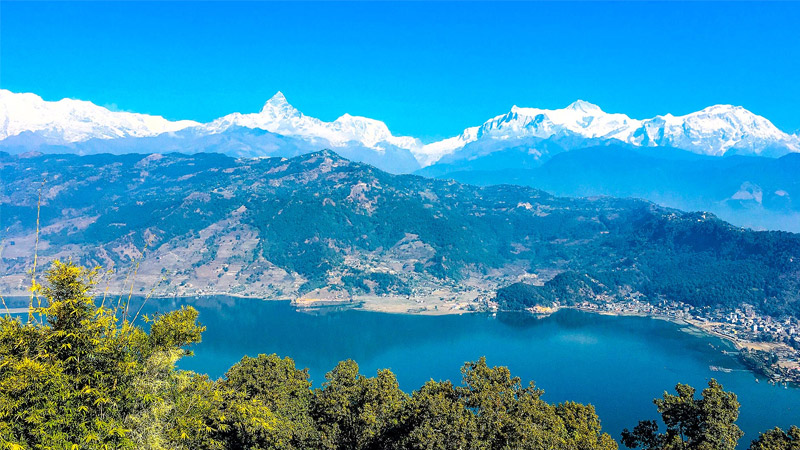
Pokhara, known as the “City of Lakes,” is Nepal’s most picturesque destination, offering a perfect mix of natural beauty, cultural landmarks, and peaceful retreats. From the serene waters of Phewa Lake to the breathtaking sunrise views at Sarangkot, this city is a paradise for travelers seeking both adventure and relaxation.
Whether you’re a first-time visitor or planning a detailed sightseeing itinerary, Pokhara has something for everyone. In this guide, we’ve compiled the 15 best attractions in Pokhara, covering iconic landmarks, hidden gems, and must-see cultural spots, so you can make the most of your trip.
Explore temples, caves, museums, and scenic lakes while learning practical travel tips and the best times to visit each location. By the end of this guide, you’ll know exactly what to see, where to go, and how to plan your perfect Pokhara experience.
Why Visit Pokhara?
Natural Beauty and Himalayan Views
Pokhara is one of the most scenic cities in Nepal, famous for its dramatic natural setting. On clear days, the city offers breathtaking views of the Annapurna and Dhaulagiri ranges, with Machhapuchhre (Fishtail Mountain) standing out as the most iconic peak. Snow-capped mountains rise directly behind the city, creating a rare combination of urban comfort and alpine scenery. Sunrises from viewpoints like Sarangkot and reflections of the Himalayas on Phewa Lake make Pokhara a dream destination for nature lovers and photographers.
Lakes, Culture, and Relaxed City Vibe
Often called the “City of Lakes,” Pokhara is home to beautiful freshwater lakes such as Phewa Lake, Begnas Lake, and Rupa Lake. These lakes add a calm and peaceful atmosphere that sets Pokhara apart from busier cities. Alongside natural beauty, the city offers rich cultural experiences, from ancient temples like Bindabasini to traditional markets in Old Pokhara. The Lakeside area brings everything together with cafés, shops, and walking paths, creating a relaxed and traveler-friendly environment ideal for families, couples, and solo visitors.
Gateway to Annapurna Region
Pokhara is the main starting point for treks into the Annapurna region, one of the world’s most popular trekking areas. From here, travelers begin famous routes such as the Annapurna Base Camp Trek, Ghorepani Poon Hill Trek, and Mardi Himal Trek. Even for visitors who are not trekking, Pokhara’s role as a gateway gives the city a unique multicultural feel, with mountaineers, guides, and travelers from around the world passing through. This connection to the Himalayas adds depth and adventure to any visit, even during a short stay.
Top Attractions in Pokhara – Best Places to Visit
Phewa Lake

Phewa Lake is the heart of Pokhara and the city’s most iconic attraction. Surrounded by green hills and backed by the Annapurna range, the lake offers stunning reflections of Machhapuchhre on calm mornings.
Visitors can enjoy peaceful boating, walk along the lakeside promenade, or relax in nearby cafés with lake views. Phewa Lake is also a perfect place to experience Pokhara’s laid-back atmosphere and is often the starting point for sightseeing in the city.
Tal Barahi Temple

Tal Barahi Temple is a sacred two-story pagoda-style Hindu temple located on a small island in the middle of Phewa Lake. Dedicated to Goddess Barahi, this temple is one of the most important religious sites in Pokhara.
Visitors reach the temple by boat, making the journey a memorable experience. Both locals and tourists visit the temple to offer prayers, especially on weekends and religious occasions, adding cultural depth to a visit to Phewa Lake.
Davis Falls (Devi’s Fall)

Davis Falls, also known as Devi’s Fall, is a unique and powerful waterfall located in southern Pokhara. Unlike typical waterfalls, the water here disappears into an underground tunnel, creating a dramatic and mysterious sight.
The waterfall becomes especially impressive during the monsoon season when water flow is at its strongest. Well-maintained viewpoints and walkways make it easy for visitors to safely enjoy this natural wonder.
Gupteshwor Mahadev Cave

Gupteshwor Mahadev Cave is a sacred limestone cave located just across the road from Davis Falls. Inside the cave lies a naturally formed Shiva lingam, which makes the site an important pilgrimage destination for Hindu devotees.
The cave extends deep underground and includes chambers where visitors can hear the sound of water flowing beneath the surface. One of the highlights is the underground viewpoint that allows visitors to see Davis Falls from below, offering a rare and fascinating perspective.
World Peace Pagoda (Shanti Stupa)

The World Peace Pagoda is a symbol of peace and harmony, built by Buddhist monks to promote global unity. Positioned on a hilltop south of Phewa Lake, the stupa provides breathtaking panoramic views of Pokhara Valley, Phewa Lake, and the Annapurna mountain range. The calm and quiet surroundings make it an ideal spot for meditation, photography, and sunset viewing. Visitors can reach the pagoda by hiking trails, boat-and-hike combinations, or road access, making it suitable for both adventure seekers and casual travelers.
Sarangkot Viewpoint

Sarangkot Viewpoint is one of the most popular places in Pokhara for panoramic mountain views and unforgettable sunrises. Located on a hilltop to the northwest of the city, Sarangkot offers clear views of the Annapurna range, Dhaulagiri, and the iconic Machhapuchhre when the weather is favorable.
Early mornings are the best time to visit, as the rising sun slowly illuminates the snow-capped peaks and Pokhara Valley below. The viewpoint is easily accessible by road or short hikes, making it suitable for visitors of all ages.
Bindabasini Temple

Bindabasini Temple is one of the oldest and most important Hindu temples in Pokhara, dedicated to Goddess Durga. Situated on a small hill near the city center, the temple offers peaceful surroundings along with views of Pokhara city and nearby hills.
The temple complex reflects traditional Nepali architecture and serves as a key spiritual site for locals. Visitors often experience cultural rituals and daily prayers, which provide a deeper understanding of religious life in Pokhara.
International Mountain Museum

The International Mountain Museum is a must-visit attraction for anyone interested in the Himalayas and Nepal’s mountaineering heritage. The museum showcases detailed exhibits on the world’s major mountain ranges, the history of Himalayan expeditions, and the cultural lifestyles of mountain communities.
Displays include climbing equipment, historical photographs, and information about legendary mountaineers. The museum also offers excellent views of the Annapurna range from its outdoor areas, combining education with scenic beauty.
Seti River Gorge
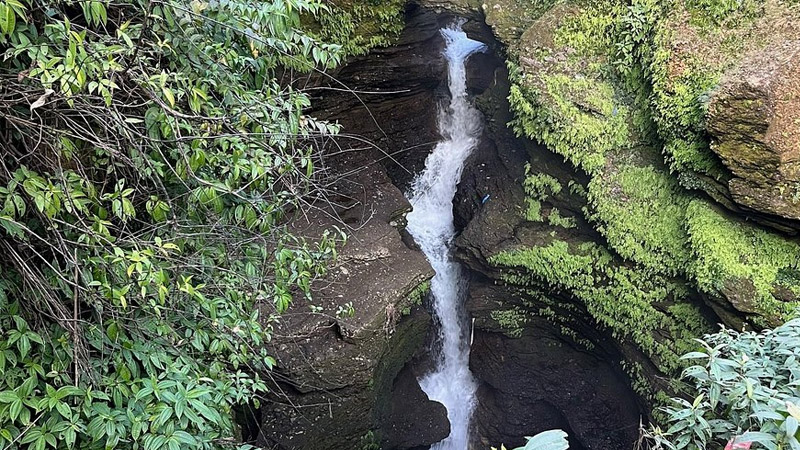
The Seti River Gorge is a striking natural feature that cuts through the heart of Pokhara. Unlike typical rivers, the Seti flows deep below ground level in many sections, creating narrow gorges with powerful currents.
The contrast between the milky white river and dark rock walls makes it a unique sight. Several viewpoints around the city allow visitors to safely observe the gorge, making it an interesting stop for those exploring Pokhara’s natural landscape.
Mahendra Cave

Mahendra Cave is a large limestone cave located in the Batulechaur area of Pokhara. Named after the late King Mahendra of Nepal, the cave features impressive rock formations, stalactites, and stalagmites formed over thousands of years.
Inside, visitors will find a naturally formed statue of Lord Shiva, adding religious significance to the site. The cave is well-lit but can be slippery in places, so proper footwear is recommended when exploring this underground attraction.
Batulechaur (Bat Cave)

Batulechaur, commonly known as Bat Cave, is a unique natural attraction located near Mahendra Cave in northern Pokhara. The cave is famous for its narrow passages and the large number of bats that live inside, making it an adventurous experience for visitors.
Unlike other caves in Pokhara, Bat Cave has a challenging exit that requires crawling through tight spaces, which adds a sense of excitement and exploration. This attraction is best suited for adventure seekers and those comfortable with confined spaces.
Begnas Lake
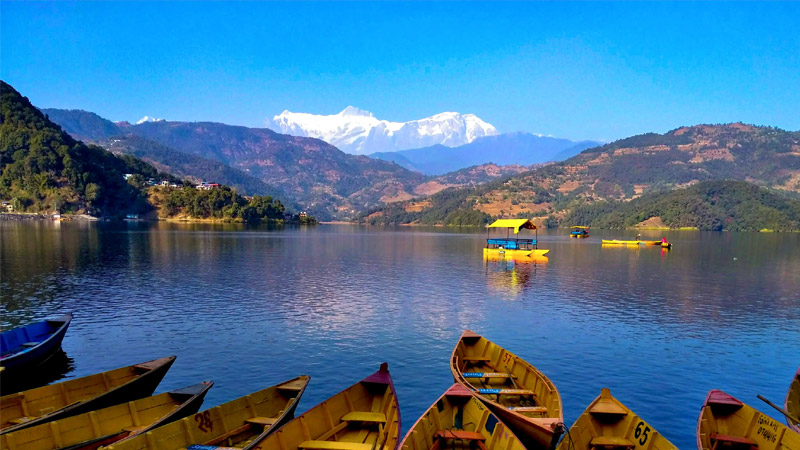
Begnas Lake is a serene and scenic freshwater lake located about 13 kilometers east of Pokhara. Less crowded than Phewa Lake, it offers a peaceful environment surrounded by green hills and farmland.
Visitors can enjoy boating, lakeside walks, or simply relax while taking in the natural surroundings. Begnas Lake is ideal for travelers looking to escape the city noise and experience a slower, more tranquil side of Pokhara.
Rupa Lake

Rupa Lake is one of the most untouched and less-visited lakes in the Pokhara Valley. Located southeast of Begnas Lake, this natural lake is surrounded by forests and rural villages, offering a calm and authentic atmosphere.
The lake is popular for nature walks, birdwatching, and photography. Its quiet environment makes it perfect for travelers who prefer off-the-beaten-path destinations and natural beauty.
Lakeside Pokhara
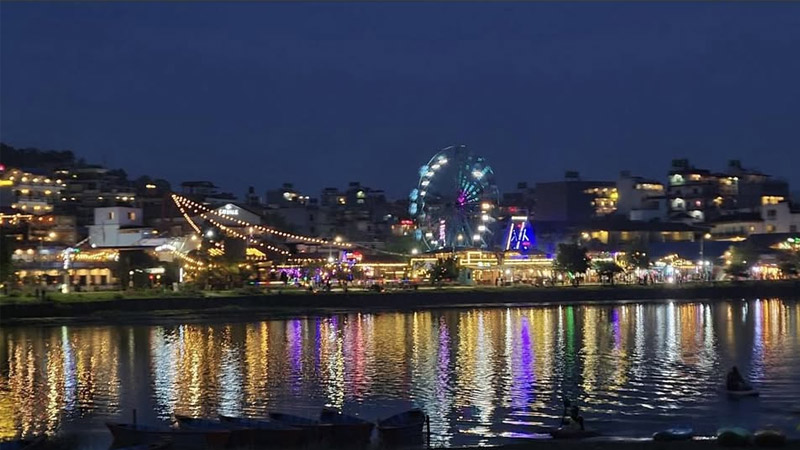
Lakeside Pokhara is the main tourist hub of the city and stretches along the eastern shore of Phewa Lake. This area is filled with cafés, restaurants, souvenir shops, and hotels catering to all types of travelers.
Lakeside is ideal for evening walks, enjoying local and international cuisine, and shopping for handicrafts. The relaxed vibe and lively atmosphere make it one of the most enjoyable places to spend time in Pokhara.
Pumdikot Shiva Statue

The Pumdikot Shiva Statue is a newly emerging landmark in Pokhara, located on Pumdikot Hill, offering panoramic views of the Pokhara Valley, Phewa Lake, and the surrounding Himalayan range. The massive statue of Lord Shiva attracts both pilgrims and tourists, making it a blend of spiritual significance and sightseeing appeal.
Visitors can reach the statue by a short drive from Pokhara city followed by a few minutes of walking uphill. The site is peaceful and less crowded compared to other temples, allowing for a serene atmosphere. Sunrise and sunset views from Pumdikot Hill are breathtaking, providing excellent photography opportunities. The statue and its surroundings also offer insight into local religious practices and cultural heritage, making it a must-visit for travelers interested in spirituality and scenic landscapes alike.
Explore Pokhara in a Day! Experience all the top attractions of Pokhara in just one day with our Full Day Pokhara City Sightseeing Tour. Book Now
Best Time to Visit Pokhara

Autumn Season (September to November)
Autumn is considered the best time to visit Pokhara due to stable weather and clear mountain views. After the monsoon ends, the air becomes fresh and visibility improves, offering excellent views of the Annapurna range and Machhapuchhre.
Temperatures are comfortable during the day and cool at night, making it ideal for sightseeing, photography, and outdoor exploration. This season is also popular among trekkers, so Pokhara has a lively atmosphere with many cultural events and festivals.
Spring Season (March to May)
Spring is another excellent season to visit Pokhara, known for blooming rhododendrons and pleasant weather. The hills around Pokhara come alive with colorful flowers, adding to the city’s natural beauty. Mountain views are generally good, especially in the mornings, although light haze may appear later in the day.
Spring is perfect for travelers who enjoy nature, mild temperatures, and fewer crowds compared to peak autumn months.
Monsoon and Winter Travel Tips
The monsoon season, from June to August, brings frequent rainfall to Pokhara, making the landscape lush and green. While mountain views can be limited due to clouds, waterfalls like Davis Falls are at their most powerful during this time. Travelers should be prepared for slippery trails and occasional travel delays.
Winter, from December to February, offers clear skies and quieter surroundings, though mornings and evenings can be cold. With proper clothing, winter can be a peaceful time to explore Pokhara’s attractions with fewer tourists.
Take Your Time in Pokhara! Enjoy a relaxed pace while visiting Pokhara’s must-see sights with our 2 Days Pokhara City Sightseeing Tour. Reserve Your Spot
How Many Days Are Enough to Visit Pokhara?
One-Day Sightseeing Option
A one-day visit to Pokhara is suitable for travelers with limited time who want to see the city’s main highlights. In a single day, visitors can explore key attractions such as Phewa Lake, Tal Barahi Temple, Davis Falls, Gupteshwor Mahadev Cave, and the International Mountain Museum. A sunrise visit to Sarangkot followed by Lakeside exploration in the evening can also be included with proper planning. While a one-day trip offers a good introduction to Pokhara, it allows only a brief experience of the city.
Two to Three Days Recommended Itinerary
Spending two to three days in Pokhara is ideal for a relaxed and complete sightseeing experience. With more time, visitors can comfortably explore major attractions like the World Peace Pagoda, Bindabasini Temple, Seti River Gorge, and caves around Batulechaur. Additional days allow for peaceful visits to Begnas Lake and Rupa Lake, as well as leisurely time in Lakeside Pokhara. This duration provides a balanced mix of nature, culture, and relaxation without rushing through attractions.
Entry Fees and Visiting Tips for Pokhara Attractions
Temple and Museum Entry Information
Most attractions in Pokhara are affordable, and many religious sites are free to enter. Below are commonly charged entry fees, which may change slightly over time, but these figures are widely used and expected by travelers:
- Phewa Lake: Free entry, boating costs NPR 500–1,000 per boat (depending on duration)
- Tal Barahi Temple: Free entry, boat ride NPR 300–500 (shared or private)
- Davis Falls: NPR 100 for foreigners, NPR 50 for SAARC nationals
- Gupteshwor Mahadev Cave: NPR 200 for foreigners, NPR 100 for SAARC nationals
- World Peace Pagoda: Free entry
- Sarangkot Viewpoint: Free entry
- Bindabasini Temple: Free entry
- International Mountain Museum: NPR 500 for foreigners, NPR 250 for SAARC nationals
- Mahendra Cave: NPR 100 for foreigners, NPR 50 for SAARC nationals
- Bat Cave: NPR 100 for foreigners, NPR 50 for SAARC nationals
- Begnas Lake & Rupa Lake: Free entry
Carrying small cash in Nepali Rupees is recommended, as digital payments are not accepted at all sites.
Local Transport and Timing Tips
Pokhara is compact, and many attractions are within short driving distance of each other. Taxis are the most convenient option for sightseeing, with half-day or full-day hires commonly available. Public buses and local microbuses are cheaper but less convenient for visitors unfamiliar with routes. For nearby attractions like Lakeside, Phewa Lake, and Old Pokhara, walking is a great option.
For the best experience, visit Sarangkot and the World Peace Pagoda early in the morning for clear mountain views. Waterfalls and caves are best visited during daylight hours for safety. Temples are most peaceful in the early morning or evening, while museums are best visited mid-day. Planning visits by time of day helps avoid crowds and improves photography opportunities.
Where to Stay in Pokhara
Lakeside Area for Tourists
Lakeside is the most popular and convenient area to stay in Pokhara, especially for first-time visitors. Located along the eastern shore of Phewa Lake, this area offers a wide range of accommodations, from budget guesthouses to luxury hotels.
Staying in Lakeside provides easy access to restaurants, cafés, shops, tour agencies, and major attractions. The lively atmosphere, lake views, and walkable streets make it ideal for travelers who want comfort, entertainment, and easy sightseeing.
Peaceful Areas Around Begnas and Rupa Lake
For travelers seeking a quieter and more nature-focused stay, the areas around Begnas Lake and Rupa Lake are excellent alternatives. These locations offer eco-lodges, resorts, and homestays surrounded by greenery and rural landscapes.
Staying near these lakes allows visitors to enjoy peaceful mornings, scenic views, and a slower pace of travel. This option is perfect for couples, nature lovers, and travelers who want to relax away from the busy tourist areas while still being within driving distance of Pokhara city.
Pokhara Travel Tips for First-Time Visitors
Dress Code for Temples
When visiting temples and religious sites in Pokhara, modest clothing is recommended. Visitors should cover their shoulders and knees, and remove shoes before entering temple premises.
Wearing respectful attire is especially important at places like Bindabasini Temple, Tal Barahi Temple, and Gupteshwor Mahadev Cave. Avoid wearing revealing clothes inside sacred areas, and follow local customs observed by worshippers.
Safety and Local Etiquette
Pokhara is generally a safe city for tourists, including solo travelers and families. Still, it is advisable to keep personal belongings secure, especially in crowded areas like Lakeside and local markets.
Always ask permission before photographing people or religious ceremonies. Greeting locals politely and respecting cultural practices goes a long way in creating positive interactions. Following basic etiquette helps travelers enjoy a smooth and respectful visit.
Currency and Communication
The local currency used in Pokhara is the Nepali Rupee (NPR). While hotels, larger restaurants, and tour operators accept digital payments, many local shops and attractions require cash.
It is useful to carry small denominations for entry fees and transport. Mobile network coverage and internet services are widely available in Pokhara, with local SIM cards offering affordable data and call packages for travelers.
FAQs About Pokhara Attractions
What are the must-visit attractions in Pokhara?
Some of the must-visit attractions in Pokhara include Phewa Lake, Tal Barahi Temple, Davis Falls, Gupteshwor Mahadev Cave, World Peace Pagoda, Sarangkot Viewpoint, and Bindabasini Temple. For those interested in nature and adventure, the Seti River Gorge, Mahendra Cave, Batulechaur (Bat Cave), and nearby lakes like Begnas Lake and Rupa Lake are also highly recommended. Each of these attractions offers a unique experience, from cultural and religious significance to stunning natural scenery.
Is Pokhara suitable for family travel?
Yes, Pokhara is very family-friendly. Most attractions are safe, accessible, and suitable for children and elderly travelers. Lakeside Pokhara offers relaxed walking areas, restaurants, and recreational options, while attractions like Phewa Lake boating, World Peace Pagoda, and Sarangkot sunrise viewing can be enjoyed by the whole family. Caves and adventurous spots like Bat Cave may require supervision for younger children.
Can Pokhara be visited year-round?
Yes, Pokhara can be visited throughout the year. Autumn (September to November) and Spring (March to May) are the best seasons for clear mountain views and comfortable weather. Winter (December to February) offers fewer crowds and crisp skies, while Monsoon (June to August) brings lush greenery and dramatic waterfalls, though visibility of mountains may be limited. Travelers should plan accordingly based on their priorities.
Are Pokhara attractions close to each other?
Many of Pokhara’s main attractions are located within a short distance of each other. For example, Davis Falls and Gupteshwor Mahadev Cave are just across the road, while Lakeside, Phewa Lake, and Tal Barahi Temple are all nearby. For attractions like Sarangkot, World Peace Pagoda, Begnas Lake, and Rupa Lake, a short drive or hike may be required. Overall, most sightseeing can be comfortably done in 2–3 days with organized transportation.
Conclusion
Pokhara is a city that beautifully combines nature, culture, and tranquility, making it a must-visit destination in Nepal. From the shimmering waters of Phewa Lake to the panoramic vistas of World Peace Pagoda and the historic charm of Bindabasini Temple, there’s no shortage of incredible attractions to explore.
By following this guide to the 15 best places to visit in Pokhara, you can experience the city’s highlights efficiently while uncovering its hidden gems. Whether you’re here for breathtaking views, cultural experiences, or serene lakeside moments, Pokhara promises memories that will last a lifetime.
Plan your visit carefully, soak in the stunning scenery, and enjoy the peaceful yet vibrant charm that only Pokhara can offer.
Combine the Best of Nepal! Explore both Kathmandu and Pokhara’s top attractions with our 8 Days Kathmandu & Pokhara City Tour Package. Plan Your Trip