
Introduction to Davis Falls Pokhara
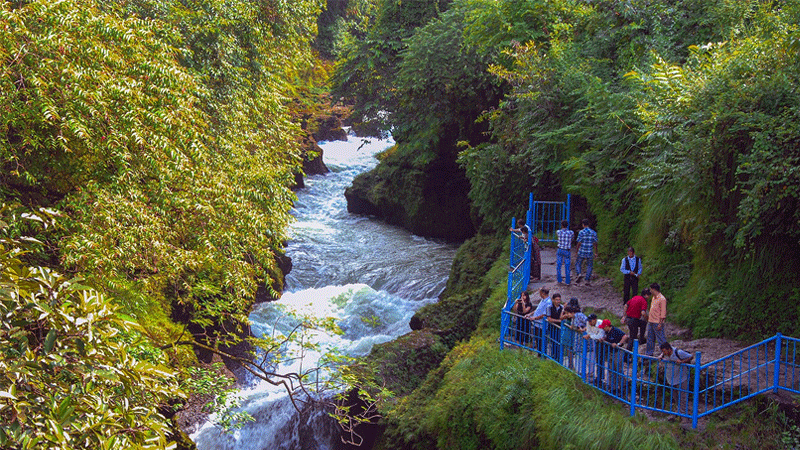
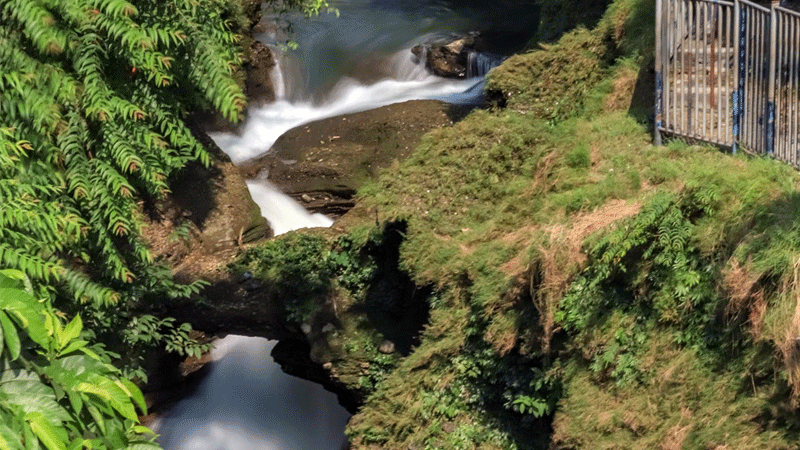
Davis Falls is one of the most famous natural attractions in Pokhara and a must-visit place for travelers exploring this beautiful lake city. Known locally as Patale Chhango, this powerful waterfall is unique because the water disappears into an underground tunnel instead of flowing openly downstream. Surrounded by lush greenery and dramatic rock formations, Davis Falls offers visitors a rare chance to witness the raw force of nature up close.
Located on the southern side of Pokhara, Davis Falls is easily accessible and often included in city sightseeing tours. Its natural beauty, tragic history, and connection to nearby spiritual sites make it an important stop for both domestic and international tourists.
Why Davis Falls Is One of Pokhara’s Top Attractions
Davis Falls attracts thousands of visitors every year because it offers something different from typical waterfalls. During the monsoon season, the volume of water increases dramatically, creating a powerful and unforgettable sight. The roaring sound of the water and the mist rising from the gorge add to the excitement of the visit.
Another reason for its popularity is its convenient location. Davis Falls can be visited within a short time from Lakeside and is often combined with nearby attractions like Gupteshwor Mahadev Cave and the Tibetan Refugee Camp. This makes it ideal for travelers who want to see multiple highlights of Pokhara in a single day.
What Makes Davis Falls Unique in Nepal
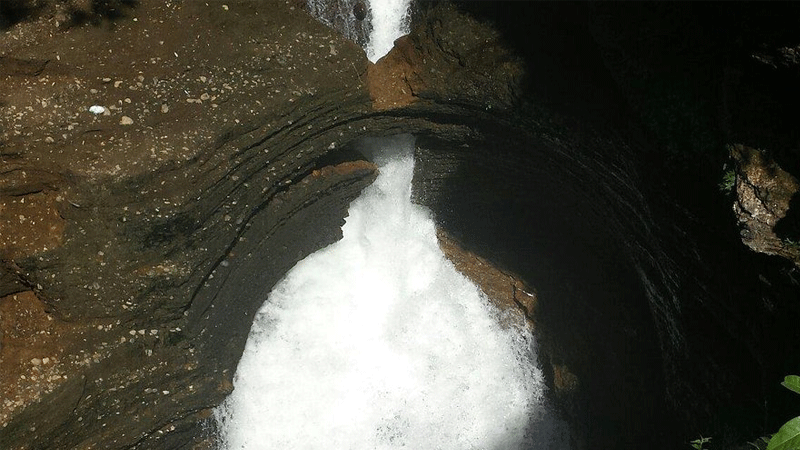
What truly sets Davis Falls apart from other waterfalls in Nepal is its underground flow system. After plunging down from the surface, the water vanishes into a narrow tunnel beneath the earth, which is why it is also known as an underground waterfall. This natural phenomenon is rare and adds a sense of mystery to the site.
The waterfall changes its appearance with the seasons. In the dry months, it appears calm and scenic, while in the monsoon, it transforms into a fierce and dramatic cascade. This seasonal contrast makes Davis Falls worth visiting at different times of the year.
Where Is Davis Falls Located
Davis Falls is located in the southern part of Pokhara city, close to the main road that leads toward Tansen and Syangja. The site is well-developed for tourism, with viewing platforms, walking paths, and nearby facilities for visitors.
Because of its strategic location, Davis Falls is usually included in Pokhara city tours and is easy to reach from major tourist areas.
Davis Falls Pokhara Location Explained
Davis Falls lies in the Devi’s Falls area, approximately 2 kilometers southwest of Pokhara Lakeside. It is situated just across the road from Gupteshwor Mahadev Cave, making it convenient to explore both attractions in one visit.
The waterfall is clearly marked on local maps and signboards, and most taxi drivers and tour guides in Pokhara are familiar with the location.
Distance From Lakeside and Pokhara Airport
From Lakeside Pokhara, Davis Falls is about a 10 to 15-minute drive, depending on traffic. Visitors can reach the site easily by taxi, private vehicle, or as part of a guided sightseeing tour.
From Pokhara International Airport, the distance to Davis Falls is approximately 3 to 4 kilometers. This makes it one of the closest major attractions to the airport and an excellent first or last stop during a Pokhara trip.
How Davis Falls Connects to Gupteshwor Mahadev Cave
One of the most interesting aspects of Davis Falls is its direct connection to Gupteshwor Mahadev Cave, a sacred Hindu cave temple located just opposite the waterfall. The underground water from Davis Falls flows through the cave system, creating a spiritual and natural link between the two sites.
Inside Gupteshwor Mahadev Cave, visitors can hear the sound of the rushing water and view it from a designated area. Many travelers choose to visit Davis Falls first and then explore the cave, making this combination both convenient and culturally enriching.
History of Davis Falls
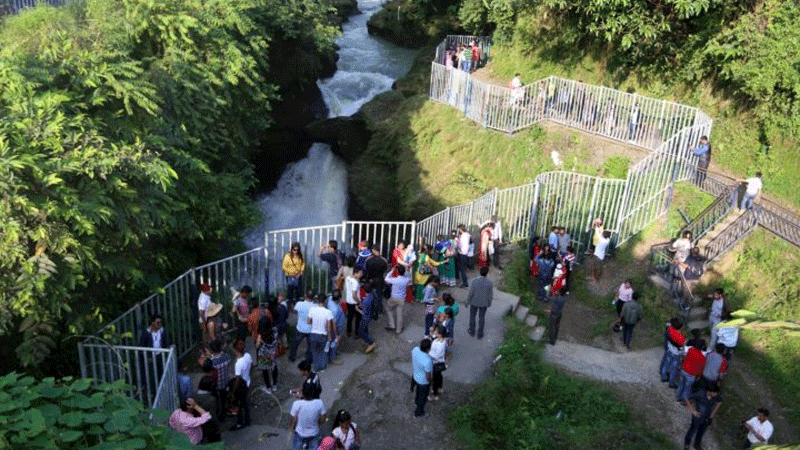
The history of Davis Falls adds emotional depth and cultural importance to this natural attraction. Unlike many waterfalls that are named after local geography, Davis Falls carries a personal story that has been passed down through generations. This tragic yet meaningful history is one of the reasons the site remains deeply memorable for visitors.
The Story Behind the Name Davis Falls
Davis Falls is named after a Swiss tourist named Mrs. Davis, who tragically lost her life here in the early 1960s. According to historical accounts, she was swept away by the sudden surge of water while bathing near the waterfall. Her body was later recovered downstream, and the incident deeply affected the local community.
In memory of this event, the waterfall came to be known as Davis Falls. Over time, the name gained international recognition, especially among foreign travelers visiting Pokhara. Locally, however, the waterfall is still known as Patale Chhango, meaning “underworld waterfall,” which perfectly describes its underground flow.
Local Legends and Cultural Significance
Beyond the historical incident, Davis Falls is surrounded by local legends and spiritual beliefs. Many locals consider the area sacred because the underground water flows through Gupteshwor Mahadev Cave, which is dedicated to Lord Shiva. This connection adds religious importance to the waterfall, especially for Hindu pilgrims.
The dramatic disappearance of the water into the earth has also inspired folk stories about hidden tunnels and mysterious underground paths. These legends contribute to the cultural identity of the site and make the visit more than just a sightseeing experience.
How the Waterfall Became a Major Tourist Site
As Pokhara developed into a major tourism hub in Nepal, Davis Falls gradually became one of its most visited attractions. The unique natural structure of the waterfall, combined with its tragic history, drew attention from both domestic and international visitors.
The local authorities later developed viewing platforms, pathways, and safety railings to make the site accessible and safe for tourists. Today, Davis Falls is a standard stop on Pokhara city tours and is promoted as one of the city’s iconic natural landmarks.
Why Davis Falls Is Famous
Davis Falls is famous not only for its beauty but also for its rare geological features. It offers a powerful visual experience that changes with the seasons and leaves a strong impression on first-time visitors.
Underground Waterfall Phenomenon
The most fascinating feature of Davis Falls is its underground waterfall phenomenon. After falling from the surface, the water disappears into a deep tunnel beneath the rocks, rather than flowing openly like most waterfalls. This creates a dramatic and mysterious scene that is rarely seen elsewhere in Nepal.
This underground passage is believed to extend several hundred meters and is directly connected to Gupteshwor Mahadev Cave. The sudden vanishing of the water makes Davis Falls one of the most unique waterfalls in the country.
Seasonal Water Flow and Natural Power
The appearance of Davis Falls changes significantly throughout the year. During the monsoon season, the waterfall becomes extremely powerful, with a massive volume of water crashing into the underground gorge. The sound, spray, and force of the water create an intense and unforgettable experience.
In the dry season, the water flow is calmer, allowing visitors to better observe the rock formations and underground opening. Both seasons offer a different perspective, making Davis Falls worth visiting year-round.
Comparison With Other Waterfalls in Pokhara
While Pokhara is home to several beautiful waterfalls, Davis Falls stands out due to its underground structure and historical background. Unlike Mahendra Cave Waterfall or smaller seasonal cascades around the valley, Davis Falls offers a combination of natural force, mystery, and cultural importance.
Its easy accessibility, proximity to major attractions, and dramatic monsoon display make it more popular than many other waterfalls in the region. For travelers seeking a unique natural experience in Pokhara, Davis Falls remains unmatched.
6 Days Kathmandu Pokhara Tour Package
Explore the best of Nepal, including Davis Falls, Phewa Lake, Kathmandu heritage sites, and scenic Pokhara highlights.
👉 View Tour Package:
https://www.easytournepal.com/6-days-kathmandu-pokhara-tour-package
Best Time to Visit Davis Falls
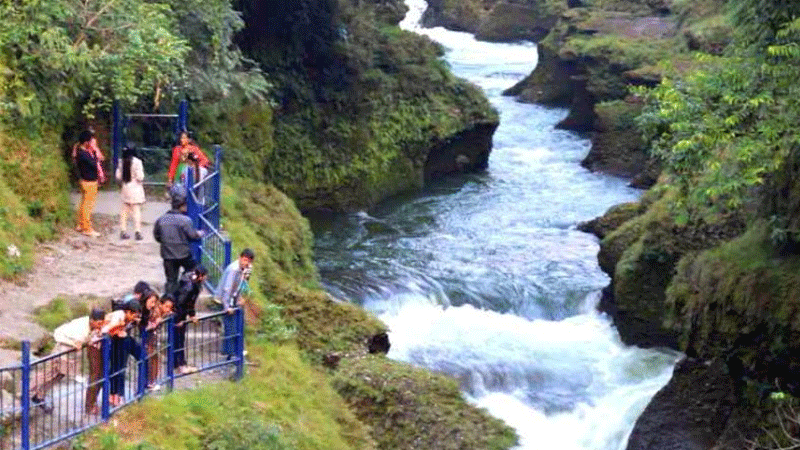
Davis Falls can be visited throughout the year, but the experience changes significantly with the seasons. Water flow, weather conditions, and visibility all play an important role in deciding the best time for your visit. Choosing the right season can enhance both sightseeing and photography.
Visiting During Monsoon Season (June to September)
The monsoon season is considered the most dramatic time to visit Davis Falls. Heavy rainfall increases the water volume, transforming the waterfall into a powerful and roaring cascade. The force of the water rushing into the underground tunnel creates an impressive natural display.
However, visitors should be cautious during this period. Pathways can be slippery, and water spray may reduce visibility. Wearing proper footwear and following safety instructions is essential. Despite these challenges, monsoon remains the best time to witness the full power of Davis Falls.
Autumn and Spring Weather Conditions
Autumn from October to November and spring from March to May are the most comfortable seasons to visit Davis Falls. The weather is generally clear, pleasant, and ideal for sightseeing. During these months, the waterfall maintains a steady flow without being too intense.
These seasons are perfect for travelers who prefer a balanced experience with good weather and safe walking conditions. Clear skies also make it easier to combine Davis Falls with nearby attractions like Gupteshwor Mahadev Cave and World Peace Pagoda.
Winter and Summer Travel Experience
Winter from December to February offers a calm and peaceful visit to Davis Falls. The water flow is lower, but the surroundings are quiet and less crowded. This season is suitable for travelers who enjoy relaxed sightseeing and cooler temperatures.
Summer from June to early July can be warm, but it is still a good time to visit in the early morning or late afternoon. The waterfall begins to gain strength as the monsoon approaches, offering a preview of its powerful form.
Best Time of Day for Photography
The best time of day to visit Davis Falls for photography is early morning or late afternoon. During these hours, the light is softer, and shadows are less harsh, making it easier to capture details of the waterfall and surrounding rocks.
Midday can be challenging due to strong sunlight and water spray, especially during the monsoon. Visiting during quieter hours also helps avoid crowds and allows more time to enjoy the viewpoints.
Things to Do at Davis Falls
Although Davis Falls is a natural attraction, there are several enjoyable activities that visitors can experience during their visit. From observing the waterfall to exploring nearby areas, the site offers more than just a quick stop.
Viewing Platforms and Observation Areas
Davis Falls features well-maintained viewing platforms that allow visitors to safely observe the waterfall from different angles. These platforms provide close-up views of the water plunging into the underground gorge.
Safety railings and designated walkways make it easy for visitors of all ages to enjoy the site. Taking time to explore each viewpoint helps visitors fully appreciate the scale and power of the waterfall.
Photography Tips for Visitors
For the best photos, use a fast shutter speed to capture the movement of the water, especially during the monsoon season. Protect your camera or phone from water spray, as the mist can be strong near the viewing areas.
Wide-angle shots work well to capture the surrounding landscape, while close-up shots highlight the force of the falling water. Visiting during less crowded hours also makes photography easier and more enjoyable.
Short Walks and Sightseeing Around the Falls
Visitors can enjoy short walks around the Davis Falls area, which is landscaped and easy to explore. The surrounding paths offer different viewpoints and a chance to relax while enjoying the natural environment.
Many travelers combine their visit with nearby attractions such as Gupteshwor Mahadev Cave and the Tibetan Refugee Camp. This makes Davis Falls a perfect stop on a half-day or full-day Pokhara sightseeing tour.
Entry Fee and Opening Hours
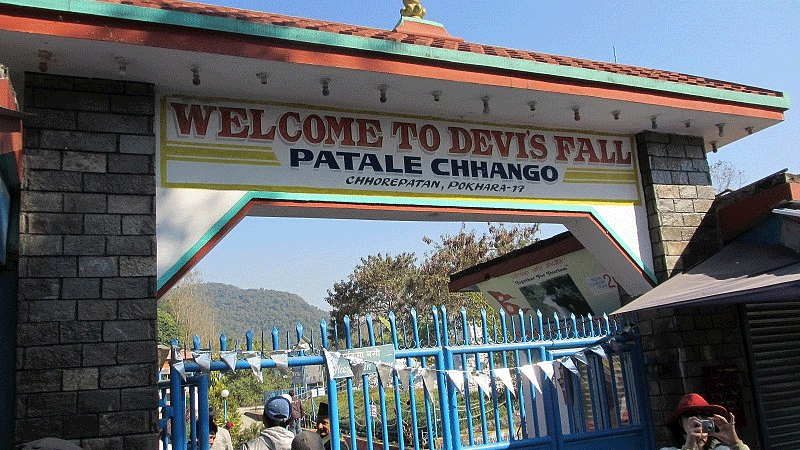
Before planning a visit to Davis Falls, it is helpful to know the entry fee structure and opening hours. The site is well-managed, affordable, and suitable for travelers of all budgets.
Davis Falls Entry Fee for Foreigners, SAARC, and Nepali Visitors
The entry fee for Davis Falls varies based on nationality.
- Foreign nationals: NPR 300 per person
- SAARC country visitors: NPR 150 per person
- Nepali citizens: NPR 50 per person
Children are usually charged a reduced fee, and prices may change slightly during peak seasons. It is recommended to carry cash, as card payment may not always be available at the ticket counter.
Opening and Closing Time Details
Davis Falls is generally open every day of the week, including public holidays.
- Opening time: Around 8:00 AM
- Closing time: Around 6:00 PM
Visiting during morning hours is ideal for a quieter experience, while afternoon visits offer better light for photography in most seasons. During the monsoon, it is advisable to visit earlier in the day for safety and visibility.
Ticket Counters and Facilities Available
The ticket counter is located near the main entrance and is easy to find. After entry, visitors can access paved walkways, viewing platforms, and safety railings around the waterfall.
Basic facilities such as restrooms, seating areas, and small souvenir stalls are available nearby. Local shops and cafes can also be found just outside the entrance, making it convenient to take a short break after the visit.
How to Reach Davis Falls Pokhara
Davis Falls is conveniently located and easy to reach from major tourist areas in Pokhara. Whether traveling independently or with a guide, reaching the site is simple and hassle-free.
Reaching Davis Falls From Lakeside
From Pokhara Lakeside, Davis Falls is approximately 2 kilometers away. The drive usually takes 10 to 15 minutes, depending on traffic conditions.
Visitors can reach the waterfall by taxi, private vehicle, or rented scooter. The route is well-paved and clearly marked, making it suitable even for first-time visitors to Pokhara.
Taxi, Bicycle, and Local Bus Options
Taxis are the most comfortable and popular option for reaching Davis Falls, especially for families and groups. Bicycle rentals are also available in Lakeside for travelers who prefer an active and eco-friendly option.
Local buses operate along the main road near Davis Falls and are the most budget-friendly choice. However, buses can be crowded and may require a short walk from the drop-off point to the entrance.
Visiting Davis Falls as Part of a Pokhara City Tour
Many travelers choose to visit Davis Falls as part of a Pokhara city sightseeing tour. These tours usually include other major attractions such as Gupteshwor Mahadev Cave, World Peace Pagoda, Bindabasini Temple, and Phewa Lake.
A guided city tour saves time and provides local insights, making it an excellent option for first-time visitors. It also allows travelers to explore multiple highlights of Pokhara comfortably in one day.
Nearby Attractions Around Davis Falls
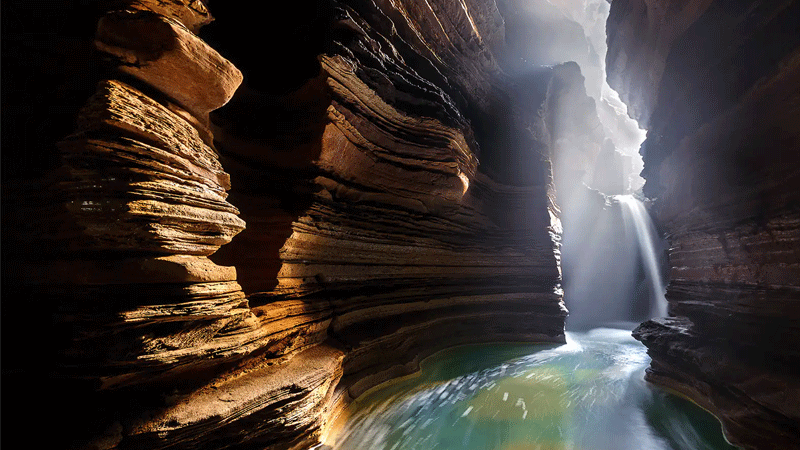
One of the advantages of visiting Davis Falls is its proximity to several of Pokhara’s most popular attractions. Travelers can easily combine multiple sightseeing spots in a single trip, making the visit both time-efficient and rewarding.
Gupteshwor Mahadev Cave
Gupteshwor Mahadev Cave is located directly opposite Davis Falls and is one of the most important spiritual sites in Pokhara. Dedicated to Lord Shiva, the cave holds strong religious significance for Hindu devotees.
Inside the cave, visitors can witness the underground flow of water from Davis Falls, creating a unique blend of natural beauty and spiritual atmosphere. The cave is well-lit and managed, but there are steps inside, so visitors should move carefully.
Tibetan Refugee Camp
A short distance from Davis Falls lies the Tibetan Refugee Camp, also known as the Tashi Ling Settlement. This area offers insight into Tibetan culture, lifestyle, and craftsmanship.
Visitors can explore handicraft shops selling prayer flags, carpets, jewelry, and traditional souvenirs. The camp is a meaningful stop for those interested in culture and history, and it adds depth to a Pokhara sightseeing tour.
World Peace Pagoda
The World Peace Pagoda is located on a hilltop overlooking Pokhara and offers panoramic views of Phewa Lake, Pokhara city, and the Annapurna mountain range on clear days.
Many travelers visit the pagoda after exploring Davis Falls. It can be reached by a short drive followed by a walk. The peaceful environment makes it an ideal place for reflection and photography.
Phewa Lake and Lakeside Area
Phewa Lake and the Lakeside area are the heart of Pokhara’s tourism scene. After visiting Davis Falls, many travelers head to Lakeside to enjoy boating, lakeside cafes, shopping, and sunset views.
The relaxed atmosphere of Lakeside provides a perfect contrast to the powerful natural experience of Davis Falls, making it a great way to end a day of sightseeing.
Travel Tips for Visiting Davis Falls
Planning ahead can make your visit to Davis Falls safer and more enjoyable. These practical travel tips will help you have a smooth experience at the site.
Safety Tips During the Monsoon
During the monsoon season, the pathways around Davis Falls can become slippery due to rain and water spray. Visitors should stay within designated walkways and avoid leaning over railings.
Wearing shoes with good grip is essential, and it is best to keep a safe distance from the edge. Following local safety instructions ensures a secure and pleasant visit.
What to Wear and Carry
Comfortable clothing and sturdy footwear are recommended when visiting Davis Falls. During the monsoon, carrying a light rain jacket or umbrella is useful due to frequent showers.
Protect electronic devices from water spray, especially near viewing platforms. Carrying drinking water and small cash is also helpful, as nearby shops may not accept digital payments.
Time Required for a Visit
A typical visit to Davis Falls takes around 30 to 45 minutes, including time for sightseeing and photography. Travelers who plan to visit Gupteshwor Mahadev Cave should allow an additional 30 minutes.
When combined with nearby attractions, Davis Falls fits easily into a half-day Pokhara sightseeing itinerary.
Accessibility Information for Elderly Visitors
Davis Falls is generally accessible for elderly visitors, with paved walkways and resting areas available. However, there are some steps and uneven surfaces near the viewing platforms.
Visitors with mobility concerns should take their time and may prefer to visit during less crowded hours. Assistance from companions or guides can make the experience more comfortable.
Full Day Pokhara City Sightseeing Tour
Discover Davis Falls, Gupteshwor Mahadev Cave, World Peace Pagoda, and more in one comfortable day tour.
👉 Book Pokhara City Tour:
https://www.easytournepal.com/full-day-pokhara-city-sightseeing-tour
Davis Falls in Pokhara City Tour Itinerary
Davis Falls is a key highlight in most Pokhara sightseeing itineraries due to its location and unique natural features. It fits easily into both half-day and full-day tours, making it suitable for travelers with different schedules.
Half-Day Pokhara Sightseeing Route
A half-day Pokhara sightseeing tour including Davis Falls usually begins from Lakeside. The route often covers Davis Falls, Gupteshwor Mahadev Cave, the Tibetan Refugee Camp, and Phewa Lake.
This option is ideal for travelers with limited time who still want to experience Pokhara’s top natural and cultural attractions. The tour typically takes around 4 to 5 hours and offers a comfortable and well-paced experience.
Full-Day Pokhara Tour Including Davis Falls
A full-day Pokhara tour allows visitors to explore Davis Falls along with major landmarks across the city. In addition to Davis Falls and Gupteshwor Mahadev Cave, the itinerary often includes World Peace Pagoda, Bindabasini Temple, Seti River Gorge, and Lakeside.
This option is perfect for first-time visitors who want a comprehensive overview of Pokhara. A guided full-day tour provides better insights and eliminates the hassle of transportation planning.
Ideal Tour Combinations for First-Time Visitors
For first-time visitors, combining Davis Falls with nearby attractions creates a balanced travel experience. A popular combination includes Davis Falls, Gupteshwor Mahadev Cave, World Peace Pagoda, and Phewa Lake boating.
These combinations offer a mix of nature, culture, and relaxation, making them suitable for families, couples, and solo travelers. Booking a city tour is often the most convenient way to experience all these highlights in one day.
Frequently Asked Questions About Davis Falls
This section answers some of the most common questions travelers have before visiting Davis Falls, helping them plan their trip with confidence.
Is Davis Falls Safe to Visit
Yes, Davis Falls is safe to visit when basic safety guidelines are followed. The site has proper walkways, viewing platforms, and safety railings for visitors.
Extra caution is advised during the monsoon season due to slippery paths and strong water flow. Staying within designated areas ensures a safe experience.
How Long Does It Take to Explore Davis Falls
Most visitors spend about 30 to 45 minutes exploring Davis Falls. This includes time for viewing, walking around the platforms, and photography.
If you plan to visit Gupteshwor Mahadev Cave as well, allow an additional 30 minutes for a complete experience.
Can You Visit Davis Falls With Family and Children
Yes, Davis Falls is suitable for families and children. The pathways are well-maintained, and the viewing areas are safe for supervised children.
Parents should closely monitor young children, especially during the monsoon season, due to water spray and slippery surfaces.
Is Davis Falls Worth Visiting
Davis Falls is absolutely worth visiting, especially for travelers exploring Pokhara for the first time. Its underground waterfall, powerful seasonal flow, and cultural connection make it a unique attraction in Nepal.
The site is easy to access, affordable, and located near other major attractions, making it a valuable addition to any Pokhara travel itinerary.
Conclusion
Why Davis Falls Should Be on Your Pokhara Travel List
Davis Falls is more than just a waterfall. It is a rare natural wonder, shaped by powerful underground flow and surrounded by cultural and spiritual significance. Its dramatic seasonal changes, tragic history, and close connection to Gupteshwor Mahadev Cave make it one of the most meaningful attractions in Pokhara.
Easy to reach and close to many top landmarks, Davis Falls fits perfectly into both short visits and detailed city tours. Whether you are a first-time visitor or returning to Pokhara, this iconic site offers a memorable experience that reflects the natural beauty and depth of Nepal.
Final Travel Tips for a Memorable Visit
Visit early in the morning or late afternoon for better light and fewer crowds. Wear comfortable shoes, especially during the monsoon season, and keep your camera protected from water spray. Combine Davis Falls with nearby attractions to make the most of your time in Pokhara.
For a smooth and well-planned experience, visiting Davis Falls as part of a guided tour is highly recommended.
8 Days Kathmandu Pokhara City Tour Package
A complete Nepal experience covering Kathmandu and Pokhara, including Davis Falls and major cultural landmarks.
👉 Explore 8-Day Tour:
https://www.easytournepal.com/8-days-kathmandu-pokhara-city-tour-package