
Introduction
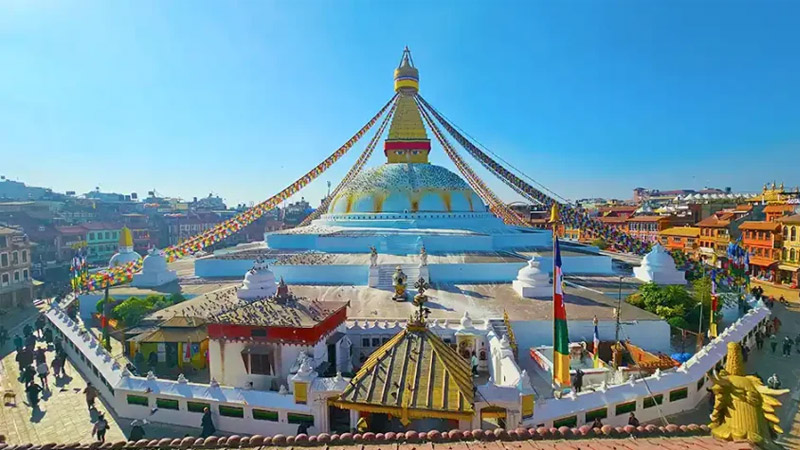
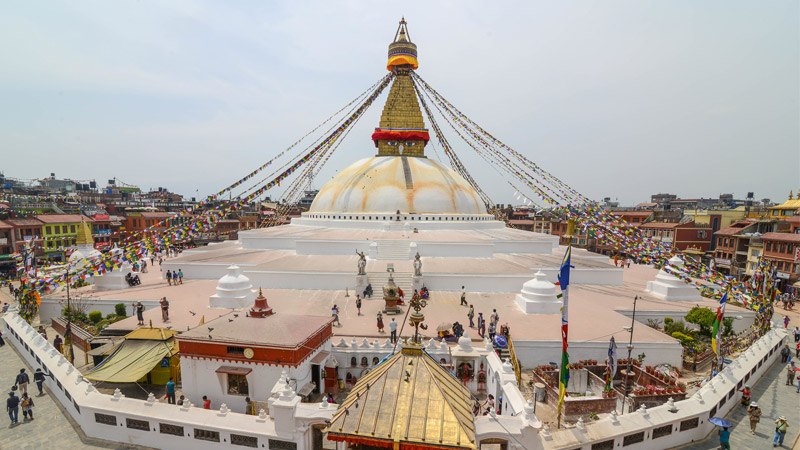
Boudhanath Stupa, located in the heart of Kathmandu, is one of the largest and most iconic stupas in Nepal. Recognized as a UNESCO World Heritage Site, it stands as a symbol of Tibetan Buddhism and attracts thousands of pilgrims, monks, and travelers every year. Its massive white dome, golden spire adorned with the eyes of Buddha, and surrounding monasteries make it a mesmerizing destination for both spiritual seekers and tourists.
Whether you’re interested in experiencing Nepal’s rich cultural heritage, observing traditional Buddhist rituals, or simply capturing stunning photographs of one of Kathmandu’s most famous landmarks, Boudhanath Stupa is a must-visit spot that should be on every traveler’s itinerary.
About Boudhanath Stupa
History and Significance
Boudhanath Stupa is believed to have been built in the 14th century, although some legends trace its origins back even earlier. It was constructed after the Lichhavi period and has long served as a center of Buddhist learning and spiritual practice in Nepal. The stupa’s massive dome and towering spire symbolize the Buddhist path to enlightenment, attracting pilgrims from Tibet, Nepal, and around the world.
For Buddhists, Boudhanath Stupa is a sacred site where prayers, rituals, and meditation are performed daily. Locals also hold deep cultural reverence for the stupa, often gathering here during important festivals such as Losar (Tibetan New Year) and Buddha Jayanti. Beyond its spiritual significance, Boudhanath has become a cultural icon of Kathmandu, offering travelers a glimpse into Nepal’s rich Buddhist heritage.
Architectural Highlights
Boudhanath Stupa is instantly recognizable by its massive white dome and golden spire adorned with Buddha’s eyes, which are visible from every direction. The dome represents the earth, while the spire symbolizes the path to enlightenment. Surrounding the stupa are hundreds of prayer wheels, which devotees spin as they walk clockwise around the structure—a ritual known as “kora.”
The stupa is encircled by Tibetan monasteries (gompas), colorful shops, and cafes, creating a vibrant yet peaceful environment. Its imposing size makes it one of the largest spherical stupas in the world, standing as both an architectural marvel and a spiritual beacon in Kathmandu.
How to Reach Boudhanath Stupa

From Kathmandu City Center
Boudhanath Stupa is easily accessible from the heart of Kathmandu, making it convenient for travelers staying in the city. If you’re in Thamel, Durbar Marg, or nearby areas, you have several options:
Taxi: The quickest and most comfortable way to reach the stupa. A taxi from Thamel typically takes 20–30 minutes, depending on traffic, and costs around NPR 400–600.
Local Bus: For budget travelers, local buses run frequently from major points in Kathmandu to Boudhanath. Travel time may vary between 30–45 minutes, depending on traffic.
Walking: If you are staying nearby, such as in the Boudha or Baluwatar area, the stupa is within walking distance, allowing you to enjoy the local streets and shops along the way.
Travelers are advised to plan for Kathmandu’s traffic during peak hours, which can extend travel time significantly.
From Tribhuvan International Airport
Boudhanath Stupa is located about 11 km (7 miles) from Tribhuvan International Airport, making it a convenient first stop for visitors arriving in Nepal.
By Taxi or Private Car: The most comfortable option for travelers with luggage. Travel time is approximately 30–40 minutes, depending on traffic, and fares generally range from NPR 700–1000.
Airport Shuttle or Ride-Hailing Apps: Some services provide rides directly to Boudhanath, which can be a cost-effective and hassle-free alternative.
For first-time visitors, hiring a taxi or private car is recommended, especially if you want to reach the stupa quickly and comfortably after a long flight.
Full Day Kathmandu Sightseeing Tour
"Explore Kathmandu’s cultural gems, including Boudhanath Stupa, in just one day! Book your full-day sightseeing tour now."
Entry Fee and Visiting Hours

Entry Fee
Visiting Boudhanath Stupa is affordable and accessible for everyone. The entry fee varies for local and international visitors:
-
Local Nepali citizens: Free or a nominal fee of NPR 30–50.
-
International tourists: Around NPR 400–500 per person.
For travelers interested in a guided tour, many local guides and travel agencies offer packages ranging from NPR 800–1500, which include detailed insights into the stupa’s history, architecture, and religious significance. Some guided tours also combine visits to nearby monasteries and cultural sites, providing a more immersive experience.
Opening Hours
Boudhanath Stupa is open daily, allowing visitors to plan their visit according to their schedule.
-
Standard visiting hours: 5:00 AM – 9:00 PM.
-
Best time to visit: Early morning or late afternoon. Visiting at sunrise provides a serene experience with fewer crowds, while sunset offers stunning views of the golden spire against the evening sky.
-
Prayer times: Monks and devotees perform rituals throughout the day, with larger gatherings in the morning and evening, giving visitors a chance to witness traditional Buddhist practices.
Pro tip: Arrive early to enjoy a peaceful walk around the stupa and capture photographs without heavy crowds.
Things to Do at Boudhanath Stupa

H3: Walking Around the Stupa (Kora)
One of the most spiritual experiences at Boudhanath Stupa is walking around the stupa, a practice known as kora. Pilgrims and visitors walk clockwise around the massive dome, spinning the hundreds of prayer wheels along the way. This ritual is believed to accumulate merit and bring good karma.
While performing the kora, you’ll have the chance to interact with monks and locals, observe traditional chanting, and experience the peaceful rhythm of daily life around the stupa. Even if you’re not Buddhist, participating respectfully in this practice offers a unique cultural and spiritual insight.
Visit the Surrounding Monasteries
Boudhanath Stupa is surrounded by numerous Tibetan Buddhist monasteries (gompas), many of which are open to visitors. Popular ones include Thrangu Tashi Yangtse Monastery, Shechen Monastery, and Kopan Monastery nearby.
Visiting these gompas allows travelers to learn about Tibetan Buddhism, meditation practices, and Buddhist art, including vibrant murals, statues, and prayer halls. Many monasteries offer short meditation sessions or teachings, giving a deeper understanding of the spiritual significance of the stupa and the Tibetan Buddhist community.
Shopping and Local Experience
The area around Boudhanath is bustling with shops selling Tibetan handicrafts, prayer flags, statues, jewelry, and souvenirs. Walking through the narrow alleys is an immersive experience of local culture and craftsmanship.
You’ll also find cafes and rooftop restaurants overlooking the stupa. These spots are perfect for relaxing with a cup of tea or coffee while enjoying panoramic views of the golden spire, prayer wheels, and vibrant activity below.
Photography and Best Viewpoints
Boudhanath Stupa is a photographer’s paradise. Capture the golden spire, eyes of Buddha, colorful prayer flags, and the bustling kora for truly memorable shots.
Best times for photography:
-
Sunrise: Soft morning light and fewer crowds.
-
Sunset: Golden hour illuminates the stupa beautifully against the sky.
Tips: Use a wide-angle lens for the entire dome or zoom in for close-ups of intricate prayer wheels and murals. Respect worshippers while taking photos.
2 Days Kathmandu Valley Sightseeing Tour
"Discover the best of Kathmandu Valley, from Boudhanath Stupa to ancient temples. Reserve your 2-day sightseeing adventure today!"
Nearby Attractions

Boudhanath Stupa is not only a spiritual hub but also a great starting point to explore some of Kathmandu’s top attractions. Here are a few must-visit sites nearby:
Kopan Monastery
Located just a short distance from Boudhanath, Kopan Monastery is one of Nepal’s most famous Tibetan Buddhist centers. Visitors can explore the monastery’s beautiful architecture, attend meditation sessions, or participate in short courses on Buddhist philosophy. Its peaceful environment and panoramic views make it an ideal stop for travelers looking to experience authentic spiritual practices.
Pashupatinath Temple
Only 5–6 km from Boudhanath, Pashupatinath Temple is one of the holiest Hindu temples in Nepal. Known for its majestic architecture and sacred Bagmati River, it’s a fascinating cultural complement to your visit to Boudhanath. Witnessing rituals, cremation ceremonies, and traditional festivals provides a deeper understanding of Nepal’s rich religious diversity.
Thamel Area for Shopping and Dining
For travelers interested in shopping and local cuisine, the Thamel area is about 15–20 minutes away by taxi. Thamel is famous for souvenir shops, handicrafts, trekking gear, and restaurants serving both Nepali and international dishes. It’s a perfect place to unwind after a spiritual morning at Boudhanath or pick up unique gifts and memorabilia.
Tips for Visiting Boudhanath Stupa

Visiting Boudhanath Stupa is a memorable experience, but keeping a few practical tips in mind will help you make the most of your trip:
Respect Local Customs
Boudhanath Stupa is a sacred Buddhist site, so it’s important to dress modestly. Cover your shoulders and knees, and avoid revealing clothing. Remove your shoes before entering the stupa area or walking around the sacred dome. Maintaining silence or speaking softly shows respect for pilgrims and monks performing their rituals.
Plan Around Crowds and Weather
The stupa can get crowded, especially during festivals such as Losar (Tibetan New Year) or Buddha Jayanti. If you prefer a quieter visit, try early mornings or late afternoons on weekdays. Avoid visiting during heavy rains, as the surrounding areas can get slippery and less enjoyable.
Recommended Duration for the Visit
A typical visit to Boudhanath Stupa can take anywhere from 1.5 to 3 hours, depending on your interests. This allows enough time to walk the kora, explore surrounding monasteries, shop for souvenirs, and enjoy rooftop cafes without feeling rushed.
Pro tip: Take a camera or smartphone with good battery life, as there are countless photo opportunities and moments worth capturing throughout your visit.
Conclusion
Why Boudhanath Stupa Should Be on Your Kathmandu Itinerary
Boudhanath Stupa is more than just a landmark; it offers a deep spiritual experience and a glimpse into Nepal’s rich cultural heritage. Whether you’re observing monks performing rituals, spinning prayer wheels, or simply soaking in the serene atmosphere, the stupa leaves a lasting impression on every visitor.
Its easy accessibility from Kathmandu city makes it a convenient stop for both day-trippers and travelers exploring the city. The stupa’s iconic golden spire, vibrant prayer flags, and surrounding monasteries also provide some of the most memorable photography opportunities in Nepal.
Final Travel Tips
-
Stay hydrated and wear comfortable shoes, as exploring the stupa and surrounding area involves a fair amount of walking.
-
Consider hiring a guide or joining a small guided tour to gain deeper insights into the stupa’s history, architecture, and religious significance.
-
Respect the local customs, take your time to enjoy the peaceful surroundings, and don’t rush your visit, the stupa is best experienced at a relaxed pace.
Boudhanath Stupa is truly a must-visit destination in Kathmandu, offering a perfect blend of spirituality, culture, and scenic beauty for travelers of all kinds.
Kathmandu, Pokhara & Chitwan Tour
"Experience Nepal’s highlights, including Boudhanath Stupa, Pokhara’s beauty, and Chitwan wildlife. Book your multi-city tour now!"