
Introduction
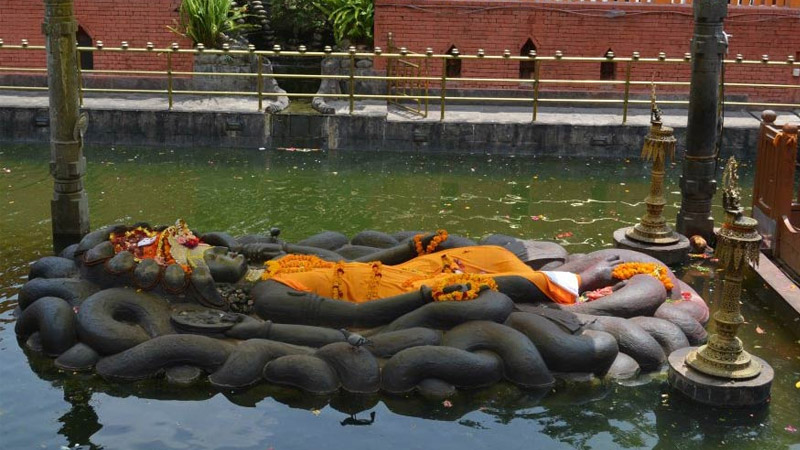
Nestled in the northern part of Kathmandu, Budhanilkantha is one of Nepal’s most revered Hindu temples, famous for its magnificent Sleeping Vishnu statue. Carved from a single black basalt stone, this reclining deity lies peacefully in a pond, symbolizing divine rest and cosmic balance.
A visit to Budhanilkantha is more than just sightseeing, it offers a deep cultural and spiritual experience. Located approximately 10 kilometers from Kathmandu city center, the temple is easily accessible for travelers looking to explore the religious heritage of the Kathmandu Valley.
The temple’s serene surroundings, beautifully maintained gardens, and traditional architecture make it a must-visit destination for tourists and photographers alike. Whether you’re drawn by spirituality, history, or simply the chance to witness one of the largest reclining Vishnu statues in the world, Budhanilkantha promises an unforgettable experience.
About Budhanilkantha (Sleeping Vishnu)

History of Budhanilkantha Temple
Budhanilkantha Temple, also known as Sleeping Vishnu Temple, is one of the oldest and most sacred Hindu temples in Nepal. Its origins are steeped in mythology and legend, with references dating back centuries. According to local belief, the temple was built on the spot where Lord Vishnu rests in the cosmic ocean, symbolizing the balance between creation and preservation.
One of the most fascinating stories associated with Budhanilkantha is that of Vishnu’s eternal sleep, or Yoga Nidra. Legends say that Vishnu lies on a serpent bed (Sheshanaga) in the holy pond, maintaining cosmic order while the world rests around him. The temple has long been a spiritual hub for devotees, attracting pilgrims from across Nepal and India.
In Hindu culture, Budhanilkantha is highly revered as a place where devotees can seek blessings for prosperity, protection, and spiritual growth. It plays a central role during festivals such as Haribodhini Ekadashi, when thousands gather to pay homage to the reclining deity.
The Sleeping Vishnu Statue
The Sleeping Vishnu statue is the highlight of Budhanilkantha Temple and a marvel of Nepalese craftsmanship. Carved from a single black basalt stone, the statue measures approximately 5 meters in length, making it one of the largest reclining Vishnu statues in the world. Vishnu rests on the coils of the multi-headed serpent Sheshanaga, with intricate carvings depicting divine ornaments and facial features.
The reclining posture of Vishnu, known as Yoga Nidra, symbolizes rest, balance, and the cyclical nature of the universe. It represents the moment of cosmic tranquility before creation begins anew, offering visitors a glimpse into Hindu cosmology and philosophy.
Beyond its artistic and mythological importance, the statue holds immense religious significance. Devotees believe that paying respect at Budhanilkantha brings spiritual peace and divine blessings. The calm and serene atmosphere surrounding the statue also makes it a perfect spot for meditation, reflection, and photography.
Things to See at Budhanilkantha

Main Attractions Inside the Temple
The main attraction at Budhanilkantha is, of course, the Sleeping Vishnu statue. Carved from a single black basalt stone, the statue lies gracefully on the coils of the multi-headed serpent Sheshanaga, with intricate detailing on Vishnu’s crown, ornaments, and serene facial features. This impressive statue not only showcases the skill of ancient Nepalese artisans but also provides a powerful symbol of divine tranquility.
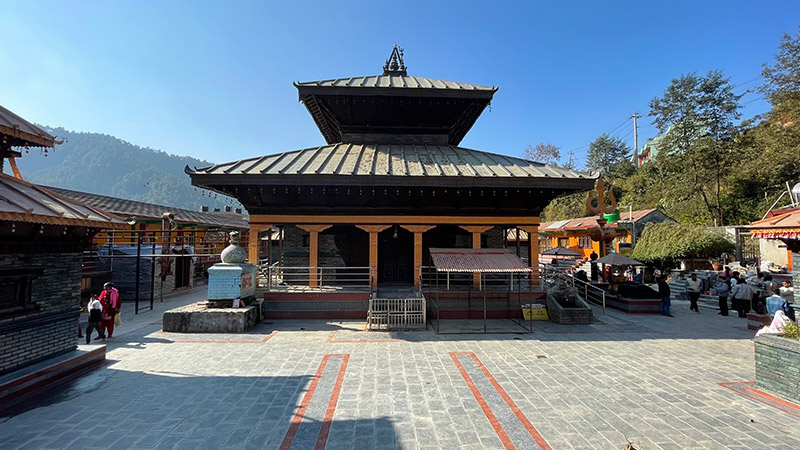
The temple architecture itself is equally captivating. Built in a traditional Nepalese style, it features beautifully carved wooden pillars, stone sculptures, and decorative motifs that reflect centuries of religious devotion. Visitors often take time to admire the subtle details of the carvings, which depict various mythological scenes and deities associated with Hinduism.
The temple’s surrounding gardens and holy pond add to the spiritual ambiance. Lush greenery, flowering plants, and calm waters create a peaceful environment perfect for meditation, photography, or simply enjoying a quiet moment away from the hustle of Kathmandu city.
Nearby Attractions
While Budhanilkantha itself is a highlight, the surrounding area offers several other interesting spots to explore:
-
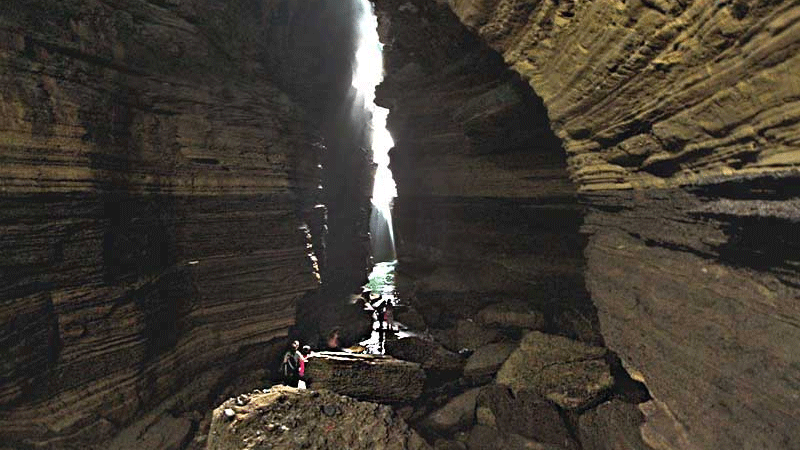
Tarakeshwor Mahadev Temple: Located just a short distance away, this ancient Shiva temple is famous for its unique rock formations and sacred pond. It’s a serene spot for pilgrims and travelers alike.
-
Local markets and cultural spots: Explore nearby villages to experience local life, shop for traditional handicrafts, and taste authentic Nepali snacks.
-
Scenic viewpoints: The area around Budhanilkantha provides beautiful views of the Kathmandu Valley, making it a great stop for photography and enjoying panoramic landscapes.
Visiting Budhanilkantha allows travelers to combine spiritual experiences with cultural exploration, offering a full glimpse of Nepal’s rich heritage.
"Visit Budhanilkantha and other sacred Hindu sites in a single day! Explore the spiritual heart of Kathmandu with our Kathmandu Hindu Pilgrimage Day Tour."
Visiting Information

Opening Hours & Best Time to Visit
Budhanilkantha Temple is open daily from early morning to late afternoon, typically 6:00 AM to 5:00 PM. Visitors are welcome throughout the day, but the best time to explore the temple is in the morning, when the atmosphere is peaceful and the sunlight beautifully illuminates the Sleeping Vishnu statue.
If you’re a photography enthusiast, consider visiting during the early hours of the day or late afternoon for the best lighting. Additionally, special occasions like Haribodhini Ekadashi attract large crowds, offering a vibrant cultural experience, but visiting during these festivals may require extra patience due to the influx of devotees.
Entry Fee & Rules
Entry to Budhanilkantha Temple is generally free for all visitors, although donations are welcomed to support temple maintenance.
Visitors should follow these temple etiquette rules:
-
Dress modestly, covering shoulders and knees.
-
Remove shoes before entering the temple premises.
-
Maintain silence and respect the spiritual atmosphere.
-
Photography is usually allowed outside the main sanctum, but avoid using flash near the statue and follow any instructions from temple staff.
By respecting these rules, visitors can enjoy a meaningful and serene experience while honoring local traditions.
How to Reach Budhanilkantha
Budhanilkantha is located about 10 kilometers north of Kathmandu city center, making it easily accessible for both local and international travelers.
Transportation options include:
-
Public buses: Local buses run regularly from Kathmandu city to Budhanilkantha.
-
Taxis and ride-hailing services: A convenient and faster option, taking around 30–40 minutes from Thamel or central Kathmandu.
-
Private tours: Many Kathmandu sightseeing tours include Budhanilkantha as a stop, which is ideal for travelers seeking a guided experience.
Parking facilities are available near the temple for those traveling by private vehicle.
Visiting Budhanilkantha is straightforward, whether you’re planning a self-guided trip or joining a full-day tour around Kathmandu’s cultural sites.
Tips for Visitors

Travel Tips
Visiting Budhanilkantha can be a serene and memorable experience if you plan your trip thoughtfully. The best time to visit is early morning, when the temple grounds are peaceful and the sunlight gently illuminates the Sleeping Vishnu statue, making it ideal for photography. Late afternoons are also a great option to enjoy the soft, warm glow over the gardens and pond.
Travelers should carry essentials like water, sunscreen, a hat for sun protection, and a camera to capture the stunning details of the temple. Comfortable walking shoes are recommended for exploring the temple grounds and surrounding areas. While the site is generally safe, visitors should be mindful of personal belongings and exercise caution around the pond, especially when visiting with children.
Cultural Etiquette
Budhanilkantha is a sacred Hindu site, so it’s important to respect local customs and traditions during your visit. Observe the worship rituals quietly and avoid interrupting devotees while they offer prayers. Interacting with priests should be done politely, following any guidance they provide. Photography of worshippers should be approached with sensitivity, ensuring you do not disturb their spiritual practice.
Visitors are expected to remove shoes before entering the temple area and dress modestly, keeping shoulders and knees covered. Maintaining a respectful silence, avoiding loud conversations, and adhering to temple rules regarding photography and offerings will allow you to fully experience the spiritual ambiance of the temple and show reverence for its cultural significance.
Conclusion
Why Budhanilkantha Should Be on Your Kathmandu Itinerary
Budhanilkantha is a must-visit destination for anyone exploring Kathmandu due to its rich spiritual significance and serene atmosphere. The temple offers a unique opportunity to witness Nepalese religious traditions up close while appreciating the artistic brilliance of the Sleeping Vishnu statue.
Beyond its spiritual appeal, Budhanilkantha provides a fantastic cultural and photographic experience, with beautifully landscaped gardens, the tranquil holy pond, and detailed temple architecture that make every visit memorable. Its convenient location, just a short drive from the city center, ensures that it is easily accessible for both short day trips and longer explorations of the Kathmandu Valley.
Final Tips for a Memorable Visit
To make the most of your visit to Budhanilkantha, plan ahead, especially if you are visiting during festivals or weekends, when the temple can become crowded. Take the time to respect local religious practices, dress modestly, and observe temple etiquette to fully immerse yourself in the spiritual ambiance.
Don’t forget to capture the beauty and history of the temple through photos, while also taking a moment to simply enjoy the serene environment and contemplate the cultural heritage that surrounds you. A visit to Budhanilkantha is not just sightseeing, it’s an experience that combines spirituality, culture, and art in one unforgettable destination.
"Experience the perfect blend of Hindu and Buddhist heritage, including Budhanilkantha, on our Kathmandu Hindu and Buddhist Pilgrimage Tour."