
Introduction
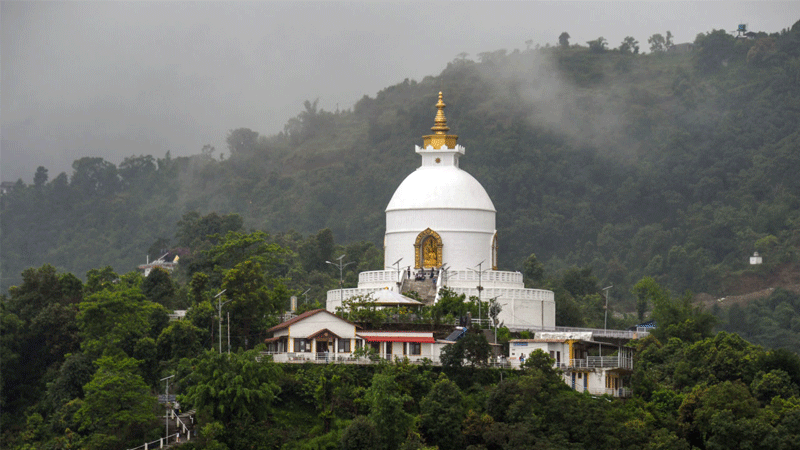
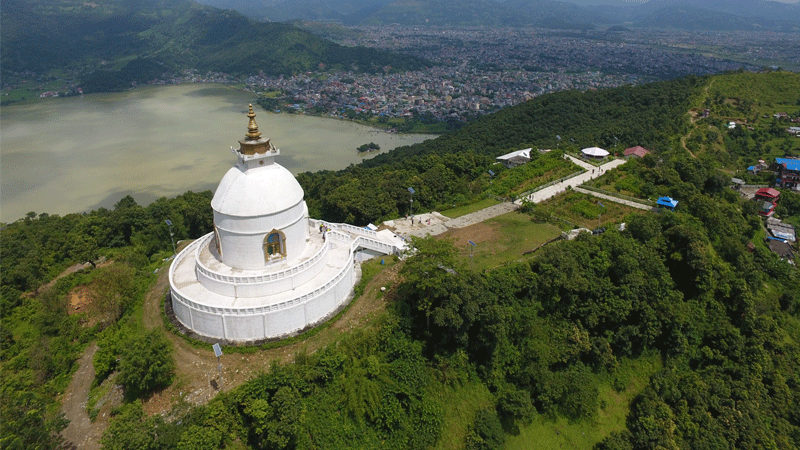
World Peace Pagoda Pokhara, also known as Shanti Stupa, is one of the most peaceful and scenic landmarks in the city. Perched on Anadu Hill above Phewa Lake, this white Buddhist monument offers a calm spiritual atmosphere along with breathtaking panoramic views of Pokhara Valley, the Annapurna mountain range, and the shimmering lake below.
Shanti Stupa is considered one of the top viewpoints in Pokhara because it combines natural beauty, spiritual significance, and easy accessibility. From sunrise to sunset, visitors are rewarded with wide-angle views that include Machhapuchhre, Annapurna South, Dhaulagiri on clear days, and the entire Lakeside area of Pokhara.
In this complete travel guide, you will learn about the meaning, history, and importance of the World Peace Pagoda, along with practical information to help you plan your visit. This guide covers everything from its background and symbolism to why it remains a must-visit attraction in Pokhara.
Overview of World Peace Pagoda (Shanti Stupa) Pokhara
What Is the World Peace Pagoda
The World Peace Pagoda is a Buddhist stupa built to promote peace, unity, and harmony among people of all nations and religions. The term “Shanti Stupa” comes from the Sanskrit word Shanti, meaning peace, and Stupa, a sacred Buddhist structure that symbolizes enlightenment.
As a global peace monument, the stupa represents non-violence, tolerance, and spiritual harmony. Visitors from around the world come here not only to enjoy the views but also to experience a sense of calm and reflection. The bright white dome, combined with prayer flags and serene surroundings, creates a powerful atmosphere of peace.
History and Background
The World Peace Pagoda in Pokhara was constructed as part of the international Peace Pagoda movement, which aimed to spread the message of world peace following the devastation of World War II. The construction began under the guidance of Japanese Buddhist monks, followers of Nichidatsu Fujii, a respected Buddhist monk and peace activist.
With support from local communities and international organizations, the pagoda was completed to serve as a symbol of peace beyond borders, cultures, and beliefs. The primary purpose behind building the Shanti Stupa was to encourage harmony among people and to remind humanity of the importance of peace in a changing world.
Today, World Peace Pagoda Pokhara stands not only as a religious monument but also as a cultural and spiritual landmark, welcoming travelers, pilgrims, and nature lovers alike.
Explore Pokhara in a Day!
Cover World Peace Pagoda, Phewa Lake, Davis Falls, and more on our Full Day Pokhara City Sightseeing Tour. Enjoy hassle-free sightseeing with a local guide.
Book Your Full Day Pokhara Tour Now
Location of World Peace Pagoda Pokhara
Where Is Shanti Stupa Located
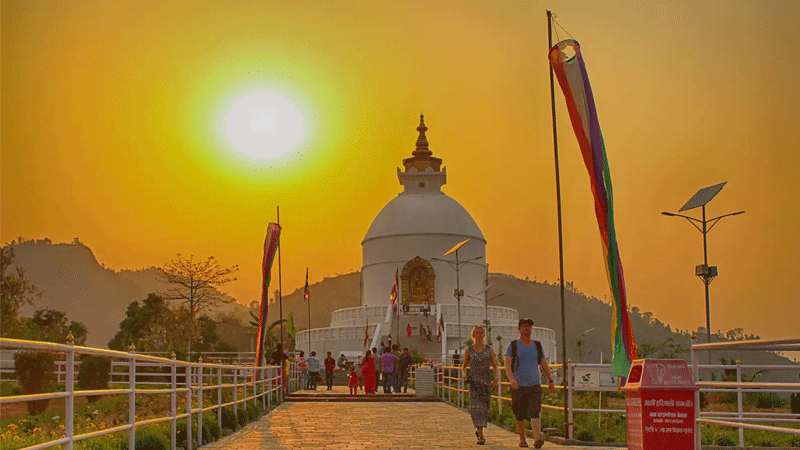
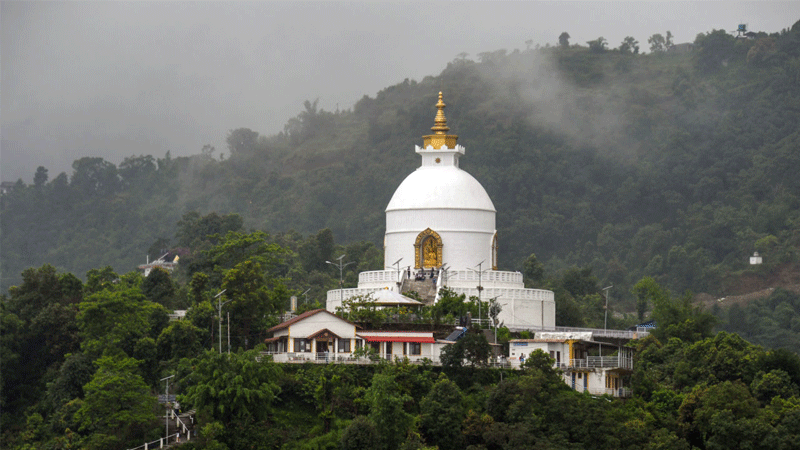
World Peace Pagoda Pokhara is located on Anadu Hill, on the southern side of Phewa Lake. The stupa sits at an elevated position, offering a clear and wide view of Pokhara Valley, Phewa Lake, and the surrounding Himalayan landscape. Its hilltop setting is one of the main reasons it is regarded as one of the best viewpoints in Pokhara.
The distance from Lakeside Pokhara to Shanti Stupa is approximately 3 to 4 kilometers, depending on the route you take. While the distance is short, the elevation gain makes the journey feel more adventurous, especially for hikers. From Lakeside, visitors can reach the pagoda by hiking, boating across Phewa Lake followed by a short hike, or by road via taxi or motorbike.
World Peace Pagoda Pokhara Map and Directions
The general route to World Peace Pagoda begins from Lakeside Pokhara, the main tourist area. One of the most popular routes involves taking a boat ride across Phewa Lake to the southern shore near the hiking trail, then walking uphill through forested paths to reach the pagoda. This route is scenic and preferred by many visitors.
Alternatively, visitors can travel by road through Damside or Khapaudi, which leads to a parking area close to the stupa, followed by a short walk. Nearby landmarks include Phewa Lake, Davis Falls, Gupteshwor Mahadev Cave, and Damside Pokhara, making it easy to combine Shanti Stupa with other popular attractions in the city.
How to Reach World Peace Pagoda Pokhara
Hiking Route to Shanti Stupa
Hiking is one of the most popular and rewarding ways to reach World Peace Pagoda Pokhara. The hike usually starts from Lakeside Pokhara or after crossing Phewa Lake by boat. Many travelers choose to walk from Lakeside through Damside, following a forested trail that gradually climbs uphill toward the pagoda.
The hiking trail is considered moderate in difficulty and is suitable for most visitors with basic fitness. The walk typically takes 1 to 1.5 hours, depending on pace and weather conditions. Along the way, hikers can expect shaded paths, stone steps, peaceful forest surroundings, and occasional viewpoints overlooking Phewa Lake. The trail is well-used and generally safe, making it a favorite option for nature lovers and adventure seekers.
Reaching World Peace Pagoda by Boat and Hike
Another scenic and enjoyable option is to combine a boat ride with a short hike. From Lakeside, visitors can take a boat across Phewa Lake to the southern shore near the base of the hill. This boat ride itself offers beautiful views of the mountains and the reflection of the pagoda on the lake.
After reaching the lakeshore, a short uphill hike of around 20 to 30 minutes leads directly to the World Peace Pagoda. The trail is well-marked and less tiring than the longer hiking route, making it ideal for travelers who want a balanced mix of relaxation and light adventure.
By Taxi or Motorbike
For those who prefer convenience, World Peace Pagoda can also be reached by taxi or motorbike via a paved road. The road route goes through Damside and Khapaudi areas, allowing visitors to reach a parking point close to the pagoda.
There is parking available near the entrance, followed by a short and easy walk to the main stupa. This option is best for families, elderly travelers, or visitors with limited time, while still allowing them to enjoy the panoramic views and peaceful atmosphere at Shanti Stupa.
World Peace Pagoda Hiking Guide
Hiking Distance and Time
The hiking distance to World Peace Pagoda Pokhara depends on the route you choose. From Lakeside Pokhara, the total walking distance is approximately 3 to 4 kilometers one way. If you take a boat across Phewa Lake and start hiking from the southern shore, the distance is much shorter, usually less than 1 kilometer uphill.
On average, the hike from Lakeside takes 1 to 1.5 hours, while the boat-and-hike option requires only 20 to 30 minutes of walking. The time may vary based on fitness level, weather conditions, and how often you stop to enjoy the views along the trail.
Difficulty Level and Fitness Requirement
The hike to Shanti Stupa is generally considered easy to moderate, making it suitable for beginners with basic fitness. The trail includes stone steps and gradual uphill sections, but it does not require technical hiking skills.
For first-time hikers, it is recommended to:
- Wear comfortable walking or hiking shoes
- Carry enough drinking water
- Take short breaks when needed
- Avoid hiking during heavy rain, as the trail can become slippery
With a relaxed pace and proper preparation, most visitors can complete the hike comfortably.
Best Time of Day for Hiking
A morning hike to World Peace Pagoda is ideal for those who want cooler temperatures and clear mountain views. Early mornings often offer peaceful surroundings, fewer crowds, and excellent visibility of the Annapurna range and Pokhara Valley.
A sunset hike is equally popular, as the viewpoint provides stunning golden-hour scenery over Phewa Lake and the city below. While evenings are more crowded, the changing colors of the sky make the hike highly rewarding. Visitors should plan to return before it gets dark or arrange transport for the way back.
Best Time to Visit World Peace Pagoda Pokhara
Best Season to Visit
The best seasons to visit World Peace Pagoda Pokhara are spring and autumn, when the weather is stable and visibility is at its best.
Spring season (March to May) brings mild temperatures, blooming flowers, and clear skies. This is an excellent time for hiking, photography, and enjoying uninterrupted views of Phewa Lake and the surrounding mountains.
Autumn season (September to November) is considered the peak travel season in Pokhara. The weather is dry, skies are crystal clear, and mountain views are at their sharpest. This season is perfect for visitors who want the best overall experience at Shanti Stupa.
During winter (December to February), mornings and evenings can be cold, but daytime weather is usually pleasant. On clear days, winter offers good visibility with fewer crowds. However, fog may occasionally block early morning views.
The monsoon season (June to August) brings frequent rain and cloudy skies. While the surroundings become lush and green, mountain views are often limited, and hiking trails can be slippery. Visiting during monsoon is possible, but extra caution is required.
Best Time of Day for Clear Views
Early morning is the best time to visit World Peace Pagoda for clear views and a peaceful atmosphere. The air is usually clean, visibility is high, and the surrounding mountains appear sharp and majestic. Morning visits are also ideal for photography and meditation.
Sunset and early evening are equally popular, offering warm golden light over Phewa Lake and Pokhara Valley. As the sun sets, the view becomes dramatic and colorful. Visitors should arrive early to secure a good viewing spot and plan their return carefully, especially if hiking back after sunset.
Discover Pokhara Over Two Days!
Visit World Peace Pagoda, Gupteshwor Cave, Phewa Lake, and top Pokhara attractions at a relaxed pace. Perfect for travelers who want more time to explore.
Reserve Your 2-Day Pokhara Tour Today
Entry Fee and Opening Hours
World Peace Pagoda Pokhara Entry Fee
World Peace Pagoda Pokhara does not charge a fixed entry fee, making it accessible to all visitors. Travelers can freely visit the stupa, walk around the viewpoint, and enjoy the peaceful surroundings without purchasing a ticket.
Although entry is free, voluntary donations are welcome. As a sacred Buddhist monument, donations help support the maintenance of the stupa and surrounding area. Contributing is optional and completely up to the visitor.
Opening and Closing Timings
World Peace Pagoda is generally open daily during daylight hours. Visitors are advised to plan their visit between early morning and early evening, depending on the season and daylight conditions.
- Morning visits are ideal for clear mountain views, cool temperatures, and a calm atmosphere
- Late afternoon visits are popular for sunset views over Phewa Lake and Pokhara Valley
Best time to arrive:
Arriving early in the morning offers the clearest views and fewer crowds, while late afternoon provides excellent lighting for photography. Visitors should avoid staying too late in the evening, especially if returning by foot, as the area becomes dark after sunset.
What to See at World Peace Pagoda Pokhara
Main Stupa and Buddhist Symbols
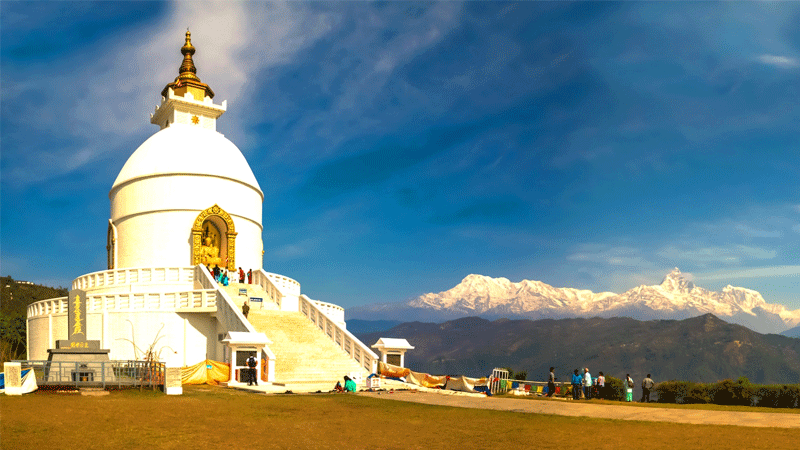
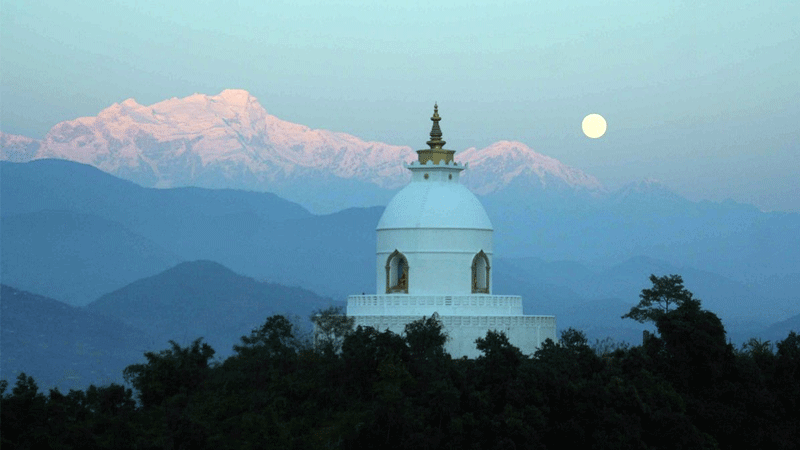
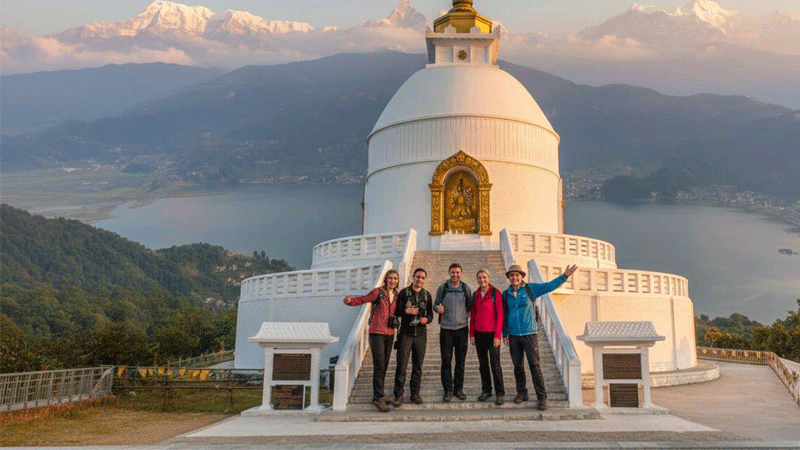
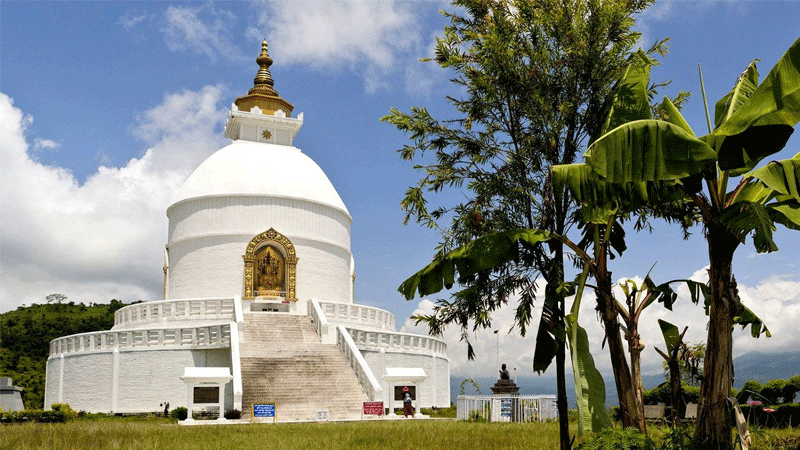
The centerpiece of the World Peace Pagoda is its majestic white dome, which stands out against the lush green hills and blue sky. This pristine stupa symbolizes peace, enlightenment, and harmony, making it a serene spot for meditation and reflection.
Around the stupa, visitors can find Buddha statues representing different countries, highlighting the pagoda’s international message of peace and unity. Each statue carries a unique style and cultural symbolism, offering insight into the global Buddhist community. The combination of the white stupa and surrounding statues creates a visually striking and spiritually calming environment for all visitors.
Panoramic Views from Shanti Stupa
One of the main attractions of World Peace Pagoda is the breathtaking panoramic views it offers:
Phewa Lake: From the hilltop, the lake appears like a shimmering mirror reflecting the surrounding mountains, boats, and lakeside town.
Pokhara Valley: The valley stretches below, dotted with settlements, greenery, and terraced fields, providing a full perspective of Pokhara’s natural beauty.
Annapurna and Machhapuchhre mountain views: On clear days, the snow-capped peaks of the Annapurna range and the iconic Machhapuchhre (Fishtail) mountain dominate the skyline, creating picture-perfect scenery for photography and sightseeing.
Visitors often spend time simply enjoying the calm and taking in the 360-degree views, making Shanti Stupa not only a spiritual destination but also one of the most scenic viewpoints in Pokhara.
World Peace Pagoda Viewpoint Experience
Sunrise View from Shanti Stupa
Experiencing sunrise at World Peace Pagoda is a magical way to start the day in Pokhara. The early morning atmosphere is peaceful and serene, with fewer crowds and cool, refreshing air. As the sun rises, it illuminates Phewa Lake and the surrounding valley, casting a soft golden glow over the mountains and forests.
Photography tips for sunrise:
- Arrive at the stupa at least 30–45 minutes before sunrise to secure a good spot.
- Capture the reflection of the mountains and pagoda on Phewa Lake for stunning compositions.
- Use a tripod if possible for long-exposure shots of the calm lake and early morning light.
Sunset View from World Peace Pagoda
Sunset at Shanti Stupa is equally spectacular. The golden hour paints the sky in warm shades of orange, pink, and purple, creating a breathtaking contrast with the white dome of the stupa and the deep blue lake below.
Best spots for sunset photography:
- The main platform in front of the stupa, which provides a clear view of Phewa Lake and Pokhara Valley.
- Along the stone steps or hill trails, offering elevated perspectives with the lake in the foreground.
- Capture silhouettes of the stupa against the sunset sky for dramatic and memorable photos.
Whether you visit at sunrise or sunset, the viewpoint at World Peace Pagoda offers some of the most unforgettable vistas in Pokhara.
Things to Know Before Visiting
Dress Code and Visitor Etiquette
World Peace Pagoda is a sacred Buddhist site, so visitors are expected to follow basic etiquette while exploring the stupa. Wearing respectful clothing is recommended—avoid shorts, sleeveless tops, or overly revealing outfits.
While at the stupa, maintain a peaceful and respectful demeanor. Speak softly, avoid loud noises, and refrain from touching religious artifacts unnecessarily. Many visitors also participate in circumambulating the stupa clockwise, a traditional Buddhist practice, to show respect and mindfulness.
Safety Tips for Hiking
The hike to World Peace Pagoda is generally safe, but it’s important to follow a few precautions:
- Stick to the marked trails to avoid getting lost or encountering unsafe paths.
- Wear sturdy, comfortable shoes with good grip to prevent slips on stone steps or uneven terrain.
- Check the weather forecast before heading out, as trails can become slippery during rain or monsoon season.
- Carry a small first-aid kit if possible, especially for minor cuts or blisters.
What to Carry
To make your visit comfortable and enjoyable, bring the following essentials:
- Water and light snacks to stay hydrated and energized during the hike
- Comfortable walking or hiking shoes suitable for uphill trails
- Camera or smartphone for capturing panoramic views and the stupa itself
- Optional: a hat, sunscreen, and sunglasses for sun protection, especially during midday hikes
By being well-prepared and following these tips, visitors can fully enjoy the peaceful ambiance, stunning scenery, and cultural significance of Shanti Stupa.
Experience Nepal’s Highlights!
Combine Pokhara’s World Peace Pagoda with Kathmandu’s heritage and Chitwan’s wildlife on this multi-day Nepal adventure. Ideal for first-time visitors.
Book the Kathmandu-Pokhara-Chitwan Tour
Nearby Attractions to Visit
Phewa Lake
Just below World Peace Pagoda lies the stunning Phewa Lake, one of Pokhara’s most iconic attractions. Visitors can enjoy a variety of boating activities, from rowing traditional wooden boats to renting paddle boats for a relaxed trip across the serene waters. The lake is also perfect for photography, especially with the reflection of Machhapuchhre (Fishtail) Mountain and the surrounding hills. Lakeside areas offer peaceful walking paths and spots to simply sit and enjoy the scenery.
Davis Falls and Gupteshwor Cave
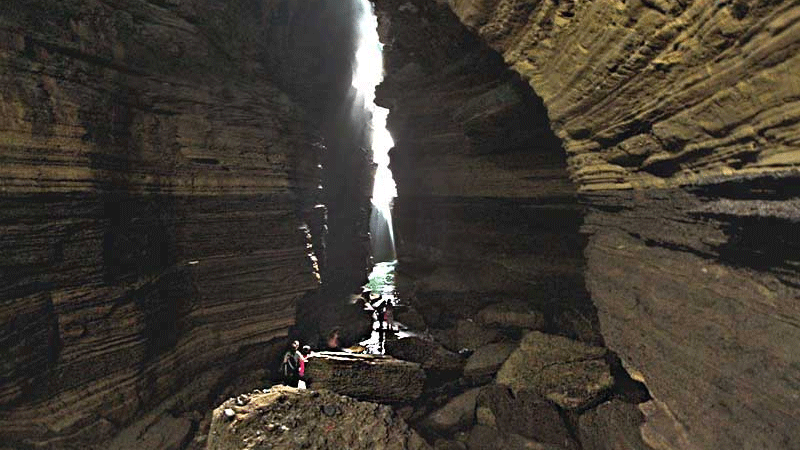
A short distance from Shanti Stupa are two other popular Pokhara attractions: Davis Falls and Gupteshwor Cave. Davis Falls is a dramatic waterfall that plunges into an underground tunnel, creating a mesmerizing natural spectacle. Nearby, Gupteshwor Cave houses a sacred Shiva shrine inside a cavern, adding a spiritual and adventurous element to your visit. These sites are easily accessible from the pagoda and make a perfect half-day excursion when combined with a hike to Shanti Stupa.
Pokhara Lakeside Area
The Lakeside area of Pokhara is the city’s vibrant hub for tourism. After visiting the World Peace Pagoda, travelers can return to Lakeside to explore cafes, restaurants, and shops offering local handicrafts, souvenirs, and traditional Nepalese products. In the evening, the area comes alive with a relaxed nightlife vibe, including live music, cozy bars, and lakeside dining, making it an ideal place to unwind after a day of sightseeing and hiking.
World Peace Pagoda Pokhara Photography Tips
Best Camera Angles and Spots
World Peace Pagoda offers stunning photo opportunities from multiple angles:
Stupa foreground shots: Capture the white dome of Shanti Stupa prominently with the surrounding hills or prayer flags in the frame. These shots highlight the architectural beauty and spiritual essence of the site.
Lake and mountain backdrop shots: Position the camera to include Phewa Lake and the Annapurna range in the background. This creates breathtaking panoramic images where the stupa, lake, and mountains all come together in a single frame.
Trail and viewpoint shots: Don’t miss the chance to photograph the stupa from the forest trail or stone steps leading up to it, which adds depth and perspective to your images.
Best Time for Photography
The lighting conditions at World Peace Pagoda play a crucial role in capturing memorable photos:
Morning light: Early mornings provide soft, diffused sunlight that enhances the clarity of the mountains and lake reflections. This time is also less crowded, allowing for clean shots without tourists in the frame.
Evening light (golden hour): Late afternoons and sunset create warm, golden hues that make the stupa glow against the sky. Shadows are longer, adding depth and drama to your compositions.
For the best photography experience, plan to visit during sunrise or sunset, and consider bringing a tripod for stability and long-exposure shots, especially if capturing reflections or low-light scenes.
Is World Peace Pagoda Worth Visiting
Who Should Visit Shanti Stupa
World Peace Pagoda is a must-visit destination for a variety of travelers:
Nature lovers: With its panoramic views of Phewa Lake, Pokhara Valley, and the Annapurna mountains, the stupa is a paradise for those who enjoy natural beauty and serene landscapes.
Peace seekers: The calm and spiritual atmosphere of Shanti Stupa provides a perfect setting for meditation, reflection, and escaping the hustle of city life.
Photographers and hikers: Whether you love capturing landscapes or enjoy light hiking, the trails and viewpoints around the pagoda offer endless opportunities for stunning photos and outdoor adventure.
Why It Is a Must-Visit Place in Pokhara
World Peace Pagoda is more than just a viewpoint. Its unique combination of spirituality and scenery makes it stand out among Pokhara’s attractions. Visitors get to experience:
- A spiritual journey at a sacred Buddhist site
- Breathtaking panoramic views of the lake, valley, and mountains
- Accessible adventure with hiking trails suitable for most fitness levels
For anyone visiting Pokhara, Shanti Stupa is a place where natural beauty, cultural significance, and tranquility come together, creating a truly memorable experience.
Travel Tips for Visiting World Peace Pagoda Pokhara
Solo Travelers and Families
World Peace Pagoda is suitable for all types of travelers, whether visiting alone, with friends, or with family.
Solo travelers can enjoy the peaceful atmosphere, panoramic views, and photography opportunities at their own pace. It’s also a great spot for meditation or reflection.
Families can take the shorter boat-and-hike route or drive up close to the stupa, making the visit easier for children and elderly members. The trails are generally safe, and the site provides ample space for relaxation and sightseeing.
Guided Tour vs Independent Visit
Choosing between a guided tour and an independent visit depends on your preferences:
Guided tours offer detailed information about the stupa’s history, Buddhist symbolism, and nearby attractions. Guides can also help with navigating hiking trails safely and efficiently.
Independent visits give flexibility to explore at your own pace, take photos freely, and choose your hiking route. This option is ideal for travelers who prefer self-guided adventures.
Both options allow visitors to fully enjoy the spiritual and scenic experience, but guided tours can enhance understanding and appreciation of the cultural significance of Shanti Stupa.
Conclusion
Why World Peace Pagoda Pokhara Should Be on Your Travel List
World Peace Pagoda Pokhara, or Shanti Stupa, is a must-visit destination for anyone exploring Pokhara. Its combination of breathtaking panoramic views, serene spiritual atmosphere, and cultural significance makes it a standout attraction. From the white dome of the stupa to the statues representing global Buddhist harmony, every aspect of Shanti Stupa reflects peace, unity, and natural beauty. Whether you are hiking, photographing the scenery, or simply soaking in the calm, the pagoda offers an unforgettable experience that perfectly showcases Pokhara’s charm.
Final Thoughts and Visitor Recommendations
When visiting World Peace Pagoda, remember to respect the sacred site, dress appropriately, and follow basic etiquette. Arrive early for sunrise or plan for sunset to witness the most stunning views. Carry essentials like water, snacks, and a camera, and choose a hiking route that matches your fitness level.
By planning your visit thoughtfully, you can fully enjoy the peaceful ambiance, incredible vistas, and cultural richness of Shanti Stupa. Whether you are a nature lover, photographer, hiker, or spiritual seeker, World Peace Pagoda Pokhara promises a memorable and rewarding experience.
Explore Nepal’s Iconic Destinations!
Visit World Peace Pagoda in Pokhara, the sacred Lumbini, Kathmandu’s heritage sites, and Chitwan’s wildlife on this all-in-one Nepal tour. Perfect for travelers who want a complete Nepal experience.
Book the Kathmandu-Pokhara-Lumbini-Chitwan Tour Now