
Introduction
Pashupatinath Temple is one of the most sacred Hindu temples in the world and a spiritual heart of Kathmandu, Nepal. Located on the banks of the holy Bagmati River, this ancient temple complex is dedicated to Lord Shiva and attracts pilgrims, sadhus, and travelers from across the globe. Its peaceful yet powerful atmosphere offers a deep insight into Hindu traditions, rituals, and Nepalese culture.
Brief Overview of Pashupatinath Temple
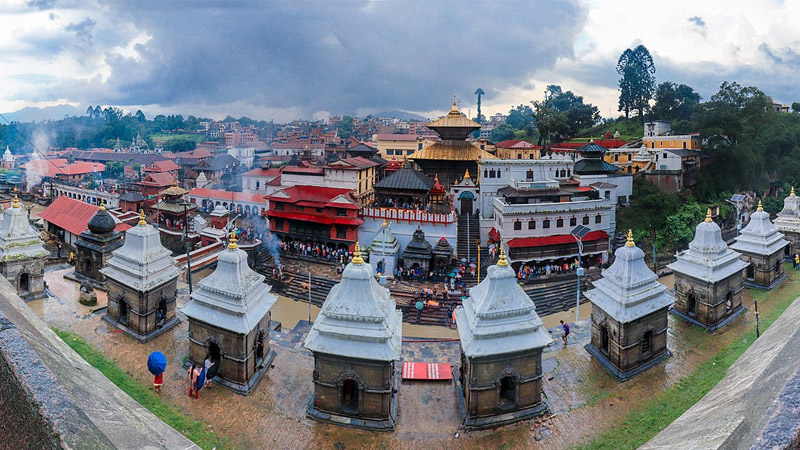
Pashupatinath Temple is believed to date back over a thousand years and is regarded as the most important Shiva temple in Nepal. The main pagoda-style temple, with its golden roof and silver doors, stands at the center of a vast complex filled with smaller shrines, ashrams, and cremation ghats. While only Hindus are allowed inside the main temple, visitors of all faiths can explore the surrounding areas and witness daily rituals from designated viewpoints.
Importance as a UNESCO World Heritage Site
Pashupatinath Temple is listed as a UNESCO World Heritage Site under the Kathmandu Valley cultural heritage zone. This recognition highlights its outstanding religious, historical, and architectural value. The temple complex represents centuries of Hindu devotion, traditional craftsmanship, and living cultural practices that continue uninterrupted to this day. Its preservation is vital not only for Nepal but also for global cultural heritage.
Why Pashupatinath Temple Is a Must-Visit Spiritual and Cultural Landmark in Kathmandu
Visiting Pashupatinath Temple offers more than sightseeing. It is a profound cultural experience. From observing traditional cremation rituals along the Bagmati River to watching evening aarti ceremonies and interacting with saffron-clad sadhus, the temple provides a rare glimpse into Nepal’s spiritual life. Whether you are a pilgrim, history enthusiast, or cultural traveler, Pashupatinath Temple remains one of the most meaningful places to visit in Kathmandu.
Overview of Pashupatinath Temple

Location and Significance
Pashupatinath Temple is located in the eastern part of Kathmandu, about 5 kilometers from Thamel and close to Tribhuvan International Airport. The temple complex sits along the banks of the sacred Bagmati River, making it easily accessible for both pilgrims and travelers visiting the capital city. Its strategic location has made it a central spiritual landmark of Kathmandu for centuries.
For Hindus, Pashupatinath Temple holds immense religious importance as it is dedicated to Lord Shiva, one of the principal deities in Hinduism. Lord Shiva is worshipped here in the form of Pashupati, meaning the lord of all living beings. Devotees believe that visiting this temple and performing rituals along the Bagmati River helps attain spiritual purification and liberation. Because of its deep spiritual significance, Pashupatinath is considered one of the most sacred Hindu sites in Nepal.
Why Pashupatinath Temple Is Famous
Pashupatinath Temple is widely regarded as one of the holiest Shiva temples in the world. It is one of the four most important religious sites for Shiva devotees, alongside famous shrines in India and other parts of South Asia. Thousands of pilgrims visit the temple daily, especially during auspicious festivals dedicated to Lord Shiva.
Another key reason for its fame is the sacred Bagmati River and the cremation ghats located within the temple complex. These ghats are used for traditional Hindu cremation ceremonies, symbolizing the cycle of life, death, and rebirth. Observing these rituals offers visitors a profound understanding of Hindu philosophy and beliefs.
Pashupatinath Temple is also a major pilgrimage site in Nepal, attracting devotees from across the country and neighboring regions. During festivals such as Maha Shivaratri and Teej, the temple complex becomes a vibrant center of religious devotion, cultural expression, and spiritual energy, reinforcing its status as one of Nepal’s most important religious landmarks.
History of Pashupatinath Temple

Ancient Origins and Legends
The history of Pashupatinath Temple dates back more than a thousand years and is deeply rooted in Hindu mythology and ancient legends. According to traditional beliefs, the temple was established around the 5th century, although the origins of worship at this sacred site are believed to be even older. Over the centuries, Pashupatinath has remained a central place of devotion for Shiva followers in the Kathmandu Valley.
One popular legend tells the story of Lord Shiva taking the form of a deer and wandering freely in the forests near the Bagmati River. When the gods tried to capture him, Shiva is said to have escaped, leaving behind one of his horns. That horn later emerged as a sacred Shiva Lingam, marking the spot where Pashupatinath Temple now stands. Because of this divine association, the temple is revered as a powerful manifestation of Lord Shiva and holds immense spiritual importance for devotees.
Architectural Development Over Time
Pashupatinath Temple is a fine example of traditional Nepali pagoda-style architecture. The main temple features a two-tiered golden roof, beautifully carved wooden struts, and four silver-plated doors facing the cardinal directions. The sacred Shiva Lingam inside the sanctum is considered one of the most significant representations of Lord Shiva in the region.
Throughout history, the temple has undergone several reconstructions and renovations due to natural disasters, aging structures, and changing dynasties. Various Nepali kings and rulers contributed to its restoration, ensuring that the temple retained its original architectural style while strengthening its structure. These continuous efforts have allowed Pashupatinath Temple to survive for centuries as a living religious monument.
Pashupatinath Temple as a UNESCO World Heritage Site
Pashupatinath Temple is recognized as a UNESCO World Heritage Site as part of the Kathmandu Valley cultural heritage zone. This recognition reflects its exceptional religious, historical, and architectural significance. The temple complex represents an unbroken tradition of Hindu worship and ritual practices that continue to shape Nepalese culture today.
Preservation efforts at Pashupatinath focus on maintaining its ancient structures, protecting surrounding heritage monuments, and safeguarding religious traditions. Local authorities and heritage organizations work together to conserve the temple while allowing millions of pilgrims and visitors to experience its spiritual atmosphere. As a UNESCO-listed site, Pashupatinath Temple stands as a symbol of Nepal’s rich cultural legacy and enduring devotion to Lord Shiva.
Full-Day Kathmandu Sightseeing Tour
Explore Kathmandu’s top cultural and spiritual landmarks, including Pashupatinath Temple, in a full-day guided tour. Book now and immerse yourself in Nepal’s rich heritage!
Architecture and Temple Complex

Main Temple Structure
The main structure of Pashupatinath Temple is a classic example of traditional Nepali pagoda-style architecture. At the heart of the complex stands the sacred temple dedicated to Lord Shiva, distinguished by its two-tiered golden roof that shines prominently against the Kathmandu skyline. The roof is supported by intricately carved wooden struts, many of which depict Hindu deities and mythological figures.
The temple has four silver-plated doors, one on each side, symbolizing openness to devotees from all directions. These doors are opened during special rituals and ceremonies, adding to the spiritual significance of the temple. Inside the sanctum lies the sacred Shiva Lingam, the central object of worship, representing Lord Shiva in his most powerful and formless state. This Lingam is considered one of the holiest in the Hindu world and is the main reason pilgrims travel long distances to visit Pashupatinath Temple.
Shrines, Ashrams, and Surroundings
Beyond the main temple, the Pashupatinath complex extends over a large area filled with smaller temples, shrines, and sacred monuments. Many of these shrines are dedicated to various Hindu deities, while others honor different forms of Lord Shiva. Walking through the complex offers visitors a deeper understanding of Nepal’s rich religious traditions and architectural heritage.
The surroundings are also home to numerous ashrams and religious spaces where sadhus, monks, and spiritual seekers reside or gather. These saffron-clad holy men are an integral part of the temple’s spiritual atmosphere. Their presence adds to the authenticity of the experience and reflects the living religious culture that has existed at Pashupatinath for centuries.
Bagmati River and Cremation Ghats
The Bagmati River holds immense spiritual importance in Hinduism, and its banks form a vital part of the Pashupatinath Temple complex. The river is believed to purify the soul, and many devotees perform ritual bathing and offerings along its banks as part of their religious practices.
Adjacent to the river are the cremation ghats, where traditional Hindu funeral rituals are carried out daily. These open-air cremations symbolize the cycle of life, death, and rebirth, a core belief in Hindu philosophy. While witnessing these rituals can be a deeply moving experience, visitors are encouraged to observe respectfully from designated areas. The cremation ghats at Pashupatinath provide a powerful insight into Nepal’s spiritual traditions and the sacred role of the Bagmati River in Hindu culture.
Pashupatinath Temple Entry Fee and Timings

Entry Fee for Foreigners, SAARC, and Nepali Visitors
The entry fee for Pashupatinath Temple varies depending on the visitor’s nationality. Nepali citizens are allowed free entry to the temple complex, while visitors from SAARC countries receive a discounted ticket rate. Foreign nationals are required to pay a higher entry fee, which helps support the maintenance and preservation of this UNESCO World Heritage Site.
It is important to note that only Hindus are permitted to enter the main temple sanctum. Non-Hindu visitors are welcome to explore the outer temple complex, courtyards, and viewing platforms across the Bagmati River, from where they can observe rituals and ceremonies. Tickets can be purchased at the official entrance gates, and visitors are advised to carry valid identification when buying entry passes.
Opening and Closing Timings
Pashupatinath Temple is open daily, starting early in the morning and remaining accessible until evening. The temple generally opens around 4:00 AM for early morning prayers and rituals and closes around 9:00 PM. These hours allow devotees and visitors to experience both the peaceful morning atmosphere and the spiritual energy of evening worship.
The best time of day to visit Pashupatinath Temple is early morning, when rituals take place and the complex is less crowded. Evening visits are also popular due to the aarti ceremonies held along the Bagmati River, which create a serene and devotional environment. Visiting during these times offers a more meaningful and memorable experience.
Rules and Dress Code for Visitors
Visitors are expected to dress modestly and respectfully while visiting Pashupatinath Temple. Clothing that covers the shoulders and knees is recommended for both men and women. Wearing respectful attire not only follows temple guidelines but also shows consideration for local religious customs.
Photography is allowed in certain areas of the temple complex, but photography inside the main temple and during cremation rituals is strictly prohibited. Visitors should always look for signage or ask temple authorities before taking photos. Maintaining silence, avoiding disruptive behavior, and respecting religious practices are essential for a respectful visit to this sacred site.
2 Days Kathmandu Valley Sightseeing Tour
Discover the best of Kathmandu Valley over two days, visiting Pashupatinath Temple, Boudhanath Stupa, and more. Perfect for a comprehensive cultural experience.
How to Reach Pashupatinath Temple

Location and Distance from Kathmandu City
Pashupatinath Temple is located in the eastern part of Kathmandu, close to Tribhuvan International Airport, making it one of the most accessible heritage sites in the city. The temple is approximately 5 kilometers from Thamel, Kathmandu’s main tourist hub, and about 4 kilometers from Kathmandu Durbar Square. From the airport, the distance to Pashupatinath Temple is just 2 kilometers, which allows travelers to reach the site quickly after arrival.
Because of its central location, Pashupatinath Temple can easily be included in a half-day or full-day Kathmandu sightseeing itinerary. Its proximity to other major attractions also makes it a convenient stop for both pilgrims and tourists.
Reaching Pashupatinath Temple by Taxi or Private Vehicle
Taking a taxi or private vehicle is the most convenient way to reach Pashupatinath Temple, especially for first-time visitors. Taxis are widely available in Thamel, Lazimpat, and other areas of Kathmandu, and the journey usually takes 15 to 25 minutes, depending on traffic conditions.
Private vehicles and guided tours offer added comfort and flexibility, allowing visitors to travel at their own pace. Most taxi drivers are familiar with the temple, so simply mentioning “Pashupatinath Temple” is enough to reach the main entrance without difficulty.
Public Transportation Options
Public transportation is a budget-friendly option for reaching Pashupatinath Temple. Local buses and microbuses operate regularly from different parts of Kathmandu, including Ratna Park, Old Bus Park, and Gaushala. Visitors can get off at the Gaushala stop, which is within walking distance of the temple entrance.
For travelers staying nearby, walking to Pashupatinath Temple is also possible. Areas such as Gaushala, Battisputali, and even parts of Boudha offer pleasant walking routes. Walking allows visitors to experience local life along the way while gradually approaching one of Kathmandu’s most sacred and culturally significant landmarks.
Best Time to Visit Pashupatinath Temple

Best Season to Visit
The best seasons to visit Pashupatinath Temple are spring (March to May) and autumn (September to November). During these months, Kathmandu experiences pleasant weather with clear skies and comfortable temperatures, making it ideal for sightseeing and walking around the temple complex. Spring also brings a fresh and lively atmosphere, while autumn offers crisp air and excellent visibility.
These seasons are especially suitable for travelers who want to explore the temple calmly and combine their visit with other cultural attractions in Kathmandu. Avoiding the monsoon season is recommended, as heavy rainfall can make walking paths slippery and reduce the overall experience.
Visiting During Festivals
Pashupatinath Temple becomes exceptionally vibrant during major Hindu festivals, attracting thousands of devotees from Nepal and neighboring countries. Maha Shivaratri is the most important festival celebrated at the temple, honoring Lord Shiva. On this day, the temple complex fills with pilgrims, sadhus, and devotees performing prayers, fasting, and night-long vigils.
Another significant festival is Teej, celebrated mainly by Hindu women who come to the temple to pray for marital happiness and family well-being. Other important Hindu festivals are also observed throughout the year, making each visit during festive times a culturally rich experience. While festivals offer a unique opportunity to witness religious devotion, visitors should be prepared for large crowds.
Best Time of Day for a Peaceful Experience
For a peaceful and spiritually enriching visit, early morning is the best time to explore Pashupatinath Temple. Morning aarti and rituals take place at dawn, creating a calm and sacred atmosphere before crowds build up. This time is ideal for quiet observation and reflection.
Evenings are also popular due to the serene ambiance along the Bagmati River. The evening aarti ceremonies add a spiritual charm, with oil lamps, chants, and devotional music enhancing the experience. Visiting either in the early morning or early evening allows travelers to experience the temple at its most meaningful moments.
Things to See and Experience at Pashupatinath Temple

Observing Hindu Rituals and Aarti
One of the most meaningful experiences at Pashupatinath Temple is observing the daily Hindu rituals performed by priests and devotees. From early morning prayers to midday offerings, these worship practices reflect centuries-old traditions dedicated to Lord Shiva. The rhythmic chanting, ringing bells, and incense create a deeply spiritual environment that allows visitors to witness living Hindu culture in its most authentic form.
The evening aarti along the banks of the Bagmati River is a highlight for many visitors. As lamps are lit and prayers are offered, the atmosphere becomes calm and devotional. Watching the aarti at sunset provides a powerful spiritual experience, even for those who are not familiar with Hindu rituals. It is one of the best times to feel the sacred energy of Pashupatinath Temple.
Meeting Sadhus and Spiritual Seekers
Sadhus, or Hindu holy men, are an integral part of the cultural and spiritual life at Pashupatinath Temple. Dressed in saffron robes or ash-covered attire, they can often be seen meditating, chanting, or engaging in spiritual discussions around the temple complex. Many sadhus travel from different parts of Nepal and India, especially during religious festivals.
Their presence reflects the temple’s role as a center for spiritual learning and renunciation. While some sadhus are open to conversations and blessings, visitors should approach them respectfully. It is polite to ask before taking photographs and to avoid intrusive behavior.
Spiritual and Cultural Atmosphere
The overall spiritual and cultural atmosphere of Pashupatinath Temple is both intense and deeply moving. The blend of sacred rituals, ancient architecture, and daily religious life offers visitors a rare opportunity to immerse themselves in Nepal’s spiritual heritage. Simply walking through the complex provides insight into Hindu philosophy and traditions.
For photography enthusiasts, designated viewpoints across the Bagmati River offer excellent opportunities to capture the temple’s architecture and rituals without entering restricted areas. To fully immerse yourself in the experience, move slowly, observe quietly, and respect local customs. Taking time to understand the cultural significance of what you see will make your visit to Pashupatinath Temple more meaningful and memorable.
7 Kathmandu UNESCO World Heritage Sites Tour
Visit all 7 UNESCO World Heritage Sites in Kathmandu, including the sacred Pashupatinath Temple, with expert guides. A must-do for culture and history enthusiasts!
Important Travel Tips for Visitors

Do’s and Don’ts at Pashupatinath Temple
Visiting Pashupatinath Temple requires respect for its religious and cultural significance. Do dress modestly, cover your shoulders and knees, and follow the instructions of temple staff. Do maintain silence or speak softly while observing rituals, and take the time to appreciate the temple’s sacred atmosphere.
Don’t enter restricted areas, touch sacred objects, or disrupt ongoing ceremonies. Non-Hindu visitors should avoid trying to enter the main sanctum, as only Hindus are permitted inside. Following these simple guidelines ensures a respectful and meaningful visit for both you and the devotees around you.
Safety and Etiquette Tips
Pashupatinath Temple can get crowded, especially during festivals or weekends. Stay aware of your surroundings, secure your belongings, and be patient when navigating busy areas. Interactions with sadhus and spiritual seekers should always be polite, ask permission before taking photos or requesting blessings, and avoid intrusive behavior.
Being considerate and maintaining respectful conduct will not only keep you safe but also enhance your overall cultural experience at the temple.
Suggested Time Required for Visit
To fully explore Pashupatinath Temple and its surroundings, visitors should allocate 2 to 3 hours. This allows enough time to:
-
Walk through the main temple complex
-
Observe rituals and the evening aarti
-
Explore smaller shrines, ashrams, and viewpoints across the Bagmati River
If you plan to visit during a festival or attend special ceremonies, consider adding extra time to experience the temple at a more leisurely pace. A well-planned visit ensures you can absorb the spiritual and cultural richness of this iconic Kathmandu landmark.
Nearby Attractions to Visit

Boudhanath Stupa
Located just around 3 kilometers from Pashupatinath Temple, Boudhanath Stupa is one of the largest and most iconic Buddhist stupas in Nepal. It is a UNESCO World Heritage Site and a hub of Tibetan culture in Kathmandu. Visitors to Pashupatinath often combine their trip with Boudhanath to experience a unique blend of Hindu and Buddhist spiritual traditions.
The stupa’s massive white dome, colorful prayer flags, and surrounding monasteries create a serene and culturally rich atmosphere that complements the sacred experience of Pashupatinath.
Guhyeshwari Temple
Guhyeshwari Temple is a smaller but highly significant Hindu temple located just opposite Pashupatinath Temple across the Bagmati River. Dedicated to the goddess Guhyeshwari, this temple holds great religious importance for devotees of Shakti, the feminine divine energy in Hinduism.
Many pilgrims visit both Pashupatinath and Guhyeshwari as part of a single spiritual journey, observing traditional rituals and offerings along the way.
Kathmandu Durbar Square
Approximately 5 kilometers from Pashupatinath Temple, Kathmandu Durbar Square is the historic heart of the city and a UNESCO World Heritage Site. It features royal palaces, ancient courtyards, temples, and vibrant local markets.
Visitors exploring Pashupatinath often include Durbar Square in their itinerary to gain a deeper understanding of Nepalese art, architecture, and culture. The combination of these nearby attractions offers a complete cultural and spiritual experience in Kathmandu.
Suggested Tours Including Pashupatinath Temple

Half-Day and Full-Day Kathmandu Sightseeing Tours
For travelers with limited time in Kathmandu, half-day or full-day sightseeing tours are the perfect way to explore Pashupatinath Temple along with other nearby landmarks. These tours usually include convenient transportation, a knowledgeable guide, and visits to key sites such as Boudhanath Stupa, Guhyeshwari Temple, and Kathmandu Durbar Square.
Short tours are ideal for tourists who want to experience the spiritual and cultural highlights of Kathmandu without spending an entire day planning logistics. Visitors can enjoy a well-paced itinerary, witness important rituals, and gain insights into Nepalese culture and traditions.
Multi-Day Kathmandu and Nepal Tour Packages
For those looking to explore Nepal more extensively, multi-day tour packages are the best option. These tours often combine Pashupatinath Temple with other major cultural, spiritual, and natural attractions across Kathmandu and beyond, including Bhaktapur, Patan, Pokhara, and Chitwan.
Multi-day tours allow travelers to experience both the religious significance of Pashupatinath and the broader cultural heritage of Nepal. They typically include accommodations, guided tours, transportation, and curated experiences, offering a comprehensive and immersive journey for visitors seeking a deeper understanding of Nepalese spirituality and history.
Frequently Asked Questions About Pashupatinath Temple

Can non-Hindus enter Pashupatinath Temple?
Non-Hindus are not allowed inside the main sanctum of Pashupatinath Temple. However, they are welcome to explore the outer temple complex, including courtyards, smaller shrines, and viewing platforms across the Bagmati River, where they can observe rituals, ceremonies, and the evening aarti without entering restricted areas.
Is photography allowed inside the temple complex?
Photography is strictly prohibited inside the main temple and during cremation rituals along the Bagmati River. Visitors are allowed to take photos in the outer areas of the temple complex and from designated viewpoints across the river. Always check for signage or ask temple staff before taking photographs to ensure respectful conduct.
How much time is needed to visit Pashupatinath Temple?
To fully explore Pashupatinath Temple and its surroundings, 2 to 3 hours is usually sufficient. This includes time to observe daily rituals, visit smaller shrines and ashrams, walk along the Bagmati River, and witness the evening aarti. If visiting during festivals, allow extra time to navigate larger crowds and enjoy special ceremonies.
Is Pashupatinath Temple worth visiting for tourists?
Absolutely. Pashupatinath Temple is a must-visit spiritual and cultural landmark in Kathmandu. Even for non-Hindus, the temple offers a profound glimpse into Nepalese religious traditions, rituals, and architecture. Witnessing ceremonies, interacting respectfully with sadhus, and exploring nearby viewpoints provides a unique cultural experience that cannot be missed when visiting Kathmandu.
Conclusion
Why Pashupatinath Temple Is a Must-Visit in Kathmandu
Pashupatinath Temple is not just a religious site, it is a living cultural and spiritual landmark that embodies the essence of Nepalese heritage. Its spiritual significance, rooted in centuries of devotion to Lord Shiva, draws pilgrims from across the world, while its historical and architectural richness fascinates historians, architects, and culture enthusiasts alike.
Visitors to Pashupatinath Temple can experience unique moments, from observing daily rituals and the evening aarti to exploring the sacred Bagmati River and interacting with saffron-clad sadhus. These experiences make it one of the most memorable and meaningful attractions in Kathmandu.
Final Tips for a Meaningful Visit
To make the most of your visit:
-
Respect traditions: Dress modestly, follow temple rules, and maintain a quiet, respectful demeanor during rituals.
-
Plan timing and attire in advance: Visit in the early morning or evening for a serene experience, and wear comfortable clothing suitable for walking and temple etiquette.
By keeping these tips in mind, your visit to Pashupatinath Temple will be both spiritually enriching and culturally immersive, leaving lasting memories of one of Kathmandu’s most iconic landmarks.
Nepal Luxury Golden Triangle Tour
Experience the luxury Nepal tour covering Kathmandu, Pokhara, and Chitwan, with visits to Pashupatinath Temple and other iconic attractions. Comfort, culture, and adventure combined!