
Introduction
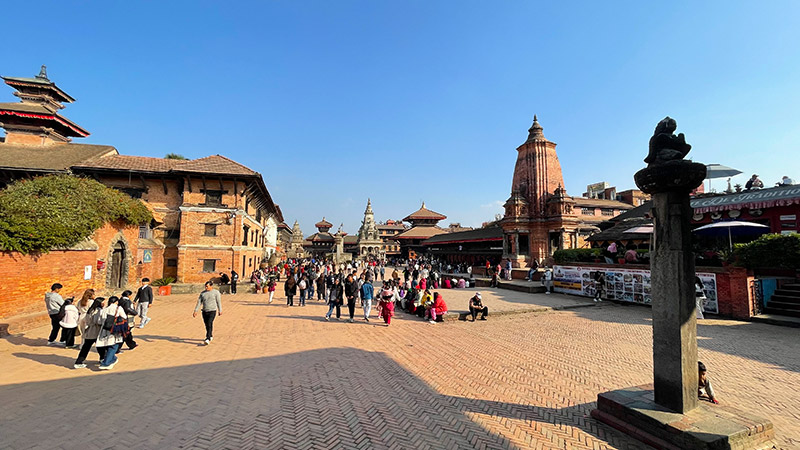
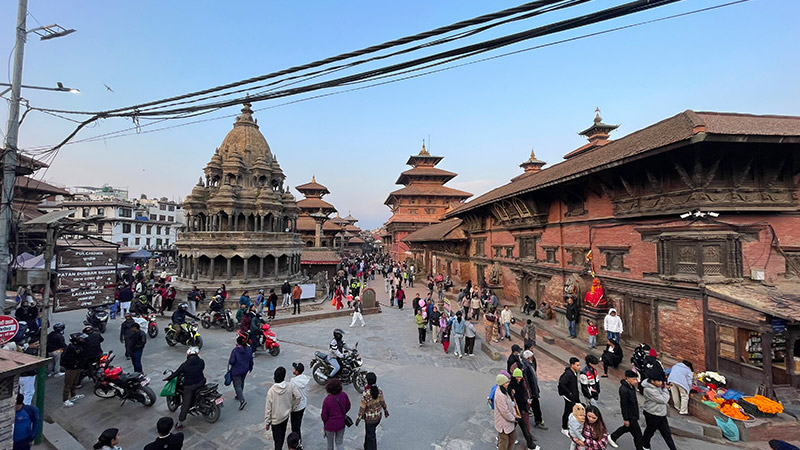
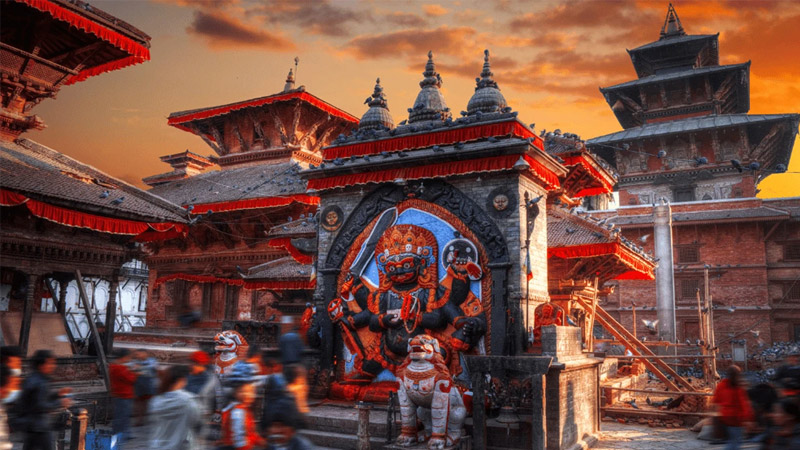
Kathmandu Durbar Square, located in the heart of Nepal’s capital, is one of the most iconic landmarks in the Kathmandu Valley. Recognized as a UNESCO World Heritage Site, this historic square has been a center of royal power, religious activities, and cultural traditions for centuries. Its intricate temples, palaces, and courtyards showcase the rich artistry and architecture of the Malla period, making it a must-visit destination for travelers seeking both history and culture.
This comprehensive travel guide will walk you through everything you need to know before visiting Kathmandu Durbar Square, including the entry fee, opening hours, must-see attractions, and practical tips to make your experience smooth and memorable. Whether you’re a history enthusiast, a photography lover, or simply exploring Kathmandu, this guide has got you covered.
About Kathmandu Durbar Square
History and Significance
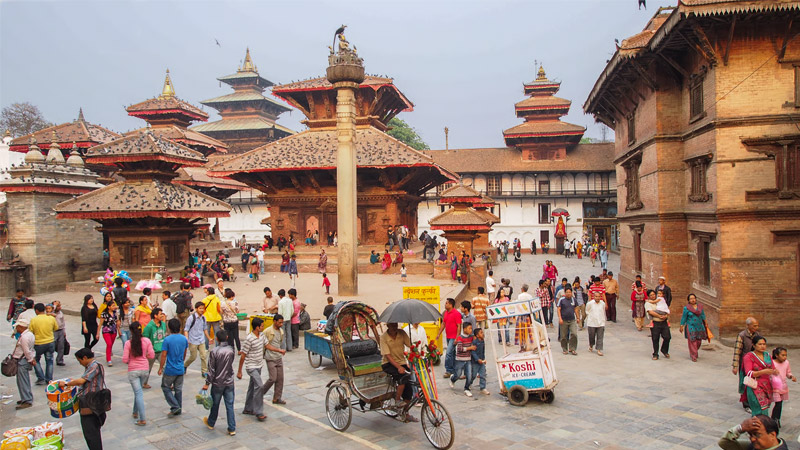
Kathmandu Durbar Square, also known as Hanuman Dhoka Durbar Square, has been the political and cultural heart of Kathmandu for centuries. The square originated during the Malla period (12th–18th centuries), when the Malla kings built palaces, temples, and courtyards as centers of power and worship. Over time, it became the site of royal coronations and important state ceremonies, cementing its role in Nepalese history.
The square is renowned for its intricate wood carvings, stone sculptures, and pagoda-style temples, reflecting the architectural brilliance of the Malla era. Each building and shrine tells a story of Nepal’s rich cultural heritage, offering visitors a glimpse into centuries-old traditions.
Kathmandu Durbar Square is also a vibrant hub for festivals and cultural events. Celebrations such as Indra Jatra, Kumari Jatra, and other local festivals bring the square to life, allowing visitors to witness centuries-old rituals and customs that are still practiced today.
UNESCO World Heritage Status
In recognition of its outstanding cultural, historical, and architectural value, Kathmandu Durbar Square was designated a UNESCO World Heritage Site in 1979. UNESCO highlighted the square’s unique blend of artistic, religious, and social significance, as well as its role in preserving the living traditions of Nepalese culture.
Preservation efforts have been ongoing to protect the delicate temples, palaces, and sculptures from natural disasters, urban development, and the passage of time. Restoration projects, often supported by international organizations, aim to maintain the square’s historical integrity while allowing visitors to continue enjoying its beauty.
Today, Kathmandu Durbar Square is not just a historical site but a living cultural hub, where centuries-old traditions coexist with modern life, making it a must-visit destination in Nepal.
Full Day Kathmandu Sightseeing Tour "Discover the wonders of Kathmandu in a single day! Visit Kathmandu Durbar Square and other iconic landmarks. Book your full-day sightseeing tour now!"
Key Attractions in Kathmandu Durbar Square
Hanuman Dhoka Palace
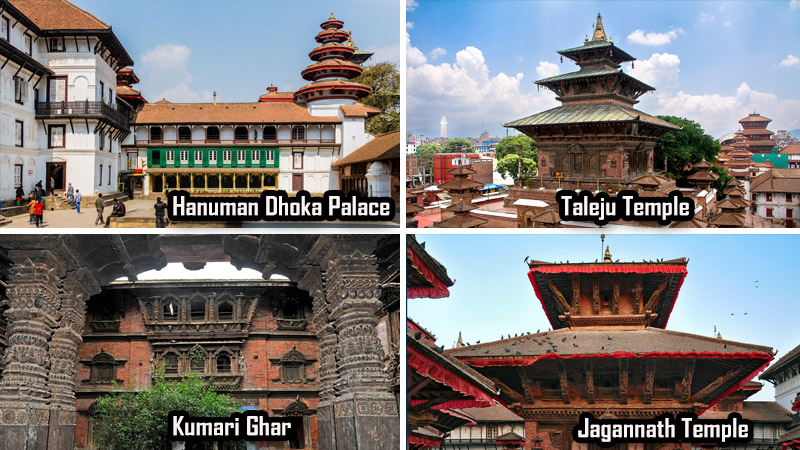
Hanuman Dhoka Palace is the largest and most prominent structure in Kathmandu Durbar Square. This historic palace served as the royal residence of the Malla and Shah kings for centuries and remains a symbol of Nepalese monarchy. Visitors can explore the palace complex, which houses museums, courtyards, and ceremonial halls, each showcasing intricate woodwork, stone carvings, and royal artifacts. Highlights include the Coronation Hall, where kings were crowned, and the Durbar Hall, known for its beautiful architecture and ornate windows.
Kumari Ghar (The Living Goddess House)
Kumari Ghar is home to the Living Goddess, or Kumari, a young girl revered as a deity by the Nepalese people. The tradition dates back centuries and is an integral part of Nepalese culture. Visitors can view the Kumari from the courtyard balcony without entering the private residence. During festivals such as Indra Jatra, the Kumari makes public appearances, giving tourists a rare glimpse into this unique tradition. When visiting, it’s important to respect the rituals and avoid disturbing the sacred space.
Taleju Temple
The Taleju Temple is one of the most impressive and sacred temples in Kathmandu Durbar Square. Built in the 16th century, it is dedicated to the goddess Taleju Bhawani, the royal deity of the Malla kings. The temple is known for its multi-tiered pagoda style, elaborate carvings, and majestic wooden struts. Access to the interior is generally restricted to special occasions and religious ceremonies, but the exterior architecture alone is worth admiring. Visitors should also note the temple’s religious significance and observe respectful behavior when nearby.
Jagannath Temple and Other Smaller Shrines
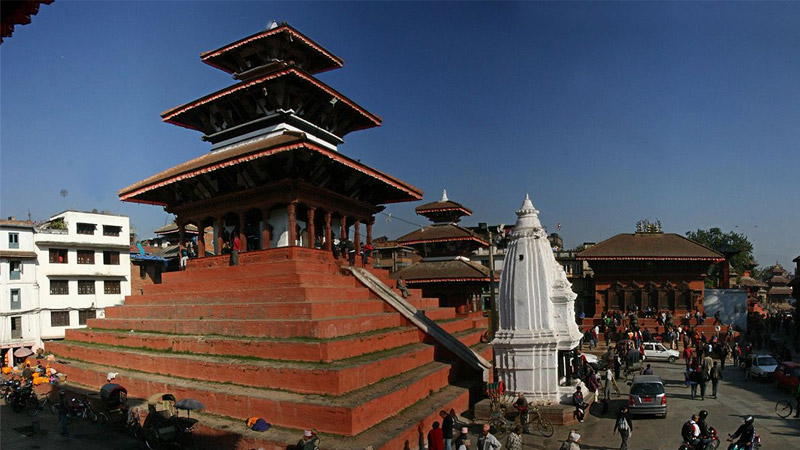
Kathmandu Durbar Square is dotted with numerous smaller temples and shrines, each with its own historical and cultural significance. The Jagannath Temple, built in the 18th century, is dedicated to Lord Krishna and is famous for its wooden carvings and tall pagoda-style roof. Other shrines honor various Hindu and Buddhist deities, showcasing the diverse religious heritage of Nepal. Exploring these temples provides a deeper understanding of the square’s spiritual and architectural richness.
Traditional Courtyards (Bahal & Chowks)
The square is also home to traditional courtyards, known locally as Bahal or Chowk, which were central to community life and cultural activities. These courtyards often feature small temples, fountains, and stone sculptures, serving as gathering spots for locals. Famous courtyards to explore include the Kumari Chowk, Mul Chowk, and Jagannath Chowk, each offering insight into daily rituals, local art, and communal traditions. Walking through these spaces allows visitors to experience the living culture of Kathmandu beyond its main monuments.
Things to See and Do
Explore the Local Markets
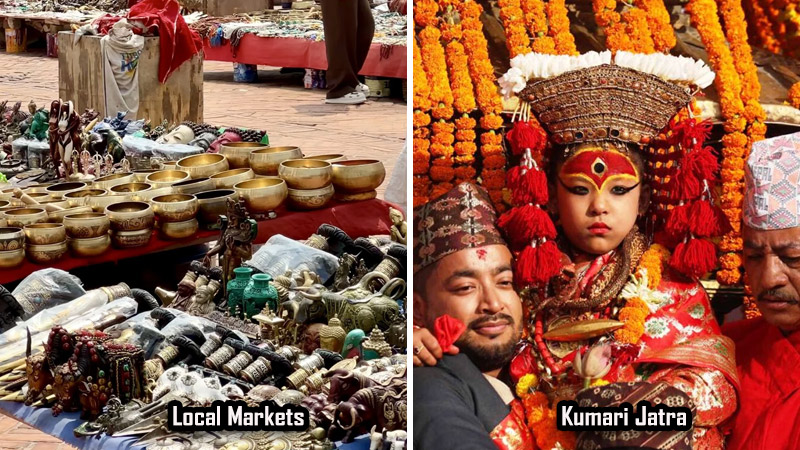
Kathmandu Durbar Square is surrounded by vibrant local markets, offering a rich experience of Nepalese culture. Here, you can browse traditional handicrafts, religious artifacts, Thangka paintings, and souvenirs that make perfect keepsakes. The bustling streets are also great for street photography, capturing the daily life of locals against the backdrop of historic temples and palaces. Popular items to buy include hand-carved wooden masks, brass statues, pashmina shawls, and prayer flags, each reflecting Nepal’s rich artistic heritage.
Attend Festivals
Durbar Square comes alive during Nepal’s major festivals, offering visitors a chance to witness centuries-old traditions. The Indra Jatra festival celebrates the Hindu god Indra with masked dances, chariot processions, and cultural performances. Kumari Jatra, a part of Indra Jatra, highlights the Living Goddess tradition, with the Kumari appearing on a beautifully decorated chariot. If you plan to visit during festival times, it’s best to arrive early, wear comfortable clothing, and respect local customs, as the square can become very crowded.
Photography Tips
Kathmandu Durbar Square is a photographer’s paradise, with its intricate temples, palaces, and vibrant street life. The best time for photography is in the early morning or late afternoon, when the soft sunlight highlights the carvings and architectural details. Capture not only the monuments but also candid moments of locals performing rituals, selling goods, or walking through courtyards. Remember to be respectful when photographing religious ceremonies or people in sacred spaces.
2 Days Kathmandu Valley Sightseeing Tour "Experience the best of Kathmandu Valley, from Durbar Square to ancient temples and vibrant markets. Reserve your 2-day guided tour today!"
Entry Fee, Timings, and Visitor Information
Kathmandu Durbar Square Entry Fee
To visit Kathmandu Durbar Square, tourists are required to pay an entry fee. As of 2026, the ticket prices are approximately:
-
International tourists: NPR 1,000–1,500 (~$8–$12 USD)
-
SAARC country tourists: NPR 500–800 (~$4–$6 USD)
-
Nepali citizens: Free or nominal fee
Some areas inside the palace complex, such as museums or photography zones, may have additional charges. Guided tours can also be booked for a small extra fee, which is recommended if you want detailed historical and cultural insights.
Opening Hours
Kathmandu Durbar Square is open daily for visitors. The standard visiting hours are:
-
Morning: 9:00 AM – 5:00 PM
-
Best time to visit: Early morning or late afternoon to avoid crowds and capture the best lighting for photography.
Visiting early also allows you to experience a more peaceful atmosphere before the square fills with tourists and local vendors.
How to Get There
Kathmandu Durbar Square is centrally located in the heart of Kathmandu, making it easily accessible:
-
By walking: If you are staying in Thamel or nearby areas, the square is within walking distance.
-
By taxi or rideshare: Taxis are affordable and can drop you at the entrance.
-
By public transport: Local buses run to nearby stops, but they may be crowded and less convenient for first-time visitors.
Most visitors find walking or taking a taxi the easiest option, as it allows them to explore the surrounding streets, markets, and alleys on the way.
Tips for Visitors

Dress and Etiquette
When visiting Kathmandu Durbar Square, it’s important to dress respectfully, especially near temples and sacred sites. Visitors should wear modest clothing that covers shoulders and knees. Remove shoes before entering temples and avoid pointing your feet toward religious shrines.
Observing cultural etiquette goes a long way. For example, avoid loud conversations, do not touch sacred objects or idols, and always ask for permission before taking photos of locals or religious ceremonies. Respecting these customs enhances your experience and shows appreciation for Nepalese culture.
Safety and Accessibility
Kathmandu Durbar Square can get very crowded, especially during festivals and peak tourist hours. Keep your belongings secure, be mindful of pickpockets, and watch your step on uneven stone pathways.
For elderly or disabled visitors, some areas of the square may be challenging due to stairs and narrow courtyards. It’s recommended to use assistance or a guide when needed, and plan your visit during quieter hours to move around more comfortably.
Guided Tours vs. Self-Guided Visits
Choosing between a guided tour and a self-guided visit depends on your interests:
-
Guided tours: Offer detailed historical and cultural insights, help navigate the square efficiently, and are ideal for first-time visitors.
-
Self-guided visits: Allow flexibility to explore at your own pace, take photos, and linger in areas you find interesting.
Many visitors prefer a mix of both, starting with a guide to understand the square’s history and then exploring on their own to soak in the atmosphere. Recommended guided tours can often be booked online or through local operators, ensuring a hassle-free experience.
Nearby Attractions
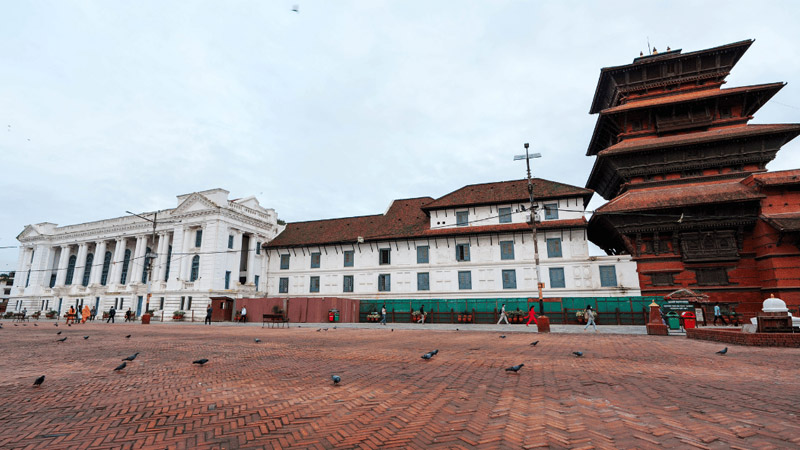
Hanuman Dhoka Museum
The Hanuman Dhoka Museum, located within the palace complex, offers visitors a deeper look into Nepal’s royal history and heritage. The museum houses ancient artifacts, royal palanquins, weapons, and ceremonial objects used by the Malla and Shah kings. Exploring the museum provides a rich historical context for the architecture and events of Kathmandu Durbar Square, making it a must-visit for history enthusiasts.
Asan Market
Just a short walk from Durbar Square, Asan Market is one of Kathmandu’s most vibrant traditional marketplaces. The market is filled with spices, local produce, textiles, handicrafts, and souvenirs, offering an authentic glimpse into everyday life in Kathmandu. It’s also a great place to try local street food, such as momo (dumplings) and sel roti (rice donuts). Walking through Asan Market gives travelers the opportunity to capture the lively colors and energy of the city.
Other Kathmandu Valley Heritage Sites
Kathmandu Durbar Square is ideally located for visiting other nearby UNESCO World Heritage Sites:
-
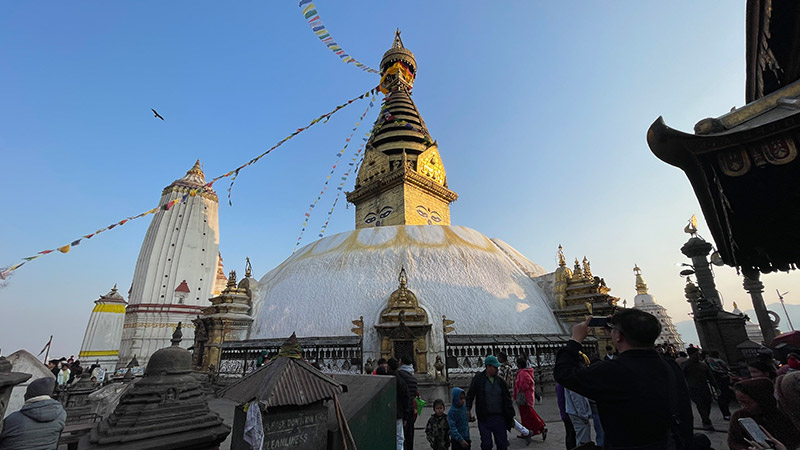
Swayambhunath Stupa (Monkey Temple): An ancient Buddhist stupa perched on a hilltop, famous for panoramic views of Kathmandu and its resident monkeys.
-
Boudhanath Stupa: One of the largest stupas in Nepal, a major center for Tibetan Buddhism, and a hub for prayer, meditation, and cultural experiences.
Including these sites in your itinerary allows you to explore the rich religious and cultural heritage of the Kathmandu Valley within a single trip.
Conclusion
Why Kathmandu Durbar Square Should Be on Your Nepal Itinerary
Kathmandu Durbar Square is a must-visit destination in Nepal, offering a perfect blend of history, culture, and architecture. From the intricate carvings of Hanuman Dhoka Palace to the sacred Kumari Ghar and vibrant courtyards, every corner tells a story of Nepal’s rich heritage. Visiting the square allows travelers to experience living traditions, observe festivals, and explore centuries-old monuments, making it a truly unique and memorable part of any Nepal itinerary.
Final Travel Tips
-
Best time to visit: Early morning or late afternoon to enjoy peaceful exploration and ideal photography conditions.
-
Planning your visit: A half-day is enough to cover the main attractions, but a full day allows time to explore the surrounding markets, museums, and nearby heritage sites like Swayambhunath and Boudhanath.
-
Respect local customs: Dress modestly, remove shoes before entering temples, and be mindful of religious practices and rituals.
With careful planning and respect for the local culture, a visit to Kathmandu Durbar Square becomes not just a sightseeing trip but an immersive cultural experience that captures the heart of Nepal.
Kathmandu, Pokhara, Lumbini & Chitwan Tour "Explore Nepal’s highlights, starting with Kathmandu Durbar Square, breathtaking Pokhara, sacred Lumbini, and thrilling Chitwan. Plan your unforgettable multi-destination adventure now!"