

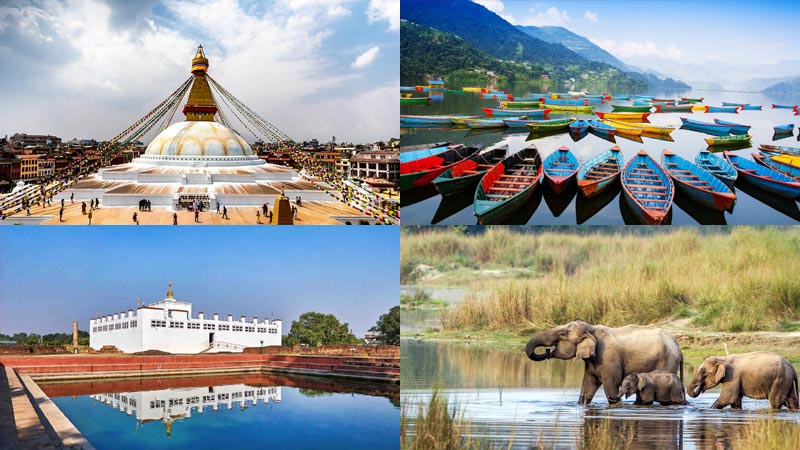
Planning your first trip to Nepal? You're about to visit one of the world's most fascinating travel destinations. Home to the majestic Himalayas, ancient temples, diverse wildlife, vibrant cultures, and warm hospitality, Nepal offers unforgettable experiences for every type of traveler. Whether you dream of witnessing the sunrise over snow-capped peaks, exploring centuries-old UNESCO World Heritage Sites, enjoying a jungle safari, or discovering the birthplace of Lord Buddha, Nepal promises a journey unlike any other.
For first-time visitors, however, planning a trip can feel overwhelming. Questions about visas, transportation, the best season to visit, budgeting, safety, and choosing the right itinerary often arise before booking the flight. With so many incredible places spread across the country, knowing where to begin can make all the difference.
This comprehensive Nepal Travel Guide for First-Time Visitors is designed to answer every essential question and help you plan your trip with confidence. Inside this guide, you'll learn about Nepal's geography, the ideal seasons to visit, visa requirements, travel costs, transportation options, cultural etiquette, suggested itineraries, and practical travel tips that will make your journey smoother and more enjoyable.
Whether you're planning a short 5-day vacation, a week-long cultural tour, or a two-week adventure exploring multiple destinations, this guide will help you create the perfect Nepal itinerary based on your interests and travel style.
Let's begin your journey to the heart of the Himalayas.
Why Visit Nepal?
Nepal may be a small country in South Asia, but it offers an extraordinary variety of experiences packed into a relatively compact area. Within just a few hours of travel, you can journey from bustling historic cities to peaceful mountain villages, lush subtropical jungles, and breathtaking Himalayan viewpoints. This remarkable diversity is what makes Nepal one of the most rewarding destinations for first-time visitors.
Unlike many countries that are known for a single attraction, Nepal combines adventure, culture, spirituality, nature, and wildlife into one unforgettable destination. Whether you're an avid trekker, a history enthusiast, a wildlife lover, or simply looking for a relaxing holiday surrounded by stunning landscapes, Nepal has something to offer.
Experience the World's Highest Mountains
Nepal is home to eight of the world's fourteen highest mountains, including the legendary Mount Everest. Even if trekking isn't on your itinerary, you can still enjoy spectacular Himalayan views from destinations like Nagarkot, Pokhara, Sarangkot, Dhulikhel, and many scenic hill stations across the country.
For travelers seeking a mountain experience without undertaking a demanding trek, panoramic viewpoints and short hiking routes provide unforgettable vistas of snow-covered peaks.
Discover Rich Cultural Heritage
Nepal's history spans thousands of years and is reflected in its beautifully preserved temples, monasteries, palaces, and ancient cities. Kathmandu Valley alone is home to seven UNESCO World Heritage Sites, where intricate architecture and living traditions continue to thrive.
Visitors can explore sacred Hindu temples, Buddhist stupas, medieval royal squares, vibrant local markets, and centuries-old neighborhoods that showcase Nepal's unique cultural identity.
Explore Incredible Wildlife
Beyond the mountains lies another side of Nepal that surprises many first-time visitors. The country's southern lowlands feature dense forests and protected national parks rich in biodiversity.
A jungle safari offers the chance to spot one-horned rhinoceroses, Bengal tigers, crocodiles, elephants, deer, monkeys, and hundreds of bird species. For nature lovers, Nepal provides an exceptional balance between mountain adventures and wildlife experiences.
Visit the Birthplace of Lord Buddha
Nepal is also an important destination for spiritual travelers. Lumbini, the birthplace of Lord Buddha, attracts pilgrims and visitors from around the world. The peaceful gardens, monasteries built by different countries, meditation centers, and archaeological sites create an atmosphere unlike anywhere else in South Asia.
Even travelers with no religious background often find Lumbini to be one of the most peaceful and inspiring places in Nepal.
Meet Friendly Local People
One of Nepal's greatest strengths is its people. Nepali hospitality is widely appreciated by visitors, and locals are known for their friendliness, generosity, and willingness to help travelers.
Whether you're enjoying tea in a mountain village, shopping in a local market, or chatting with guides during a sightseeing tour, you'll quickly experience the genuine warmth that makes many visitors want to return.
Adventure Beyond Trekking
While Nepal is famous for trekking, adventure opportunities extend far beyond hiking. Visitors can enjoy:
- Paragliding over Pokhara
- Zip-lining
- White-water rafting
- Mountain biking
- Bungee jumping
- Scenic mountain flights
- Ultra-light flights
- Jungle safaris
- Boating on Phewa Lake
- Hot air balloon rides (seasonal)
Whether you prefer thrilling outdoor adventures or peaceful sightseeing, Nepal offers activities suitable for every age group.
Affordable Yet Memorable
Compared to many international destinations, Nepal provides excellent value for money. Accommodation, food, transportation, guided tours, and entrance fees remain relatively affordable, allowing travelers to enjoy high-quality experiences without overspending.
From budget backpackers to luxury travelers, Nepal caters to every travel style.
Where is Nepal?
Nepal is a landlocked country located in South Asia, nestled between two of the world's largest nations—China to the north and India to the south, east, and west. Despite covering an area of just 147,516 square kilometers, Nepal is incredibly diverse in terms of geography, climate, ecosystems, and cultural heritage.
The country stretches from the flat Terai plains in the south to the towering Himalayan mountain range in the north, creating dramatic changes in elevation and scenery within relatively short distances.
Nepal's capital city, Kathmandu, serves as the country's cultural, historical, and economic center. Most international visitors arrive through Tribhuvan International Airport before continuing to destinations such as Pokhara, Chitwan National Park, Lumbini, Bandipur, Nagarkot, or the Annapurna region.
One of Nepal's unique characteristics is how accessible its major attractions are. Travelers can enjoy historical monuments, mountain viewpoints, lakes, wildlife reserves, and spiritual sites all within a single journey.
The country's official language is Nepali, although English is widely spoken in hotels, restaurants, tourist areas, and by professional guides, making travel relatively easy for international visitors.
Nepal operates on Nepal Standard Time (NST), which is UTC +5:45, making it one of the few countries in the world with a unique 45-minute time offset.
Best Time to Visit Nepal
Nepal is a year-round destination, but the best time to visit depends on your interests, preferred activities, and the type of experience you're looking for. Each season offers distinct advantages, from crystal-clear Himalayan views to colorful festivals and lush green landscapes.
Spring (March to May)
Spring is one of the most beautiful seasons to visit Nepal. As winter fades away, valleys and hillsides burst into color with blooming rhododendrons, wildflowers, and fresh greenery. The weather remains pleasantly warm, while mountain views are generally excellent.
This season is particularly popular among trekkers, photographers, and outdoor enthusiasts because temperatures are comfortable and visibility is often outstanding.
Average daytime temperatures range from 16°C to 30°C, depending on the destination and elevation.
Spring is ideal for:
- Trekking
- Sightseeing
- Wildlife safaris
- Adventure sports
- Mountain photography
Summer / Monsoon (June to August)
Summer coincides with Nepal's monsoon season. Rainfall is heaviest in most parts of the country, resulting in lush landscapes, flowing waterfalls, and vibrant green hills.
While trekking conditions become more challenging due to muddy trails and occasional landslides, this season offers fewer crowds, lower accommodation prices, and peaceful sightseeing experiences.
Rain showers typically occur in the afternoon or evening, with mornings often remaining clear.
This season is suitable for:
- Budget travelers
- Cultural sightseeing
- Photography of green landscapes
- Visitors seeking fewer tourists
Autumn (September to November)
Autumn is widely considered the best time to visit Nepal and is especially recommended for first-time visitors.
Following the monsoon rains, the skies become exceptionally clear, providing spectacular mountain views throughout the country. Temperatures are comfortable, humidity is low, and Nepal celebrates many of its biggest festivals during this season, including Dashain and Tihar.
Autumn is also the busiest travel period, so booking accommodations and domestic flights in advance is highly recommended.
Ideal for:
- First-time visitors
- Trekking
- Mountain flights
- Wildlife safaris
- Photography
- Cultural festivals
Winter (December to February)
Winter offers cool, dry weather across most of Nepal. While high-altitude trekking routes experience heavy snowfall, cities like Kathmandu, Pokhara, and Chitwan remain pleasant for sightseeing.
Morning mountain views are often exceptionally clear during winter, making it a fantastic season for photographers.
If you're not planning a high-altitude trek, winter can be an excellent time to explore Nepal with fewer crowds.
Ideal for:
- Cultural tours
- Wildlife safaris
- City sightseeing
- Photography
- Luxury holidays
Which Season is Best for First-Time Visitors?
If you're visiting Nepal for the first time, autumn (September to November) and spring (March to May) are the most recommended seasons. These months offer pleasant weather, clear mountain views, excellent road conditions, and the widest range of outdoor activities.
Nepal Visa Guide
One of the reasons Nepal is such an accessible destination is its straightforward visa process. Citizens of most countries can obtain a Visa on Arrival at Tribhuvan International Airport in Kathmandu and at several designated land border crossings.
To apply for a visa, travelers generally need:
- A passport valid for at least six months from the date of arrival.
- A completed visa application form (available online or at the airport).
- Passport-sized photographs (if required).
- Payment of the visa fee in an accepted currency.
Nepal offers tourist visas for multiple durations, making it convenient whether you're planning a short holiday or an extended stay. Visitors can also apply online before arrival to reduce waiting time at immigration.
If you wish to stay longer, tourist visas can typically be extended through the Department of Immigration in Kathmandu or Pokhara, subject to the applicable regulations and fees.
Before traveling, it's always advisable to check the latest visa policies and entry requirements, as these may change based on government regulations or international travel updates.
Obtaining your visa is usually one of the easiest parts of planning a trip to Nepal, allowing you to focus on exploring the country's incredible landscapes, rich heritage, and unforgettable experiences.
How to Reach Nepal
Reaching Nepal is easier than many first-time travelers expect. The country is well connected by international flights from major cities across Asia and the Middle East, while several land border crossings make overland travel possible from neighboring India and China. Whether you're arriving for a cultural holiday, a wildlife adventure, or a Himalayan journey, planning your arrival in advance will help ensure a smooth start to your trip.
By Air
For most international visitors, flying is the most convenient way to reach Nepal. Nearly all international flights arrive at Tribhuvan International Airport (TIA) in Kathmandu, the country's only international airport. Located approximately six kilometers from the city center, the airport serves as Nepal's primary gateway for travelers from around the world.
Several international airlines operate regular flights to Kathmandu from destinations including Doha, Dubai, Abu Dhabi, Delhi, Bangkok, Kuala Lumpur, Singapore, Istanbul, and other major transit hubs. Many travelers from Europe, North America, and Australia connect through cities in the Middle East or South Asia before arriving in Nepal.
Upon arrival, travelers can complete immigration procedures, obtain a Visa on Arrival (if eligible), exchange currency, purchase a local SIM card, and arrange transportation to their hotel.
Airport Arrival Tips
To make your arrival hassle-free:
- Carry printed copies of your hotel booking and return flight details.
- Keep some cash or an international payment card for visa fees and transportation.
- Exchange a small amount of money at the airport for immediate expenses.
- Book airport transfers in advance if possible.
- Purchase a local SIM card before leaving the airport for instant connectivity.
By Land
Nepal shares open borders with India, allowing travelers to enter through several official border crossings. Popular entry points include Sunauli, Raxaul-Birgunj, Kakarbhitta, and Nepalgunj.
Travelers entering from Tibet (China) can use the Rasuwagadhi-Kerung border crossing, subject to government regulations and seasonal operating conditions.
If you're combining Nepal with a broader South Asian itinerary, overland travel can be an enjoyable option. However, for first-time visitors arriving from overseas, flying directly into Kathmandu remains the fastest and most convenient choice.
Is Nepal Safe for First-Time Visitors?
One of the most common questions travelers ask before visiting Nepal is whether it is a safe destination. Fortunately, Nepal is widely regarded as one of the safest countries in South Asia for tourists. Millions of visitors explore Nepal every year without encountering any major issues, and the country's welcoming culture contributes significantly to a positive travel experience.
Like any destination, practicing common sense and staying informed will help ensure a safe and enjoyable journey.
General Safety
Violent crime against tourists is relatively uncommon in Nepal. Most visits are trouble-free, especially when travelers stay in reputable accommodations, use licensed transportation, and follow basic travel precautions.
Tourist areas such as Kathmandu, Pokhara, Chitwan, and Lumbini are generally safe during both the day and evening. Nevertheless, avoid walking alone in poorly lit or isolated areas late at night.
Safety for Solo Travelers
Nepal is a popular destination for solo travelers, including backpackers and independent explorers. Tourist hubs offer numerous hostels, guesthouses, and guided tours that make meeting fellow travelers easy.
Solo travelers should:
- Inform someone about their travel plans.
- Avoid accepting rides from strangers.
- Use licensed taxis or ride-sharing services where available.
- Keep emergency contact numbers accessible.
Safety for Female Travelers
Thousands of women travel independently throughout Nepal each year. While Nepal is considered relatively safe, dressing modestly and respecting local customs can help avoid unwanted attention, particularly in rural areas.
Women traveling alone should choose well-reviewed accommodations and avoid isolated trekking routes without guides or companions.
Trekking and Adventure Safety
If you're planning a trek or mountain adventure, safety becomes even more important.
Always:
- Check weather forecasts.
- Hire licensed guides for remote treks.
- Purchase comprehensive travel insurance.
- Stay hydrated.
- Allow time for altitude acclimatization.
- Inform family or friends of your itinerary.
Food and Water Safety
Nepali cuisine is delicious, but first-time visitors should take precautions to avoid stomach issues.
It is recommended to:
- Drink bottled or filtered water.
- Avoid untreated tap water.
- Eat freshly cooked meals.
- Wash fruits before eating.
- Carry hand sanitizer during sightseeing.
Emergency Services
Nepal has hospitals, clinics, pharmacies, and tourist police in major cities. Most hotels can assist travelers in arranging medical care if necessary.
Overall, with sensible precautions, Nepal remains a welcoming and secure destination for families, couples, solo travelers, and groups alike.
Currency, Budget & Daily Costs
Nepal is an excellent destination for travelers seeking great value for money. Whether you're traveling on a backpacker's budget or enjoying a luxury holiday, you'll find accommodation, transportation, food, and sightseeing options to suit your preferences.
Currency in Nepal
The official currency is the Nepalese Rupee (NPR).
Cash remains the preferred payment method in many restaurants, local shops, and rural destinations, although hotels, larger restaurants, and shopping centers often accept major credit cards.
ATMs are widely available in Kathmandu, Pokhara, Chitwan, and other major tourist destinations.
Estimated Daily Budget
Budget Travelers
Approximate daily budget: USD 25–50
Includes:
- Budget accommodation
- Local meals
- Public transportation
- Basic sightseeing
Mid-Range Travelers
Approximate daily budget: USD 60–120
Includes:
- Comfortable hotels
- Tourist restaurants
- Private transportation for selected trips
- Guided sightseeing
Luxury Travelers
Approximate daily budget: USD 180+
Includes:
- Premium hotels and resorts
- Private vehicles
- Domestic flights
- Fine dining
- Personalized tours
Typical Travel Expenses
| Item | Approximate Cost |
|---|---|
| Local Meal | NPR 400–800 |
| Restaurant Dinner | NPR 800–2,000 |
| Coffee | NPR 250–500 |
| Taxi Ride | NPR 500–1,500 |
| Domestic Flight | Varies by destination |
| Hotel (Mid-range) | USD 40–100 |
| Luxury Hotel | USD 150+ |
Prices may vary depending on the season, location, and travel style.
Budgeting a little extra for entrance fees, optional activities, shopping, and tips will help make your trip more comfortable.
Internet, SIM Cards & Connectivity
Staying connected in Nepal is easy, especially in popular tourist destinations. Mobile coverage has improved significantly over the past decade, and Wi-Fi is available in most hotels, cafés, and restaurants.
Local SIM Cards
The two largest mobile network providers are:
- Nepal Telecom (NTC)
- Ncell
Both offer affordable prepaid tourist SIM cards with generous data packages.
SIM cards can be purchased:
- At Tribhuvan International Airport
- Official mobile stores
- Authorized retailers across Nepal
You'll typically need your passport and a passport-sized photo for registration.
Internet Access
Hotels in Kathmandu and Pokhara generally provide free Wi-Fi, although speeds can vary depending on the location and time of day.
Internet connectivity in remote trekking regions may be slower or require additional charges.
If you're planning to work remotely or frequently use maps and translation apps, purchasing a local data package is highly recommended.
Transportation in Nepal
Getting around Nepal is part of the adventure. Although the country's mountainous terrain can make travel slower than expected, several transportation options allow visitors to comfortably explore its major destinations.
Domestic Flights
Domestic flights are the quickest way to travel between Kathmandu and destinations such as Pokhara, Bharatpur (for Chitwan), and other regional airports.
Flights save valuable travel time, especially for visitors with limited schedules.
Tourist Buses
Tourist buses are a popular choice for travelers moving between Kathmandu, Pokhara, Chitwan, and Lumbini.
These buses typically offer:
- Comfortable seating
- Air conditioning (on many services)
- Scheduled departures
- Scenic countryside views
Private Vehicles
For maximum comfort and flexibility, many first-time visitors choose private transportation with experienced local drivers.
A private vehicle allows you to:
- Stop at scenic viewpoints.
- Travel at your own pace.
- Avoid crowded public transport.
- Enjoy greater convenience for families and small groups.
If you want to experience Nepal's cultural heritage, lakes, and wildlife without worrying about transportation logistics, our Kathmandu Pokhara Chitwan Tour is an excellent option. This thoughtfully designed itinerary includes private transfers, guided sightseeing, and comfortable accommodations, allowing you to enjoy the journey while we handle the planning.
https://www.easytournepal.com/kathmandu-pokhara-chitwan-tour
Taxis
Taxis are readily available in Kathmandu and Pokhara. Always agree on the fare before starting your journey or ask the driver to use the meter where available.
Walking
Many of Nepal's historic neighborhoods, markets, and heritage sites are best explored on foot. Walking allows visitors to discover hidden temples, traditional courtyards, and local cafés that might otherwise be missed.
Top Places to Visit in Nepal for First-Time Visitors
Nepal offers an incredible variety of destinations, but if you're visiting for the first time, three places should be at the top of your itinerary: Kathmandu, Pokhara, and Chitwan National Park. Together, they showcase the country's rich culture, stunning landscapes, and remarkable wildlife.
Kathmandu – Nepal's Historic and Cultural Heart
Kathmandu, the capital city of Nepal, is where most journeys begin. Steeped in history and spirituality, the city is home to magnificent temples, bustling local markets, royal palaces, and centuries-old architecture.
Must-visit attractions include:
- Pashupatinath Temple
- Boudhanath Stupa
- Swayambhunath (Monkey Temple)
- Kathmandu Durbar Square
- Patan Durbar Square
- Bhaktapur Durbar Square
- Garden of Dreams
- Thamel
A few days in Kathmandu provide an excellent introduction to Nepal's diverse cultural heritage and religious traditions.
If you're planning a shorter holiday, our 6 Days Kathmandu Pokhara Tour Package combines Kathmandu's iconic UNESCO World Heritage Sites with the natural beauty of Pokhara, making it one of the most popular choices for first-time visitors.
https://www.easytournepal.com/6-days-kathmandu-pokhara-tour-package
Pokhara – Nepal's Adventure and Nature Paradise
Located approximately 200 kilometers west of Kathmandu, Pokhara is famous for its peaceful lakes, breathtaking Himalayan scenery, and adventure activities.
Unlike the busy streets of Kathmandu, Pokhara offers a relaxed atmosphere that attracts couples, families, photographers, and adventure seekers alike.
Top attractions include:
- Phewa Lake
- Tal Barahi Temple
- Davis Falls
- Gupteshwor Cave
- World Peace Pagoda
- Sarangkot Sunrise Viewpoint
- International Mountain Museum
Adventure lovers can also enjoy paragliding, boating, zip-lining, ultra-light flights, and hiking.
Pokhara is often regarded as one of the most beautiful cities in Nepal and is an essential stop on nearly every first-time itinerary.
Chitwan National Park – Nepal's Wildlife Paradise
While Nepal is globally recognized for its mountains, Chitwan National Park reveals an entirely different side of the country.
Located in the southern lowlands, this UNESCO World Heritage Site is home to diverse wildlife, lush forests, rivers, and grasslands.
Visitors can experience:
- Jeep safaris
- Canoe rides
- Jungle walks
- Birdwatching
- Cultural performances
- Visits to elephant breeding centers
Wildlife enthusiasts may encounter one-horned rhinoceroses, spotted deer, crocodiles, wild boars, monkeys, and, with a bit of luck, the elusive Royal Bengal Tiger.
If you're looking to combine Nepal's cultural attractions with an unforgettable jungle adventure, our Kathmandu and Chitwan National Park Tour offers the perfect introduction to Nepal's incredible biodiversity while ensuring a comfortable and well-organized travel experience.
https://www.easytournepal.com/kathmandu-and-chitwan-national-park-tour
Lumbini – The Birthplace of Lord Buddha
No Nepal travel guide is complete without mentioning Lumbini, one of the world's most significant spiritual destinations. Located in the southern plains of Nepal, Lumbini is internationally recognized as the birthplace of Siddhartha Gautama, who later became Lord Buddha. Every year, thousands of pilgrims, historians, and travelers visit this UNESCO World Heritage Site to experience its peaceful atmosphere and learn about the origins of Buddhism.
Unlike the bustling cities of Kathmandu and Pokhara, Lumbini offers a calm and reflective environment. Beautiful monasteries, meditation centers, archaeological ruins, and landscaped gardens make it an ideal destination for travelers seeking tranquility and cultural enrichment.
Top Attractions in Lumbini
Maya Devi Temple
The Maya Devi Temple is the most sacred site in Lumbini. Built around the exact location where Queen Maya Devi gave birth to Prince Siddhartha over 2,500 years ago, the temple preserves ancient archaeological remains that hold immense historical and religious significance.
Ashoka Pillar
Emperor Ashoka of India visited Lumbini in the 3rd century BCE and erected the famous Ashoka Pillar to commemorate the birthplace of Buddha. Today, it remains one of the most important historical monuments in Nepal.
Sacred Garden
Surrounding the Maya Devi Temple is the peaceful Sacred Garden, where visitors can walk beneath ancient trees, reflect beside ponds, and enjoy the serene atmosphere.
Monastic Zone
One of Lumbini's most unique features is the Monastic Zone, where countries from around the world have built monasteries representing their own architectural styles and Buddhist traditions. Exploring these monasteries offers visitors a fascinating glimpse into the global influence of Buddhism.
Lumbini Museum
The museum showcases archaeological discoveries, historical artifacts, sculptures, manuscripts, and educational exhibits that explain the history and development of Buddhism.
Who Should Visit Lumbini?
Lumbini is perfect for:
- Spiritual travelers
- History enthusiasts
- Cultural explorers
- Families
- Photographers
- Anyone seeking a peaceful experience away from busy tourist areas
If you're interested in combining Nepal's cultural landmarks with one of the world's most important pilgrimage destinations, the Kathmandu Pokhara Lumbini Tour Package offers a well-balanced itinerary that includes Nepal's vibrant capital, the scenic beauty of Pokhara, and the spiritual atmosphere of Lumbini.
https://www.easytournepal.com/kathmandu-pokhara-lumbini-tour-package
Bandipur – Nepal's Hidden Cultural Gem
Nestled on a ridge overlooking the Marshyangdi Valley, Bandipur is one of Nepal's most charming hill towns. Often overlooked by first-time visitors, this beautifully preserved Newari settlement offers an authentic glimpse into traditional Nepali life, making it a worthwhile stop between Kathmandu and Pokhara.
Bandipur is famous for its beautifully restored buildings, vehicle-free streets, welcoming local community, and breathtaking mountain views. Walking through the town feels like stepping back in time, with centuries-old architecture, cozy cafés, artisan shops, and peaceful courtyards around every corner.
Unlike Nepal's larger cities, Bandipur encourages slow travel. Visitors come here to relax, enjoy panoramic Himalayan scenery, and immerse themselves in local culture.
Things to Do in Bandipur
- Wander through the historic bazaar.
- Visit Siddha Cave, one of Nepal's largest caves.
- Watch the sunrise over the Himalayas.
- Explore nearby hiking trails.
- Enjoy traditional Newari cuisine.
- Experience local festivals and village life.
Bandipur is especially appealing for couples, photographers, and travelers seeking authentic cultural experiences.
If you're looking to explore Nepal beyond its famous destinations, the Kathmandu Bandipur Pokhara Cultural Tour provides the perfect opportunity to discover this hidden gem while combining it with Kathmandu's heritage and Pokhara's natural beauty.
https://www.easytournepal.com/kathmandu-bandipur-pokhara-cultural-tour
Ghandruk – Experience Authentic Himalayan Village Life
If you've always dreamed of visiting a traditional Himalayan village but don't have time for a lengthy trek, Ghandruk is one of the best places to include in your itinerary.
Located in the Annapurna region, Ghandruk is a picturesque Gurung village surrounded by spectacular mountain scenery. The village offers breathtaking views of Annapurna South, Hiunchuli, Machhapuchhre (Fishtail Mountain), and Gangapurna, making it one of Nepal's most photographed destinations.
Beyond its scenery, Ghandruk is known for preserving Gurung culture and traditions. Visitors can explore stone-paved streets, traditional houses, museums, and local handicraft shops while interacting with friendly villagers.
Highlights of Ghandruk
- Stunning Annapurna mountain views
- Traditional Gurung culture
- Beautiful stone houses
- Scenic walking trails
- Peaceful village atmosphere
- Local museums
- Himalayan sunrise and sunset
One of the biggest advantages of Ghandruk is that it offers a genuine mountain experience without requiring weeks of trekking.
For travelers looking to combine cultural sightseeing with a taste of Himalayan village life, the Kathmandu Ghandruk Pokhara Tour Package is an excellent option that balances nature, culture, and adventure within a manageable itinerary.
https://www.easytournepal.com/kathmandu-ghandruk-pokhara-tour-package
Nagarkot – Nepal's Best Himalayan Sunrise Destination
Located just 32 kilometers from Kathmandu, Nagarkot is one of Nepal's most popular hill stations. It is famous for offering breathtaking sunrise and sunset views over the Himalayas, making it an ideal destination for travelers who want to experience Nepal's mountain beauty without embarking on a trek.
On clear mornings, visitors can enjoy panoramic views stretching from the Annapurna range in the west to Mount Everest in the east.
Nagarkot is particularly popular among photographers, honeymooners, families, and travelers seeking a peaceful escape from Kathmandu's busy streets.
Top Experiences in Nagarkot
- Sunrise viewpoint
- Sunset photography
- Short hiking trails
- Mountain-view resorts
- Village walks
- Cycling
- Relaxing mountain retreats
Many visitors spend one night in Nagarkot before continuing their journey to Pokhara or Chitwan.
If you're planning your first Nepal holiday, the Kathmandu Pokhara Nagarkot Tour combines Nepal's vibrant capital, the scenic beauty of Pokhara, and the unforgettable Himalayan sunrise experience from Nagarkot.
https://www.easytournepal.com/kathmandu-pokhara-nagarkot-tour
Suggested Nepal Itineraries for First-Time Visitors
One of the biggest challenges when planning a trip to Nepal is deciding how many places to visit. While it's tempting to include everything, traveling at a comfortable pace allows you to appreciate each destination fully.
Below are some recommended itineraries based on the length of your holiday.
5–6 Days in Nepal
Perfect for travelers with limited time.
Recommended route:
- Kathmandu (2 Nights)
- Pokhara (2–3 Nights)
This itinerary introduces Nepal's rich cultural heritage alongside its spectacular Himalayan landscapes.
Our 6 Days Kathmandu Pokhara Tour Package is ideal for first-time visitors who want a balanced combination of sightseeing, mountain views, and leisure without feeling rushed.
https://www.easytournepal.com/6-days-kathmandu-pokhara-tour-package
7–8 Days in Nepal
A week allows travelers to experience Nepal's three most popular destinations.
Suggested itinerary:
- Kathmandu
- Pokhara
- Chitwan National Park
This route combines history, nature, wildlife, and adventure into one memorable journey.
Travelers looking for a hassle-free experience often choose the Kathmandu Pokhara Chitwan Tour, which includes transportation, accommodation, and guided sightseeing across these iconic destinations.
https://www.easytournepal.com/kathmandu-pokhara-chitwan-tour
9–10 Days in Nepal
If you have more time, consider adding Lumbini to your itinerary.
Recommended route:
- Kathmandu
- Pokhara
- Lumbini
- Chitwan
This itinerary provides a complete introduction to Nepal by combining UNESCO World Heritage Sites, Himalayan scenery, wildlife adventures, and Buddhist heritage.
The Kathmandu Pokhara Lumbini Chitwan Tour is one of the most comprehensive tour packages for first-time visitors, allowing you to explore Nepal's diverse attractions in a well-planned journey.
https://www.easytournepal.com/kathmandu-pokhara-lumbini-chitwan-tour
Nepal Food Guide
Nepali cuisine is simple, nutritious, and full of flavor. Influenced by neighboring India, Tibet, and local ethnic communities, Nepal's food reflects the country's cultural diversity and geographical landscape.
Trying local dishes is an essential part of experiencing Nepal.
Dal Bhat
Dal Bhat is Nepal's national dish and the meal you'll encounter almost everywhere. It consists of steamed rice, lentil soup, seasonal vegetables, pickles, and curry. Many restaurants offer unlimited refills, making it both satisfying and affordable.
Momo
Momos are Nepal's most beloved street food. These steamed or fried dumplings are typically filled with chicken, buffalo, vegetables, or paneer and served with spicy dipping sauce.
Thukpa
Originally influenced by Tibetan cuisine, Thukpa is a hearty noodle soup that is especially popular during colder months and in mountain regions.
Sel Roti
Sel Roti is a traditional homemade rice bread prepared during Nepali festivals. Crispy on the outside and soft inside, it is often enjoyed with yogurt or tea.
Chatamari
Often referred to as "Nepali pizza," Chatamari is a Newari specialty made from rice flour and topped with meat, vegetables, eggs, or spices.
Yomari
Yomari is a steamed rice flour dumpling filled with molasses and sesame seeds. It is traditionally prepared during the Yomari Punhi festival but can also be found in Newari restaurants throughout the year.
Local Drinks
Don't miss trying:
- Nepali Masala Tea
- Butter Tea (in Himalayan regions)
- Fresh Himalayan coffee
- Lassi
- Fresh fruit juices
For food safety, choose busy restaurants with good hygiene standards and always drink bottled or filtered water.
Cultural Etiquette in Nepal
Nepal is a culturally rich country where traditions and religious customs are deeply respected. Understanding a few basic etiquette practices will help you interact respectfully with local communities and create meaningful travel experiences.
Dress Modestly
When visiting temples, monasteries, or rural villages, wear clothing that covers your shoulders and knees. Modest attire demonstrates respect for local customs and religious sites.
Remove Your Shoes
Shoes should always be removed before entering temples, monasteries, and many traditional homes.
Ask Before Taking Photos
While many people are happy to be photographed, always ask for permission before photographing individuals, monks, or religious ceremonies.
Respect Religious Sites
Avoid touching statues, climbing on monuments, or pointing your feet toward sacred objects. Speak quietly inside temples and monasteries.
Greeting Locals
The traditional Nepali greeting is "Namaste," performed by placing your palms together with a slight bow. Using this greeting is appreciated by locals and shows cultural respect.
Use Your Right Hand
When giving or receiving money, food, or gifts, use your right hand or both hands, as the left hand is traditionally considered less appropriate for such exchanges.
Public Displays of Affection
While holding hands is generally acceptable, excessive public displays of affection are uncommon in Nepal and should be avoided, particularly in rural communities.
Tipping
Tipping is appreciated but not mandatory. Restaurants may already include a service charge, but leaving a small additional tip for excellent service is considered polite. Tour guides, drivers, and trekking staff also appreciate gratuities for exceptional service.
Respect Local Traditions
Nepal is home to numerous ethnic groups, languages, and religious communities. Showing curiosity, patience, and respect toward local customs will enrich your travel experience and foster positive interactions throughout your journey.
By embracing Nepal's traditions and warm hospitality, you'll gain a deeper appreciation of the country's unique cultural heritage while creating lasting memories during your first visit.
Packing List for Nepal
Packing for Nepal largely depends on the season and the destinations you plan to visit. Since the country ranges from tropical lowlands to the world's highest mountains, temperatures and weather conditions can vary significantly. Fortunately, for most first-time visitors exploring Kathmandu, Pokhara, Chitwan, Lumbini, Bandipur, or Nagarkot, packing smart rather than packing heavy is the key.
Below is a practical checklist to help you prepare for your Nepal adventure.
Essential Documents
Before leaving home, make sure you have:
- Passport (valid for at least six months)
- Nepal Visa (if obtained in advance)
- Flight tickets
- Hotel confirmations
- Travel insurance documents
- Emergency contact information
- Copies of important documents (both printed and digital)
Keeping scanned copies of your passport and travel documents on your phone or cloud storage can be very useful in case of loss.
Clothing
Nepal experiences different climates depending on altitude and season, so dressing in layers is highly recommended.
Pack:
- Lightweight T-shirts
- Long-sleeved shirts
- Comfortable trousers
- Shorts (for warmer areas)
- Light fleece or sweater
- Waterproof rain jacket
- Warm jacket (winter travel)
- Comfortable walking shoes
- Sandals or slippers
- Hat or cap
- Sunglasses
- Sleepwear
- Undergarments and socks
If you're visiting mountain viewpoints such as Nagarkot or Ghandruk, evenings can be much cooler than daytime temperatures, even outside winter.
Health & Personal Care
Bring a small personal medical kit that includes:
- Prescription medicines
- Pain relievers
- Motion sickness tablets
- Band-aids
- Antiseptic cream
- Hand sanitizer
- Sunscreen
- Lip balm
- Insect repellent
- Wet wipes
- Reusable water bottle
Electronics
Useful travel gadgets include:
- Smartphone
- Camera
- Power bank
- Universal travel adapter (Type C, D, and M plugs are commonly used)
- Charging cables
- Headphones
- Extra memory cards
Optional Items
Depending on your travel style, you may also want to pack:
- Travel pillow
- Small backpack
- Trekking poles (if hiking)
- Notebook
- Binoculars for wildlife viewing
- Quick-dry towel
- Snacks for long drives
Packing efficiently allows you to travel comfortably while leaving space for souvenirs and handicrafts purchased during your trip.
Essential Travel Tips for First-Time Visitors
Even the best itinerary becomes more enjoyable when you're prepared for local customs, transportation, and practical travel situations. These tips will help you make the most of your first visit to Nepal.
1. Plan Your Trip Around the Seasons
If possible, travel during spring (March to May) or autumn (September to November), when weather conditions are generally ideal for sightseeing and mountain views.
2. Carry Cash
Although credit cards are accepted in many hotels and restaurants, smaller shops, cafés, and rural areas often operate on a cash-only basis.
Always keep some Nepalese Rupees with you.
3. Respect Local Culture
Nepal is deeply rooted in religious traditions.
Dress modestly when visiting temples, ask before taking photographs, and remove your shoes before entering religious sites.
4. Stay Hydrated
Drink bottled or filtered water throughout your trip.
Avoid drinking untreated tap water.
5. Purchase Travel Insurance
Travel insurance is strongly recommended, especially if your itinerary includes domestic flights, hiking, or adventure activities.
Choose a policy that covers medical emergencies and trip interruptions.
6. Start Early
Many popular attractions are quieter during the morning hours.
Early starts also provide better weather for sightseeing and photography.
7. Expect Slower Travel Times
Mountain roads are scenic but winding.
A journey that appears short on the map may take several hours, so avoid overpacking your itinerary.
8. Learn a Few Nepali Words
Simple phrases such as:
- Namaste (Hello)
- Dhanyabad (Thank you)
- Ramro Cha (It's good)
can make interactions with locals even more enjoyable.
9. Dress in Layers
Weather conditions can change quickly, particularly in hill stations and mountain regions.
Layering makes it easier to stay comfortable throughout the day.
10. Book Popular Seasons Early
Autumn and spring are Nepal's busiest travel seasons.
Hotels, domestic flights, and popular tours often sell out well in advance.
11. Hire Licensed Guides
Professional guides enhance your understanding of Nepal's history, culture, and traditions while making sightseeing much more enjoyable.
12. Be Flexible
Road conditions, weather, and domestic flight schedules occasionally change.
Keeping a flexible mindset will help you enjoy your journey regardless of minor delays.
13. Support Local Businesses
Buying locally made handicrafts, dining at family-owned restaurants, and hiring licensed local guides directly contributes to Nepal's tourism economy.
14. Protect the Environment
Carry reusable water bottles where possible, dispose of waste responsibly, and respect Nepal's beautiful natural landscapes.
15. Slow Down and Enjoy
Nepal is not a destination to rush.
Take time to enjoy local conversations, mountain views, traditional food, and everyday village life.
Common Mistakes First-Time Visitors Should Avoid
Even experienced travelers occasionally make mistakes when visiting a new country. Avoiding these common pitfalls will help ensure a smoother and more enjoyable Nepal experience.
Trying to Visit Too Many Places
Many first-time visitors attempt to fit every major destination into one short trip.
Instead, focus on fewer destinations and spend more time enjoying each location.
Underestimating Road Travel
Mountain roads can significantly increase travel time.
Always allow extra time between destinations.
Ignoring Weather Conditions
Mountain weather changes quickly.
Check forecasts before sightseeing or participating in outdoor activities.
Not Carrying Enough Cash
Although digital payments are becoming more common, many smaller businesses still accept only cash.
Drinking Tap Water
Stick to bottled or filtered water throughout your journey.
Forgetting Travel Insurance
Medical evacuation and emergency transportation can be expensive without insurance.
Overpacking
Many travelers bring far more clothing than necessary.
Comfortable walking clothes and layers are usually sufficient.
Not Booking Domestic Flights Early
Flights between Kathmandu, Pokhara, and Bharatpur are popular during peak season.
Reserve tickets in advance whenever possible.
Rushing Through Heritage Sites
Nepal's UNESCO World Heritage Sites deserve time for exploration.
Hiring a knowledgeable guide can greatly enhance your visit.
Missing Local Experiences
Don't spend your entire trip inside tourist areas.
Visit local markets, try Nepali cuisine, attend cultural performances, and interact with local communities.
Frequently Asked Questions
1. Is Nepal a good destination for first-time international travelers?
Yes. Nepal is friendly, affordable, and offers excellent tourism infrastructure, making it a fantastic destination for first-time international visitors.
2. How many days should I spend in Nepal?
A minimum of 7 to 10 days allows you to experience Kathmandu, Pokhara, and Chitwan comfortably. If possible, extending your trip to 10–12 days allows you to include destinations like Lumbini or Bandipur.
3. What is the best month to visit Nepal?
October and November generally offer the clearest mountain views, pleasant temperatures, and excellent sightseeing conditions. April is another excellent month, thanks to blooming rhododendrons and comfortable weather.
4. Is Nepal expensive?
No. Nepal remains one of Asia's best-value travel destinations. Accommodation, food, transportation, and guided tours are generally affordable compared to many international destinations.
5. Do I need travel insurance?
While not always mandatory, travel insurance is highly recommended, especially if you plan to take domestic flights, participate in adventure activities, or trek in mountainous regions.
6. Can I use credit cards in Nepal?
Major hotels, restaurants, and shopping centers often accept credit cards, but cash is still widely used in smaller businesses and rural areas.
7. Is English spoken in Nepal?
Yes. English is commonly spoken in hotels, restaurants, travel agencies, and tourist destinations, making communication relatively easy for international visitors.
8. Is Nepal suitable for family holidays?
Absolutely.
Nepal offers family-friendly cultural attractions, wildlife safaris, scenic lakes, mountain viewpoints, and educational experiences suitable for travelers of all ages.
9. Do I need to trek to enjoy Nepal?
Not at all.
Many travelers visit Nepal without undertaking any major trek. Cities like Kathmandu, Pokhara, Chitwan, Lumbini, Bandipur, and Nagarkot offer incredible experiences accessible by road or short walks.
10. What should I wear in Nepal?
Comfortable casual clothing is suitable for most destinations. Dress modestly when visiting temples and religious sites.
11. Is Nepal safe for solo female travelers?
Yes.
Nepal is generally considered safe for solo female travelers, especially in popular tourist areas. Following standard travel precautions and choosing reputable accommodations will help ensure a comfortable trip.
12. What currency is used in Nepal?
Nepal uses the Nepalese Rupee (NPR).
ATMs are widely available in major cities, and currency exchange services operate throughout tourist areas.
13. Can I drink tap water?
No.
It is recommended to drink bottled or filtered water throughout your trip.
14. Which destinations should first-time visitors prioritize?
Most first-time travelers include:
- Kathmandu
- Pokhara
- Chitwan National Park
If time allows, adding Lumbini, Bandipur, Ghandruk, or Nagarkot creates a more comprehensive Nepal experience.
15. Can I customize my Nepal itinerary?
Yes.
Many travelers prefer private tours that can be tailored to their interests, travel dates, accommodation preferences, and available time.
Whether you're looking for a short cultural holiday or a comprehensive journey across Nepal's most iconic destinations, customized itineraries offer greater flexibility and convenience.
Conclusion
Nepal is far more than just the home of Mount Everest. It is a country where ancient traditions coexist with breathtaking natural beauty, where centuries-old temples stand beneath towering Himalayan peaks, and where every journey offers a unique blend of culture, adventure, spirituality, and warm hospitality.
From exploring the UNESCO World Heritage Sites of Kathmandu to watching the sunrise over the Annapurna range in Pokhara, encountering one-horned rhinoceroses in Chitwan National Park, experiencing the peaceful atmosphere of Lumbini, strolling through the historic streets of Bandipur, or admiring spectacular mountain views from Nagarkot, every destination reveals a different side of Nepal.
What makes Nepal truly unforgettable is not only its iconic landmarks but also the genuine kindness of its people, the richness of its traditions, and the unforgettable memories created along the way.
Whether you're traveling as a couple, with family, as a solo adventurer, or with friends, Nepal offers experiences that inspire, educate, and leave a lasting impression.
With careful planning, the right itinerary, and an open mind, your first trip to Nepal can easily become the first of many.
Plan Your Nepal Adventure with Easy Tour Nepal
Planning your first visit doesn't have to be complicated. At Easy Tour Nepal, we specialize in creating carefully designed private tours that allow you to experience the very best of Nepal with comfort, flexibility, and local expertise.
Whether you're looking for a short getaway or a longer journey across Nepal's most iconic destinations, our experienced team can help you plan a seamless and memorable holiday.
Some of our most popular Nepal tour packages include:
- 6 Days Kathmandu Pokhara Tour Package – Ideal for travelers with limited time who want to explore Nepal's cultural capital and its most scenic lakeside city.
https://www.easytournepal.com/6-days-kathmandu-pokhara-tour-package - Kathmandu Pokhara Chitwan Tour – A perfect combination of heritage, Himalayan scenery, and wildlife adventures.
https://www.easytournepal.com/kathmandu-pokhara-chitwan-tour - Kathmandu Pokhara Lumbini Chitwan Tour – A comprehensive itinerary featuring Nepal's most iconic destinations in one unforgettable journey.
https://www.easytournepal.com/kathmandu-pokhara-lumbini-chitwan-tour
No matter how you choose to explore Nepal, we look forward to helping you create memories that will last a lifetime.
Safe travels, and welcome to Nepal!


