

Introduction
Nestled in the picturesque city of Pokhara, the International Mountain Museum (IMM) is a treasure trove for anyone fascinated by mountains, mountaineering, and Himalayan culture. Established to celebrate the world’s majestic peaks and the people who inhabit them, this museum offers a unique blend of history, adventure, and education all under one roof.
Visiting IMM is more than just a museum tour, it’s an immersive journey into the heart of the Himalayas. From detailed models of the world’s highest peaks to exhibits showcasing the rich cultural heritage of mountain communities, the museum brings the grandeur of the mountains to life. Whether you are an avid trekker, a history enthusiast, or a curious traveler, IMM provides a captivating experience that connects you with the spirit of the Himalayas.
For travelers to Pokhara, the International Mountain Museum is a must-visit attraction, offering stunning views, engaging exhibits, and a fascinating insight into both the natural and cultural wonders of Nepal. Step inside, and you’ll embark on an exploration of mountains, culture, history, and adventure that is truly unforgettable.
About the International Mountain Museum
History and Background
The International Mountain Museum (IMM) was established in 2004 to promote awareness about the world’s mountains and the cultures that thrive around them. Founded with support from the Government of Nepal, along with mountaineers and cultural experts, the museum celebrates the Himalayas and the communities living in these regions.
IMM showcases the achievements of legendary climbers, the history of mountaineering, and the unique lifestyles of mountain communities. Its vision is to educate visitors about mountain ecosystems, cultural heritage, and adventure history, making it both educational and inspiring.
Location and Accessibility
The International Mountain Museum is situated north of Pokhara, near the World Peace Pagoda, offering a scenic approach to visitors.
Address: Khudi, Pokhara, Kaski District, Gandaki Province, Nepal
How to reach:
-
Taxi: 20–30 minutes from Pokhara city center.
-
Public Transport: Local buses or shared jeeps heading toward Sarangkot or World Peace Pagoda.
-
Tour Packages: Many Pokhara sightseeing tours include IMM, ideal for guided visits.
The elevated location also provides stunning views of the Pokhara Valley and surrounding mountains.
Museum Timings and Entry Fees
Opening Hours: 9:00 AM – 5:00 PM (daily)
Ticket Prices:
-
Domestic Visitors: NPR 200–300
-
International Visitors: NPR 600–800
(Prices may vary; confirm at the ticket counter before visiting)
Best Time to Visit:
-
Autumn (September–November) and Spring (March–May) for the clearest mountain views.
-
Early morning visits are recommended for fewer crowds and better photography.
Explore the best of Pokhara in just 2 days, including the International Mountain Museum! Discover mountains, culture, and local attractions on this convenient city tour.
Book Your 2-Day Pokhara Tour Now
Exhibits and Attractions Inside the Museum

Mountains of the World Section
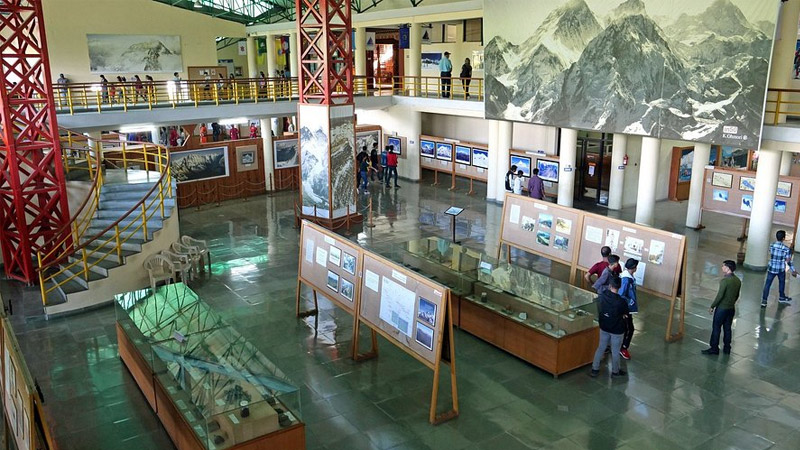
This section highlights both Himalayan peaks and famous mountains from around the world. Visitors can explore detailed miniatures, topographic maps, and scale models that bring these majestic landscapes to life. It’s a perfect starting point for understanding the grandeur of global mountains in one place.
Culture and Ethnography Section
The museum also celebrates the rich cultural heritage of mountain communities. Here, you’ll find exhibits on local ethnic groups, their traditional clothes, tools, and everyday lifestyle. This section gives insight into how people have adapted to life in high-altitude environments for centuries.
Mountaineering and Adventure Section
Adventure enthusiasts will enjoy the exhibits dedicated to legendary climbers and historic expeditions. From the first ascents of Everest to lesser-known Himalayan peaks, the displays feature mountaineering gear, photographs, and inspiring stories of human endurance and exploration.
Flora, Fauna, and Ecology Section
Learn about the unique wildlife and plant life of the Himalayas in this section. The museum showcases rare Himalayan species, ecological conservation efforts, and the importance of preserving mountain ecosystems. It’s both educational and a reminder of nature’s fragility.
Interactive Displays and Photography Opportunities
The museum offers interactive displays that make your visit engaging and fun. There are photo spots, hands-on exhibits, and activities designed for families and children, making it a great experience for visitors of all ages. Don’t forget your camera—many areas provide stunning views of mountains and Pokhara Valley.
Visitor Experience Tips
How Much Time to Allocate
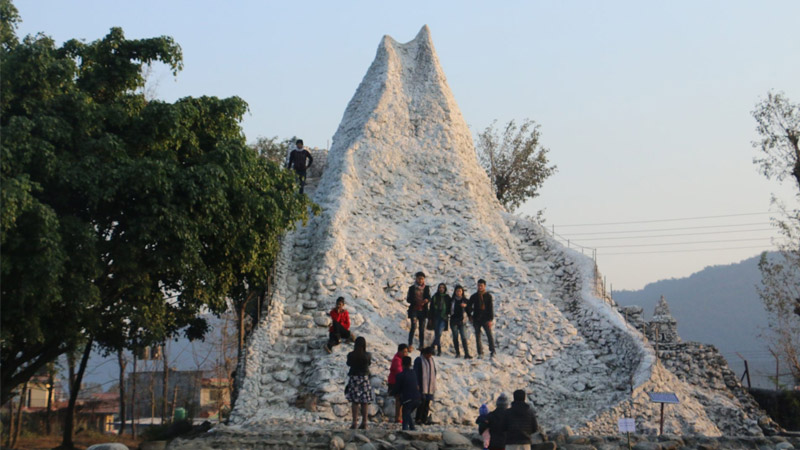
A visit to the International Mountain Museum can easily take 1.5 to 2 hours if you want to fully enjoy all the exhibits at a relaxed pace. This allows enough time to explore the mountains of the world, cultural displays, mountaineering history, and the flora and fauna sections without feeling rushed.
For photography enthusiasts, visiting in the morning is ideal, as the natural light enhances the intricate displays and the scenic views of the Pokhara Valley visible from the museum. Taking your time to read the informative placards and observe the detailed miniatures will make your experience far more enriching.
Guided Tours vs Self-Guided Visits
Whether you choose a guided tour or a self-guided visit, the museum offers a rewarding experience. Guided tours provide in-depth insights into Himalayan culture, mountaineering history, and the stories behind the exhibits, making them perfect for travelers seeking a deeper understanding.
Self-guided visits allow you to explore at your own pace, focus on your favorite sections, and spend extra time capturing photographs or engaging with interactive displays. Both options are excellent, depending on your preferences and travel style.
Nearby Attractions to Combine
The museum’s location also makes it easy to combine with other top attractions in Pokhara. Many visitors pair their visit with the nearby World Peace Pagoda, enjoying both the serene atmosphere and panoramic mountain views.
A trip to Phewa Lake is also convenient, offering boating opportunities and picturesque lakeside walks. Additionally, several viewpoints around Pokhara provide stunning perspectives of the surrounding mountains, making it possible to plan a half-day or full-day sightseeing itinerary that includes the museum and other iconic spots in the city.
Accessibility and Amenities

Facilities Available
The International Mountain Museum is designed to make every visitor’s experience comfortable and convenient. There is ample parking space for private vehicles, making it easy for those traveling by car or taxi. Inside the museum, restrooms are clean and well-maintained, ensuring a hassle-free visit for families and solo travelers alike.
For those interested in souvenirs or refreshments, the museum has a small gift shop and a café, where visitors can purchase memorabilia or enjoy a light snack while taking in the surrounding mountain views. The museum also emphasizes inclusivity, with wheelchair accessibility available in key areas, allowing visitors with mobility challenges to explore the exhibits comfortably.
Safety and Visitor Guidelines
Visitor safety is a priority at IMM. The museum provides clear guidelines for all guests, ensuring a secure and enjoyable experience. Handrails and designated pathways help maintain order, and visitors are encouraged to respect the exhibits and avoid touching fragile displays.
While COVID-19 regulations may change, the museum generally follows standard hygiene and safety protocols, such as sanitizing public areas and encouraging mask use where necessary. Guests are advised to follow posted dos and don’ts, including not smoking, maintaining cleanliness, and supervising children closely, to ensure a smooth visit for everyone.
Experience the perfect blend of culture, history, and adventure on this Kathmandu to Pokhara tour, featuring a visit to the International Mountain Museum. Immerse yourself in Nepal’s heritage and breathtaking landscapes.
Reserve Your Cultural Tour Today
Best Time to Visit and Travel Tips
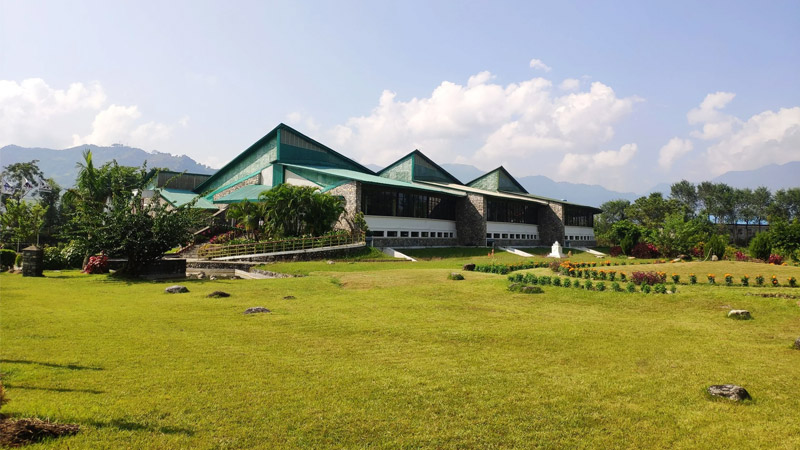
Visiting the International Mountain Museum is most rewarding during the autumn months (September to November) and spring months (March to May). During these periods, the weather is generally clear, offering breathtaking views of the Himalayas from the museum and nearby vantage points. These months also provide comfortable temperatures for exploring both the museum and the surrounding Pokhara attractions.
Weather can be unpredictable in the mountains, so it’s advisable to check local forecasts before your visit. Rainy seasons may limit visibility, while the winter months can be chilly, although the museum itself remains open and accessible. Light, layered clothing and comfortable walking shoes are recommended for a pleasant experience.
For photographers, early mornings offer the best lighting for capturing both exhibits and panoramic mountain views. Families visiting with children will find the museum educational and engaging, thanks to interactive displays and hands-on activities. Planning your visit around off-peak hours can also help avoid crowds, making it easier to explore at a relaxed pace.
How to Reach International Mountain Museum
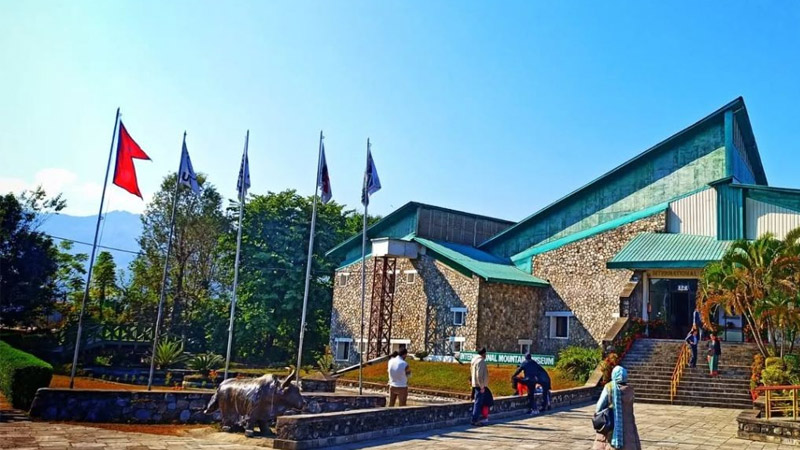
The International Mountain Museum is located north of Pokhara, near the World Peace Pagoda, making it easily accessible from various parts of the city. From Pokhara city center, it takes approximately 20–30 minutes by taxi or private vehicle. Many visitors also opt for ride-sharing services or hire a local jeep for a scenic drive to the museum, enjoying the lush landscapes along the way.
For those arriving via Pokhara Airport or bus stations, taxis and local transport options are readily available. Visitors coming from nearby areas often choose shared jeeps or local buses heading toward Sarangkot or the World Peace Pagoda, which stop conveniently close to the museum entrance.
Tourists who prefer a more organized experience can join Pokhara city sightseeing tours that include the International Mountain Museum in their itinerary. This is especially convenient for travelers who want a guided experience while also visiting nearby attractions such as Phewa Lake or the World Peace Pagoda.
Nearby Hotels and Accommodation Options

Pokhara offers a wide range of accommodation options near the International Mountain Museum, catering to all budgets and preferences. For budget travelers, there are guesthouses and hostels within a short distance of the museum, providing clean and comfortable stays without straining your wallet.
Mid-range hotels offer more amenities, including Wi-Fi, on-site dining, and scenic views of the Pokhara Valley. These are ideal for families or travelers who want a balance of comfort and affordability. For those seeking luxury stays, several resorts and boutique hotels provide panoramic mountain views, high-end facilities, and easy access to nearby attractions like Phewa Lake, World Peace Pagoda, and Sarangkot viewpoints.
Staying near the museum allows travelers to plan their Pokhara sightseeing efficiently, making it easy to combine a museum visit with other top attractions in a single day. Many hotels also offer tour booking services, helping guests arrange guided visits, transport, and adventure activities around Pokhara.
Conclusion
Why You Should Visit the International Mountain Museum
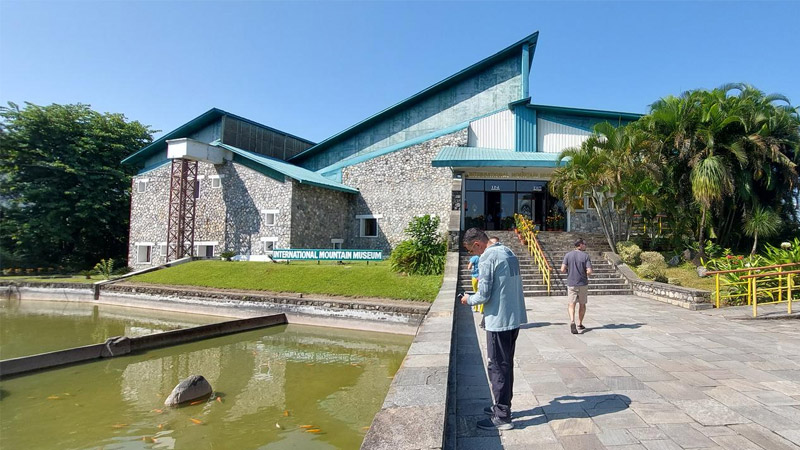
The International Mountain Museum in Pokhara is more than just a museum, it’s a gateway to the Himalayas, offering a unique blend of culture, history, and adventure. Visitors can explore detailed exhibits on mountains around the world, mountaineering achievements, and the lives of mountain communities, making it an educational and inspiring experience.
Whether you are traveling solo, with family, or as part of a guided tour, IMM provides memorable experiences that leave a lasting impression. The combination of interactive displays, panoramic views, and fascinating stories ensures that every visitor gains a deeper appreciation for the Himalayan region and its people.
Final Tips for a Great Visit
To make the most of your visit, plan for 1.5–2 hours, and consider arriving early to avoid crowds and enjoy the best lighting for photography. Comfortable walking shoes and layered clothing are recommended, as the museum covers multiple sections and scenic outdoor areas. Combining your visit with nearby attractions like Phewa Lake or World Peace Pagoda can make for a full, enriching day in Pokhara.
Following basic visitor guidelines, such as respecting exhibits, supervising children, and following any current health protocols, will ensure a smooth and enjoyable experience. With careful planning, a trip to the International Mountain Museum is an unforgettable highlight of any Pokhara itinerary.
Kathmandu and Pokhara Luxury Tour
Indulge in comfort and sightseeing with this luxury tour of Kathmandu and Pokhara, including the International Mountain Museum. Enjoy premium accommodations, guided experiences, and unforgettable Himalayan views.
Book Your Luxury Tour Now