
Introduction
Kathmandu, the capital city of Nepal, is a fascinating destination where ancient traditions blend seamlessly with modern life. Located in the heart of the Kathmandu Valley, the city is home to centuries-old temples, royal palaces, vibrant markets, and sacred Buddhist stupas. Whether you are visiting Nepal for culture, spirituality, or sightseeing, Kathmandu offers an unforgettable travel experience.
Why Kathmandu Is a Must-Visit Destination in Nepal
The Kathmandu Valley is a cultural and historical treasure, recognized globally for its UNESCO World Heritage Sites. The city showcases a unique mix of Hindu and Buddhist traditions that have coexisted for centuries. From sacred temples like Pashupatinath and Swayambhunath to historic palace squares in Kathmandu, Patan, and Bhaktapur, every corner of the valley tells a story of Nepal’s rich past.
Beyond its heritage sites, Kathmandu also offers scenic viewpoints and peaceful escapes. Places like Nagarkot and Chandragiri Hills provide stunning views of the Himalayas, while areas such as Thamel and Asan reflect the lively rhythm of local life. Quiet retreats like Kopan Monastery and the Garden of Dreams offer moments of calm amid the busy city.
In this guide, you will discover the best places to visit in Kathmandu, including iconic temples, heritage sites, cultural landmarks, viewpoints, and day-trip destinations. This blog is designed to help you plan your sightseeing efficiently and make the most of your time in the Kathmandu Valley.
Best Places to Visit in Kathmandu
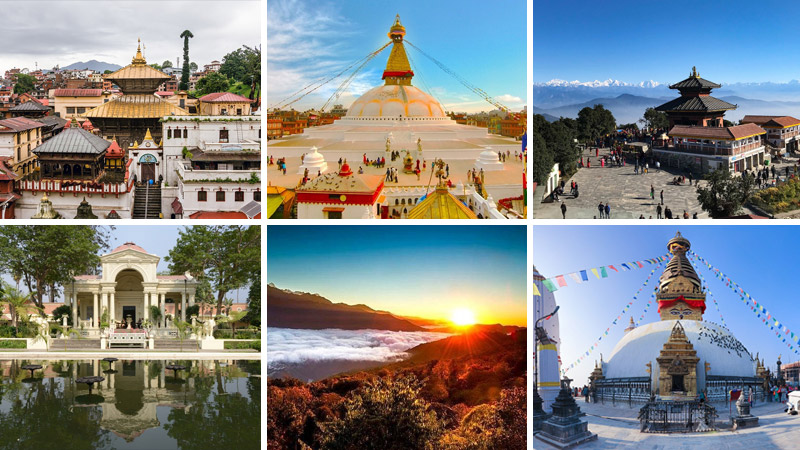
Kathmandu is filled with sacred landmarks and historic sites that reflect Nepal’s deep-rooted spiritual and cultural heritage. From ancient Hindu temples to hilltop Buddhist stupas, these attractions form the heart of the Kathmandu Valley sightseeing experience.
Pashupatinath Temple
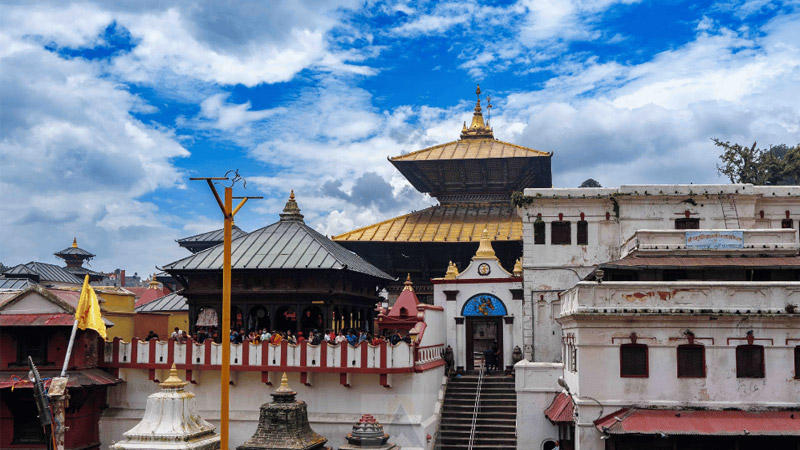
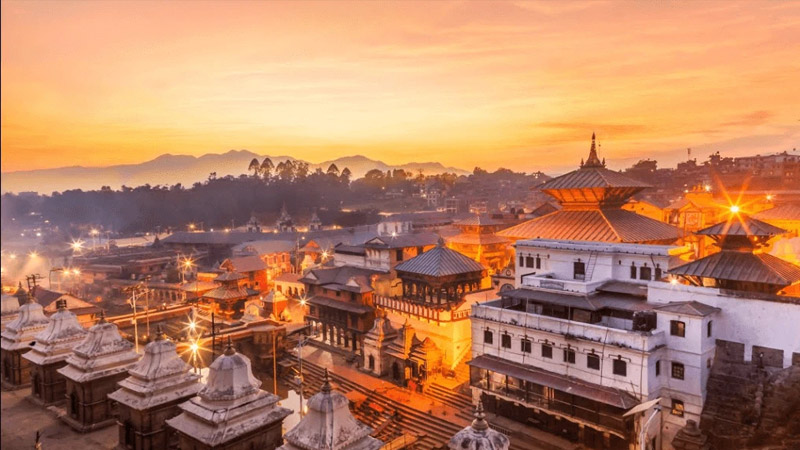
Pashupatinath Temple is the most sacred Hindu temple in Nepal and one of the most important Shiva temples in the world. Located on the banks of the Bagmati River, this UNESCO World Heritage Site attracts thousands of pilgrims and visitors every day.
Religious Significance and History
Dedicated to Lord Shiva, Pashupatinath has been a major pilgrimage site for centuries. The temple complex dates back to the Licchavi period and has played a central role in Hindu rituals and festivals such as Maha Shivaratri. While non-Hindus are not allowed inside the main temple, the surrounding area offers deep insight into Nepal’s spiritual traditions.
What to See Around the Bagmati River
The Bagmati River flowing beside the temple is considered sacred. Visitors can observe traditional Hindu cremation ceremonies at Aryaghat, along with smaller shrines, ashrams, and holy sadhus around the complex. The evening aarti ritual is especially moving and offers a powerful cultural experience.
Visiting Tips and Dress Code
Dress modestly when visiting Pashupatinath Temple, covering shoulders and knees. Early morning or evening is the best time to visit for rituals and fewer crowds. Photography is allowed in most outdoor areas, but visitors should be respectful during ceremonies.
Swayambhunath Stupa (Monkey Temple)
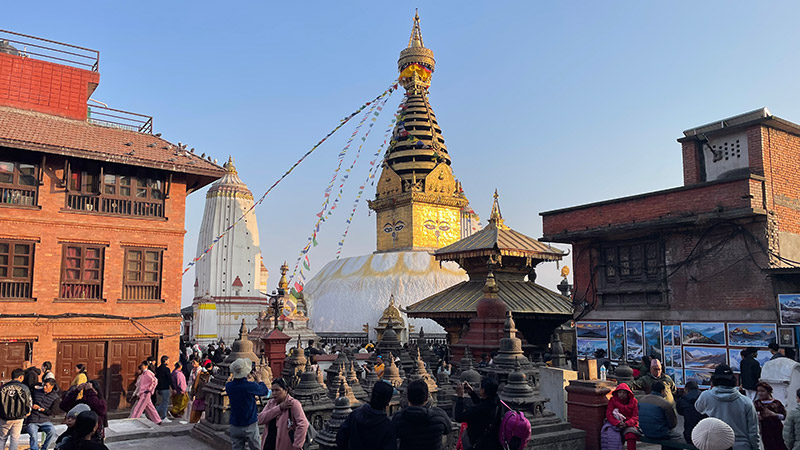
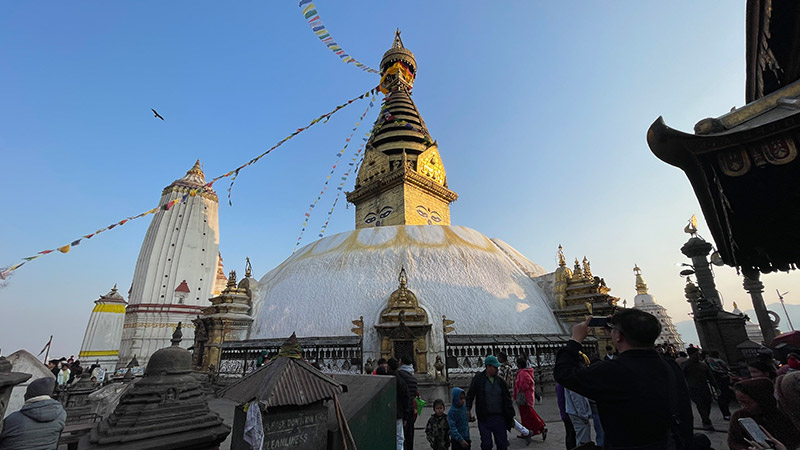
Swayambhunath Stupa, commonly known as the Monkey Temple, is one of the oldest and most iconic religious sites in Kathmandu. Perched on a hilltop, it offers a blend of Buddhist symbolism, Hindu shrines, and panoramic city views.
Cultural and Spiritual Importance
Swayambhunath is a sacred site for both Buddhists and Hindus. The stupa is believed to have formed naturally from a lotus flower that once bloomed in the ancient Kathmandu Valley lake. Colorful prayer flags, spinning prayer wheels, and the all-seeing eyes of Buddha create a deeply spiritual atmosphere.
Panoramic Views of Kathmandu Valley
After climbing the stone steps to the top, visitors are rewarded with sweeping views of Kathmandu Valley. On clear days, you can see rooftops, hills, and distant mountains, making it one of the best viewpoints in the city.
Best Time to Visit
Early morning is the best time to visit Swayambhunath Stupa, when the site is peaceful and ideal for photography. Sunset is also popular for views, but it can be crowded. Be mindful of monkeys around the complex and keep your belongings secure.
Full-Day Kathmandu Sightseeing Tour
Experience Kathmandu’s top temples, Durbar Squares, and cultural landmarks in just one day. Book your full-day tour now!
Boudhanath Stupa

Boudhanath Stupa is one of the largest Buddhist stupas in the world and a major spiritual center in Kathmandu. This UNESCO World Heritage Site is especially important to Tibetan Buddhists and offers a peaceful contrast to the busy streets of the city.
UNESCO World Heritage Site Overview
Boudhanath Stupa is recognized for its massive mandala design and timeless spiritual importance. The stupa’s white dome symbolizes the earth, while the golden spire represents enlightenment. The iconic eyes of Buddha painted on all four sides watch over the Kathmandu Valley, making Boudha one of the most photographed landmarks in Nepal.
Tibetan Buddhist Culture and Prayer Rituals
The area around Boudhanath is home to many Tibetan monasteries and communities. Visitors can observe monks and pilgrims walking clockwise around the stupa while spinning prayer wheels and chanting mantras. Morning and evening are ideal times to experience traditional prayer rituals and soak in the calm spiritual atmosphere.
Things to Do Around Boudha
Walk the kora around the stupa, visit nearby monasteries, and enjoy rooftop cafes offering direct views of the stupa. The Boudha area is also a great place to try Tibetan cuisine, including momos and butter tea, and shop for traditional handicrafts.
Kathmandu Durbar Square
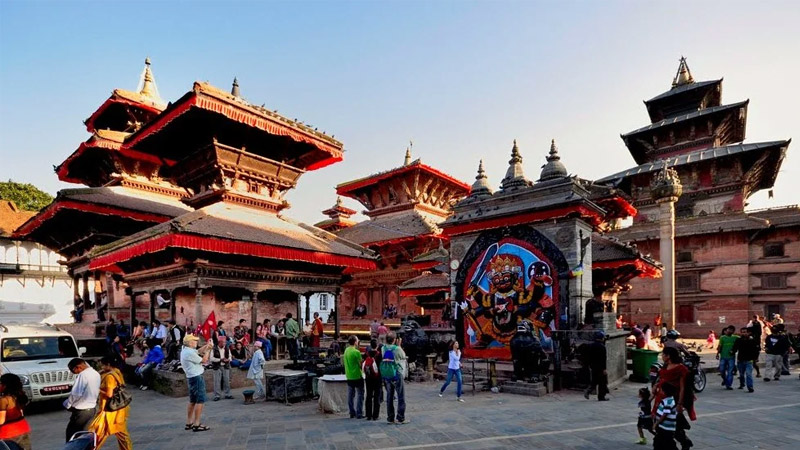
Kathmandu Durbar Square is a historic royal complex that reflects the grandeur of Nepal’s medieval architecture. Located in the heart of the old city, this UNESCO World Heritage Site was once the seat of the Malla and Shah kings.
Ancient Royal Palaces and Temples
The square features intricately carved wooden palaces, courtyards, and temples that date back several centuries. The former royal palace, Hanuman Dhoka, stands as a symbol of Kathmandu’s royal history and traditional Newari craftsmanship.
Key Attractions Within the Square
Major highlights include the Taleju Temple, Kumari Ghar, home of the living goddess, and numerous pagoda-style temples dedicated to Hindu deities. Every structure within the square showcases detailed wood and stone carvings unique to Kathmandu.
Entry Fee and Visitor Tips
Foreign visitors are required to pay an entry fee to explore Kathmandu Durbar Square. It is best to visit early in the morning or late afternoon to avoid crowds. Hiring a local guide can greatly enhance your understanding of the history and cultural significance of the site.
2-Days Kathmandu Valley Sightseeing Tour
Explore the best of Kathmandu Valley over two days, including Patan, Bhaktapur, and scenic viewpoints. Reserve your spot today!
Patan Durbar Square
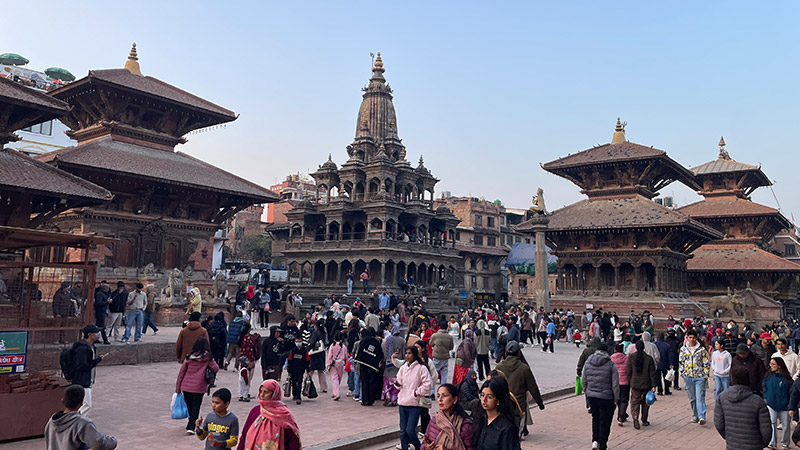
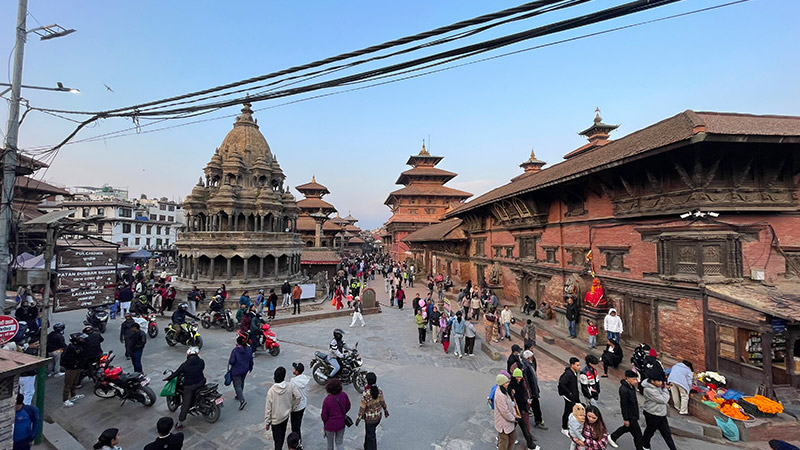
Patan Durbar Square, located in Lalitpur, is one of the finest examples of traditional Newari art and architecture in Nepal. This UNESCO World Heritage Site is often considered the cultural heart of the Kathmandu Valley.
Newari Architecture and Craftsmanship
The square is renowned for its beautifully carved temples, stone sculptures, and ancient courtyards. Every structure reflects the exceptional craftsmanship of the Newar community, known for their skills in metalwork, wood carving, and stone art.
Highlights Like Krishna Mandir and Museums
Krishna Mandir, built entirely of stone, is the most iconic monument in Patan Durbar Square. Other highlights include the Patan Museum, housed within the former royal palace, which offers deep insights into Nepalese history, art, and religion. Numerous smaller temples and galleries add to the square’s artistic appeal.
Why Patan Is a Cultural Gem
Patan stands out for its well-preserved heritage and slower pace compared to central Kathmandu. The city blends living traditions with historic architecture, making it an ideal place to experience authentic Newari culture, festivals, and daily life.
Bhaktapur Durbar Square
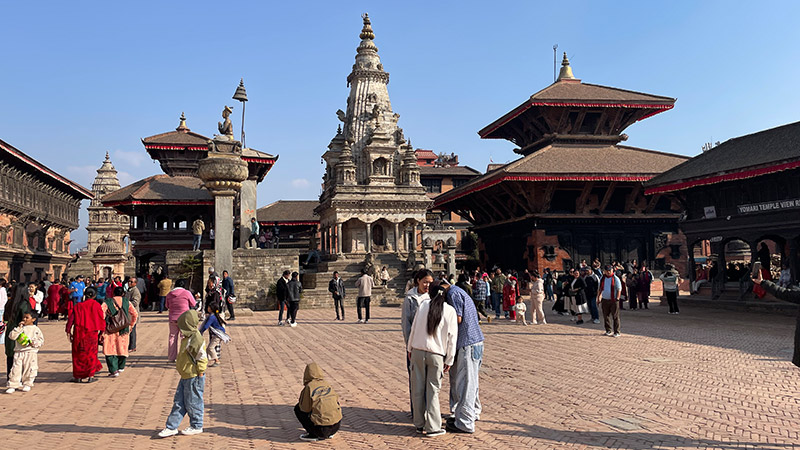
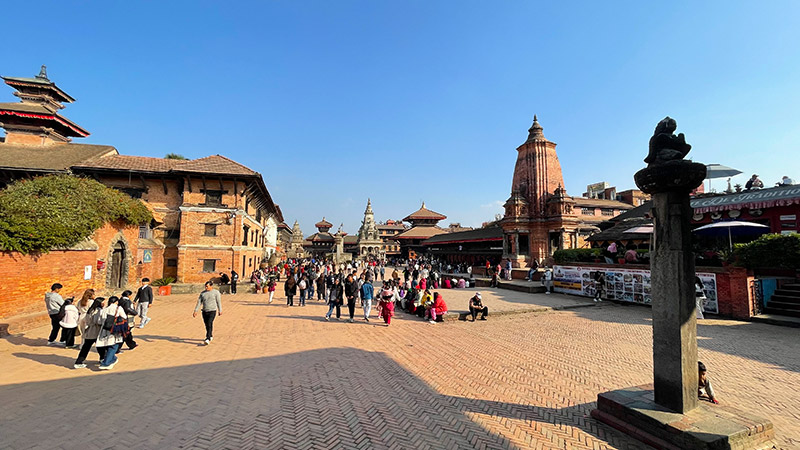
Bhaktapur Durbar Square feels like stepping back in time. Known for its preserved medieval charm, this UNESCO World Heritage Site showcases the best of traditional architecture and local culture.
Medieval City Atmosphere
Bhaktapur is famous for its narrow brick streets, ancient houses, and vibrant local traditions. The city has retained its historic character, with fewer vehicles and a strong focus on cultural preservation, making it one of the most atmospheric places to visit near Kathmandu.
Nyatapola Temple and Pottery Square
Nyatapola Temple, the tallest pagoda-style temple in Nepal, is the most striking landmark in Bhaktapur. Nearby Pottery Square offers a glimpse into traditional pottery-making, where artisans continue age-old techniques passed down through generations.
Best Time to Visit Bhaktapur
The best time to visit Bhaktapur is during the morning or late afternoon, when the light enhances the architecture and crowds are smaller. Spring and autumn provide the most pleasant weather for exploring the city on foot.
Scenic Viewpoints and Day Trips Near Kathmandu
Beyond temples and heritage sites, Kathmandu also offers easy access to scenic hill stations and viewpoints. These destinations are perfect for day trips and provide breathtaking views of the Kathmandu Valley and the Himalayan ranges.
Nagarkot Sunrise View with Bhaktapur Day Tour
Catch the breathtaking Himalayan sunrise at Nagarkot and visit historic Bhaktapur in one amazing day. Book your tour now!
Nagarkot

Nagarkot is one of the most popular hill stations near Kathmandu, best known for its stunning sunrise views and panoramic Himalayan scenery. It is an ideal escape from the city’s hustle and bustle.
Famous Sunrise and Himalayan Views
Nagarkot offers some of the best sunrise views in Nepal, with clear mornings revealing peaks such as Langtang, Ganesh Himal, and even Mount Everest on exceptionally clear days. The changing colors of the sky over the mountains make it a favorite spot for photographers and nature lovers.
Best Season for Mountain Scenery
The best seasons to visit Nagarkot are spring (March to May) and autumn (September to November), when skies are clear and mountain visibility is at its best. Winter can also offer clear views, though mornings are colder.
How to Reach from Kathmandu
Nagarkot is located about 32 kilometers east of Kathmandu and can be reached by private vehicle or taxi in around one to two hours, depending on traffic. Many travelers visit Nagarkot as a half-day or full-day trip from Kathmandu.
Chandragiri Hills

Chandragiri Hills is a scenic viewpoint located on the southwestern edge of Kathmandu Valley. It combines natural beauty with cultural significance and modern facilities.
Cable Car Experience
The Chandragiri cable car offers a smooth and enjoyable ride to the hilltop, providing panoramic views of the valley below. The ride itself is a highlight and makes Chandragiri easily accessible for visitors of all ages.
Bhaleshwor Mahadev Temple
At the top of Chandragiri Hills lies the Bhaleshwor Mahadev Temple, an important Hindu shrine dedicated to Lord Shiva. The temple holds religious significance and adds a spiritual dimension to the visit.
Valley and Himalayan Viewpoints
From the hilltop, visitors can enjoy sweeping views of Kathmandu Valley and, on clear days, a wide stretch of the Himalayan range. Sunrise and sunset are particularly beautiful times to visit Chandragiri Hills.
Chandragiri Hill and Swayambhunath Day Tour
Combine panoramic views from Chandragiri Hills with the spiritual experience of Swayambhunath Stupa. Join the tour today!
Cultural, Relaxation, and Local Experience Spots
Kathmandu is not only about temples and viewpoints. The city also offers lively tourist districts and peaceful green spaces where visitors can experience local culture, food, and relaxation.
Thamel
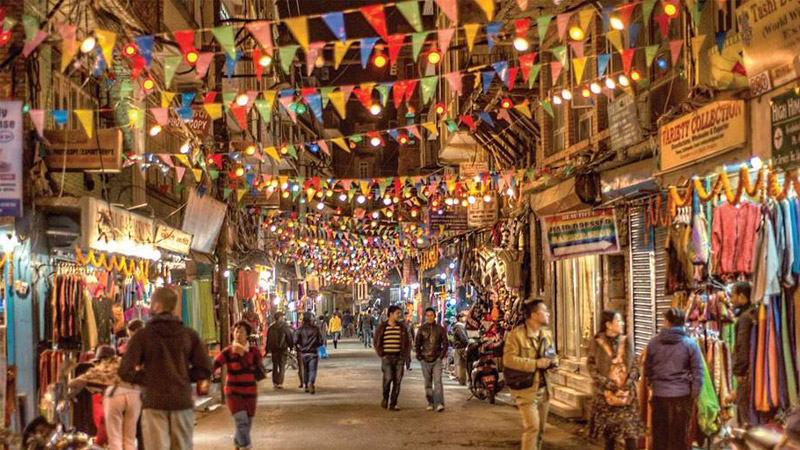
Thamel is the most popular tourist area in Kathmandu and serves as a central hub for travelers. It is known for its vibrant streets, colorful shops, and wide range of dining options.
Shopping, Dining, and Nightlife
Thamel is packed with souvenir shops, trekking gear stores, handicraft boutiques, and bookstores. The area also offers restaurants serving Nepali, Indian, Tibetan, and international cuisine. In the evening, Thamel comes alive with bars, live music venues, and cafes.
Why Thamel Is Popular with Tourists
Thamel is favored by tourists because of its convenient location, wide choice of hotels, and easy access to travel services. Many tour operators, money exchange centers, and transportation options are based here, making it a practical base for exploring Kathmandu.
Safety and Travel Tips
Thamel is generally safe, but visitors should remain aware of their belongings, especially in crowded areas. Walking is the best way to explore the neighborhood, and it is advisable to use licensed taxis for late-night travel.
Garden of Dreams
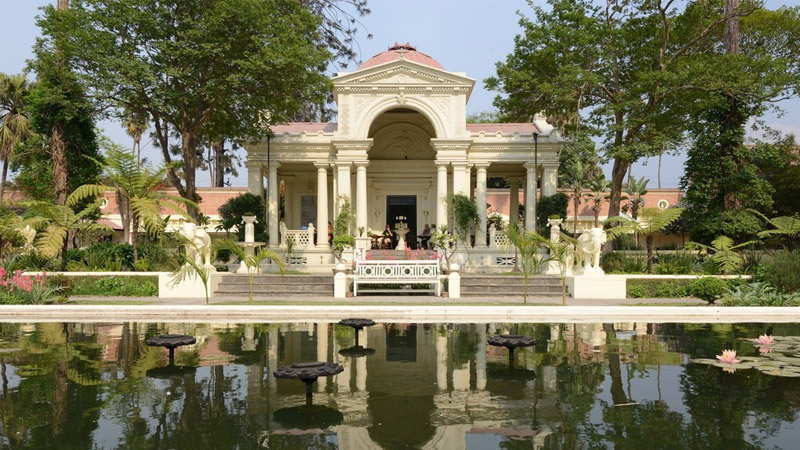
The Garden of Dreams is a peaceful oasis located near Thamel, offering a quiet escape from the city’s busy streets. It is one of the best places to relax in Kathmandu.
Historical Background of the Garden
Originally built in the early 20th century, the Garden of Dreams features European-style design with fountains, pavilions, and landscaped greenery. It has been carefully restored and is now a popular cultural and recreational spot.
Best Place to Relax in the City
With its calm environment, shaded seating areas, and beautiful landscaping, the Garden of Dreams is ideal for reading, relaxing, or enjoying a coffee. It is especially pleasant during the afternoon or early evening.
Entry Details and Visiting Hours
The garden requires an entry fee and has fixed visiting hours, which may vary by season. It is best to check the current timings before visiting, especially during holidays.
5-Days Kathmandu Cultural Tour Package
Dive deep into Kathmandu’s culture, heritage, and local life with this 5-day immersive tour. Secure your cultural adventure now!
Budhanilkantha (Sleeping Vishnu)
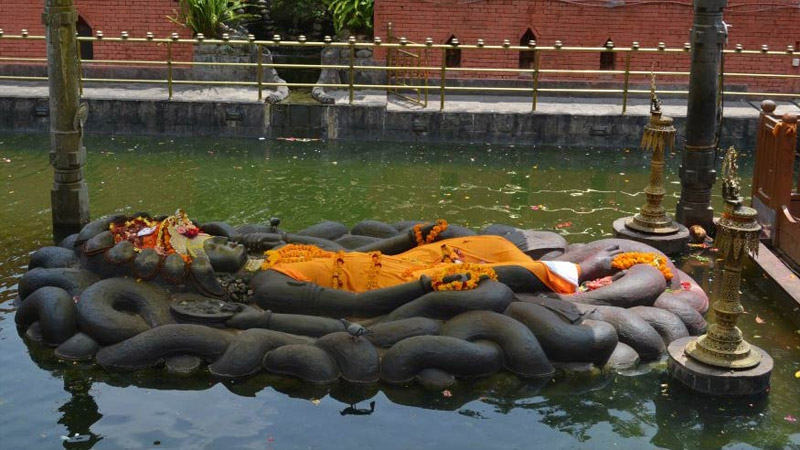
Budhanilkantha is a sacred Hindu site located at the foot of Shivapuri Hills. It is famous for its massive reclining statue of Lord Vishnu, carved from a single black stone.
Religious Significance of the Statue
The statue depicts Lord Vishnu lying on the cosmic serpent Ananta, floating on a pool of water. It is believed to date back to the 17th century and holds great spiritual importance for Hindu devotees. Many pilgrims visit during religious festivals to offer prayers.
Location and Surroundings
Budhanilkantha is located about 9 kilometers north of Kathmandu city. The serene garden and pond surrounding the statue create a peaceful atmosphere, making it ideal for reflection and photography. Local shops sell offerings and souvenirs near the entrance.
Best Time to Visit
The best time to visit Budhanilkantha is early in the morning, when the site is calm and less crowded. Autumn and spring offer pleasant weather and clear skies, making it perfect for sightseeing.
Kopan Monastery
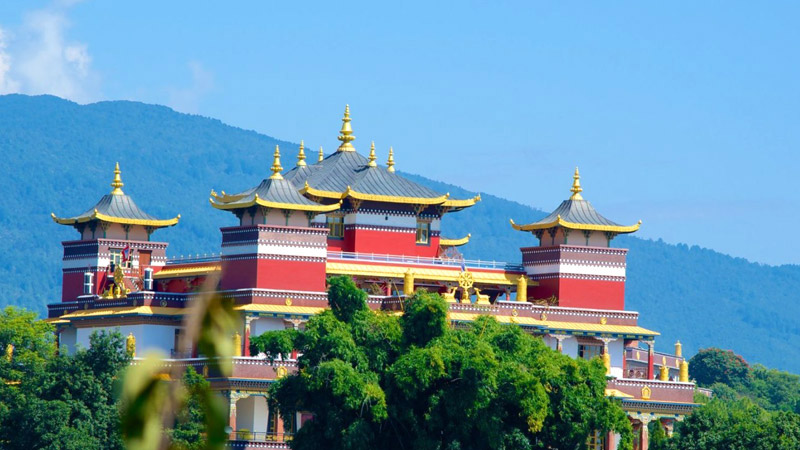
Kopan Monastery is a Tibetan Buddhist monastery located on a hill overlooking Kathmandu Valley. It is renowned for meditation courses, spiritual retreats, and scenic surroundings.
Tibetan Buddhist Teachings and Meditation
Kopan Monastery offers teachings in Tibetan Buddhism and meditation programs for both beginners and advanced practitioners. Visitors can join short courses or observe monks during daily rituals and prayer sessions.
Peaceful Environment and Views
The monastery’s hilltop location provides panoramic views of Kathmandu Valley and the surrounding hills. Its tranquil environment makes it a perfect escape from the city’s hustle, allowing visitors to relax and reflect.
Visitor Guidelines
Visitors are welcome to explore the monastery grounds, but respectful behavior is required. Modest clothing is recommended, and photography should be limited to permitted areas. Check in advance for guided tours or meditation schedules if you wish to participate.
Narayanhiti Palace Museum
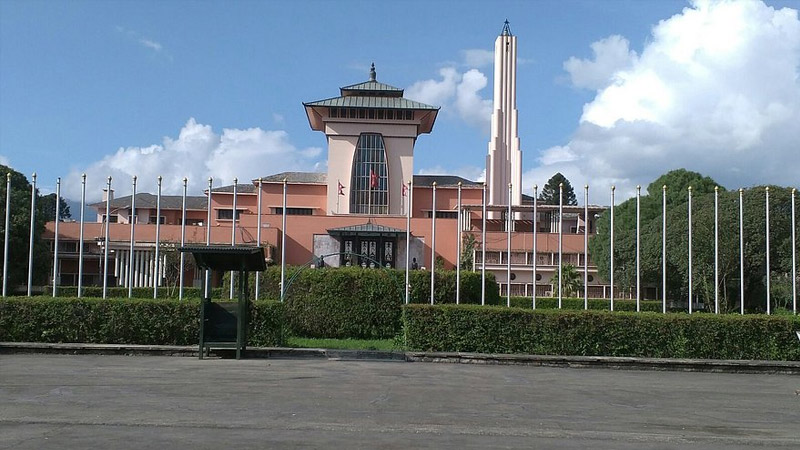
The Narayanhiti Palace Museum is the former royal palace of Nepal, now converted into a museum that showcases the history and lifestyle of the country’s monarchy. It is located in the heart of Kathmandu and is a must-visit for history enthusiasts.
History of Nepal’s Royal Family
Built in the 1960s, the palace served as the residence of Nepalese kings until the monarchy was abolished in 2008. The museum preserves the royal legacy, displaying artifacts, personal belongings, and historical documents related to Nepal’s monarchy.
Museum Highlights
Visitors can explore the grand throne room, royal bedrooms, dining halls, and art collections. The museum provides a fascinating glimpse into the ceremonial and everyday life of Nepalese royalty, as well as important political events in the country’s history.
Entry Rules and Photography Tips
Tickets are required for entry, and visitors are expected to follow museum guidelines. Photography is allowed in designated areas, but flash photography may be restricted. Guided tours are available and recommended for a more detailed understanding of the palace’s history.
7-Kathmandu UNESCO World Heritage Sites Tour
Discover all 7 UNESCO World Heritage Sites in Kathmandu with a guided tour. Explore history and architecture like never before. Book today!
Best Time to Visit Kathmandu

Kathmandu’s climate varies throughout the year, so planning your trip according to the seasons can make a big difference in your experience.
Seasonal Weather and Travel Tips
Spring (March to May) and Autumn (September to November):
These are the peak tourist seasons with clear skies, moderate temperatures, and ideal conditions for sightseeing, trekking, and photography. The weather is pleasant, and festivals like Dashain and Tihar make these months culturally vibrant.
Monsoon (June to August):
Heavy rainfall can make sightseeing challenging, but the valley becomes lush and green. Roads may be slippery, so plan extra travel time and consider indoor attractions like museums or temples.
Winter (December to February):
Temperatures are cooler, especially in the mornings and evenings. While skies are generally clear, mornings can be foggy. This season is good for sightseeing without crowds, though you may need warm clothing for hilltop visits like Nagarkot and Chandragiri Hills.
Tips for Visiting Kathmandu
Kathmandu is a city rich in culture, history, and spirituality. Following a few simple tips can help you make the most of your visit while respecting local customs and ensuring a smooth travel experience.
Cultural Etiquette and Dress Code
Nepal is a culturally conservative country, and respecting local customs is important. When visiting temples, stupas, or religious sites:
-
Dress modestly, covering shoulders and knees.
-
Remove shoes before entering temples or stupas.
-
Avoid touching religious artifacts or statues.
-
Always ask permission before photographing people, especially monks or sadhus.
Being polite and respectful will enhance your experience and help you connect with the local culture.
Transportation and Getting Around
Kathmandu has several options for transportation, but traffic can be busy:
-
Taxis and Ride-Sharing Apps: Convenient for short trips within the city.
-
Private Cars or Tour Vehicles: Ideal for day trips to Nagarkot, Chandragiri, or Patan/Bhaktapur.
-
Walking: Many heritage areas like Thamel, Durbar Squares, and nearby markets are best explored on foot.
Plan extra travel time during peak hours, and always agree on taxi fares in advance if the meter is not used.
Entry Fees and Timings
Most heritage sites in Kathmandu, including Durbar Squares, Pashupatinath, and Boudhanath, require an entry fee for foreign tourists.
-
Check official websites or local guides for current fees.
-
Arrive early in the morning to avoid crowds, especially at popular temples and squares.
-
Some sites may close during national holidays or for special religious ceremonies, so plan accordingly.
How to Plan Your Kathmandu Sightseeing Tour

Planning your sightseeing in Kathmandu can make a big difference in how much you enjoy the city. Depending on your schedule, you can choose a short one-day tour or spend two days exploring at a relaxed pace.
1-Day vs 2-Day Kathmandu Itinerary
1-Day Itinerary:
If you have limited time, focus on the top highlights of Kathmandu:
-
Morning: Visit Pashupatinath Temple and Boudhanath Stupa.
-
Afternoon: Explore Kathmandu Durbar Square and Thamel for shopping and dining.
-
Evening: Optional visit to Garden of Dreams for relaxation or enjoy sunset views from a nearby viewpoint.
2-Day Itinerary:
For a more comprehensive experience:
-
Day 1: Pashupatinath Temple, Boudhanath Stupa, Swayambhunath Stupa, and Thamel.
-
Day 2: Patan Durbar Square, Bhaktapur Durbar Square, Budhanilkantha, Nagarkot or Chandragiri Hills for scenic views.
A 2-day itinerary allows more time to appreciate heritage sites, enjoy local food, and explore less crowded attractions.
Guided Tours vs Self-Exploration
Guided Tours:
-
Offer historical and cultural insights from knowledgeable guides.
-
Convenient for navigating traffic, entry fees, and local transport.
-
Recommended if it’s your first visit or if you want a hassle-free experience.
Self-Exploration:
-
Gives flexibility to set your own pace.
-
Ideal for travelers who enjoy wandering, taking photos, or focusing on specific attractions.
-
Requires careful planning of routes, transport, and opening hours.
Combining both approaches is also an option: join a guided tour for the major heritage sites and explore smaller areas or markets on your own.
Conclusion
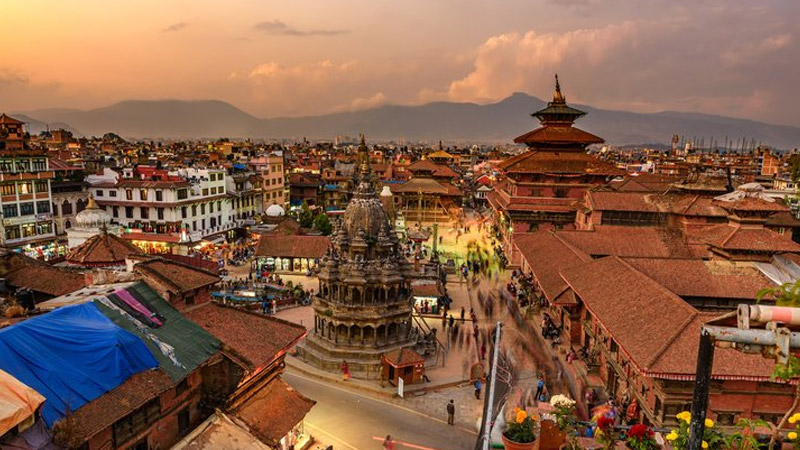
Kathmandu is a city that perfectly blends history, spirituality, and natural beauty. From ancient temples to UNESCO heritage sites and scenic viewpoints, it offers travelers an unforgettable cultural experience in the heart of Nepal.
Why Kathmandu Should Be on Every Traveler’s Nepal Itinerary
Kathmandu is more than just Nepal’s capital, it is a living museum of temples, palaces, and stupas. Visitors can explore sacred sites like Pashupatinath Temple and Swayambhunath Stupa, experience rich Newari architecture in Patan and Bhaktapur Durbar Squares, and enjoy panoramic views from Nagarkot or Chandragiri Hills.
The city’s cultural richness, vibrant markets, and spiritual heritage make it a destination that appeals to first-time travelers, photographers, history buffs, and adventure seekers alike. Kathmandu’s combination of heritage and hospitality ensures a meaningful and memorable travel experience.
Final Travel Tips for a Memorable Kathmandu Visit
-
Plan Ahead: Prioritize the sites you want to visit and allocate enough time for each. Consider a 1-day or 2-day itinerary based on your schedule.
-
Respect Local Culture: Dress modestly at religious sites, remove shoes when required, and follow local customs to show respect.
-
Make the Most of Your Time in the Valley: Combine heritage exploration with scenic viewpoints and local experiences like Thamel shopping or visiting the Garden of Dreams. Start early to avoid crowds and capture the best photography moments.
With careful planning and a sense of curiosity, Kathmandu promises an enriching and unforgettable journey for every traveler.
Kathmandu and Pokhara Luxury Tour
Experience the best of Nepal in style with a luxury tour covering Kathmandu and Pokhara. Book your premium adventure today!